
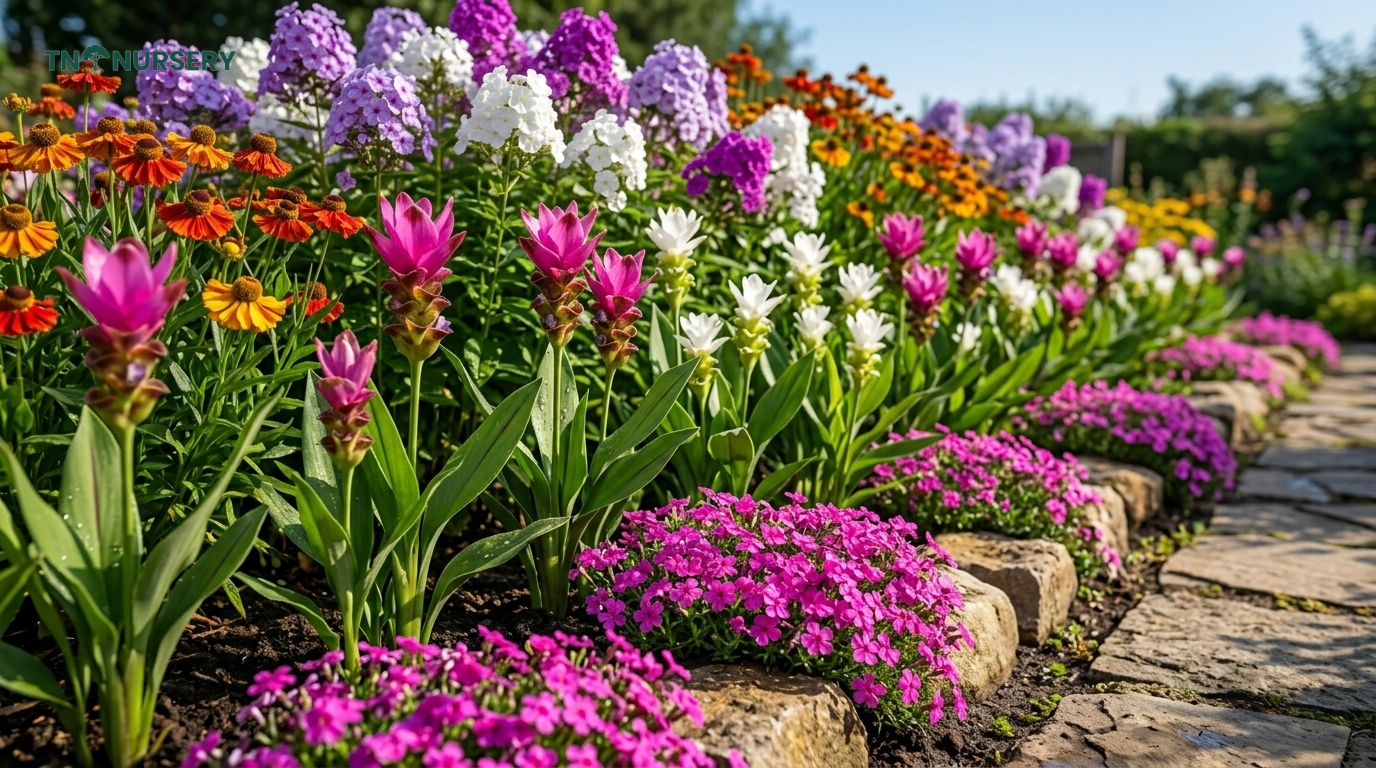
August Bundles for Full Sun Perennials That Keep Going
We built these late-summer bundle ideas for hot yards, dry spells, and reflective heat near patios and driveways. Find dependable color, deer resistant picks, and ground cover options here.
August bundles make sunny-yard planning much easier
- How to pick long-season bloomers for sunny beds and borders
- When to use low groundcover plants instead of upright flowering clumps
- How deer resistant perennials can reduce nibbling and cleanup
- Why zone compatibility matters more than bloom color for plant survival
How to Build an August-Ready Perennial Bed
August exposes weak plant choices fast. Full sun perennials do better when we match them to the heat, soil drainage, and the reflected warmth from patios, driveways, and foundation walls. That is why we sort live plants by growing conditions and zone, so you'll find choices that fit your yard instead of guessing.
How to choose the right full sun perennials?
Start with the site, not the color tag. Count the sun hours, check whether water runs off or sits after rain, and notice hot spots near stone or concrete. Plants that handle six or more hours of direct sun usually manage August better than shade growers pushed into bright beds.
Keep bloom timing in mind too. Perennials that bloom all summer help beds stay lively when spring flowers fade and lawns look tired. We also suggest mixing upright forms with mounded plants, so borders do not flatten into one line by late season.
Use color contrast that still looks calm
White perennial flowers cool down a hot border visually. Red perennial flowers do the opposite. They pull the eye forward and give the bed a stronger edge near walks, mailbox beds, and front entries. Put white near darker shrubs or fences, and use red in smaller groups so it does not overpower the space.
When August gets harsh, the yards that still look planted usually have the right sun match, layered bloom times, and less bare soil.
deer resistant perennials for exposed yards
If deer pass through often, choose plants with scent, texture, or tougher foliage. No plant is fully deer-proof when food is scarce. But deer resistant perennials usually hold up better in open front yards and rural edges than soft, tender growth.
full sun ground cover plants for problem spots
Ground-hugging plants earn their space. They shade soil, slow weed sprouting, and soften hard edges around walkways, slopes, and foundation plantings. For practical summer perennial garden ideas, use taller bloomers in back, mid-height clumps in the middle, and spreading plants at the front.
- Walkways: Use low growers to reduce splash and bare dirt.
- Slopes: Plant spreading roots to help hold soil in place.
- Mailbox beds: Keep height lower so sight lines stay open.
- Foundations: Leave airflow around the house and avoid crowding.
Look, late summer perennial planting can still work well if the soil stays moist while roots settle in. Browse our Sun Perennials, Long Blooming Perennials, and Perennials collections if you want to shop by sun needs and return year after year.
Our Top Pick for Full Sun Perennials and Big August Color

25 Flowering Plants Collection for Fast, Layered Summer Beds
If you want one order to fill a new bed or refresh a wide front border, this is the bundle we’d put to work first. Our 25 Flowering Plants Collection gives you 25 assorted best-selling plants with mixed bloom color, pollinator appeal, and deer resistant perennials value, so you can build a fuller planting without mapping every spot plant by plant.
- Includes 25 assorted best-selling flowering plants for filling larger beds and borders fast
- Mixed bloom color with pollinator-friendly varieties that attract hummingbirds, birds, and butterflies
- Grows in zones 4-9 and handles full sun and partial shade for flexible flower garden planting
Three Ways to Build with Deer Resistant Perennials
We grouped these bundles for the three August jobs we see most: filling a small bed, covering hot bare ground, and building a classic flower border. You can compare price, planting use, and visual effect fast, then pick the bundle that fits your yard.

The Starter Sun Mix
A 10-plant perennial bundle fits the post as an easy way to build a heat-ready sunny bed fast.

The Ground-Layer Base
Ground covers earn a place in this roundup by helping sunny yards look filled-in, cohesive, and lower-maintenance.

The Heritage Perennial Edit
This old-fashioned perennial collection adds timeless character to a full-sun yard while still fitting the bundle theme.
Frequently Asked Questions
Is August too late to plant full sun perennials?
No. August can still work well for full sun perennials, especially when you plant early in the day and water deeply right after planting. We suggest focusing on tough choices from our Sun Perennials and Fall Blooming Perennials collections, because they handle late summer heat better than tender starts. Keep in mind that hot soil dries fast, so new roots need closer attention for the first few weeks.
How often should I water new perennials in hot weather?
Water new plantings deeply, then check the soil every day during a hot spell. In August heat, many yards need water several times each week until roots spread into the surrounding soil. We tell customers to soak the root zone instead of sprinkling the surface. That helps far more in open beds and front yard landscaping ideas where sun reflects off stone, sidewalks, or driveways.
How should I use mulch to protect roots in summer?
Spread a 2 to 3 inch layer of mulch around the plant, but leave a small gap around the crown. That layer slows evaporation, cools the soil, and helps new perennials settle in during late summer perennial planting. But don't pile mulch against stems. Wet crowns can rot, especially in heavy soil.
Do perennials come back every year?
Yes, perennials return year after year when they match your zone and site conditions. We carry perennial plants for customers who want long-term backyard landscaping instead of replanting every spring. The tradeoff is simple. Some perennials spend their first season building roots, so the top growth may look modest before they really take off next year.
Are mums perennials?
Some mums are, and some are not dependable from one year to the next. If you want repeat color, shop our Fall Blooming Perennials collection instead of assuming every mum will overwinter well in your yard. That's the safer call. Site, drainage, and winter cold matter more than the label alone.
Are zinnias perennials?
No. Zinnias are usually grown as annual flowers, not perennials. If you want blooms that return, you'll find better long-term value in our Long Blooming Perennials collection, especially for summer perennial garden ideas that need staying power through August.
What should I plant in sunny problem areas, and are there deer resistant perennials?
For slopes, edges, and thin spots that bake in summer, we usually point customers toward our Climber Vines/ Groundcover category and our Sun Perennials collection. Those are useful when you're searching for full sun ground cover plants that help cover bare soil and cut down on weed pressure. As for deer, no plant is completely deer-proof. Still, many deer resistant perennials are less appealing once established, especially those with stronger scent, tougher foliage, or rough texture.
How do shipping, returns, and plant issues work at TN Nursery?
We ship all items by 3-4 day ground shipping. We do not offer refunds, and we do not accept returns. If there is a qualifying issue, we may offer a reshipment, and warranty coverage only applies if an extended warranty was purchased at the time of order. Need help? Email us at customerservice@tennesseewholesalenursery.com or write to Tennessee Wholesale Nursery, 12847 State Route 108, Altamont TN 37301, United States.
Conclusion
Key Takeaways
- Pick your bundle by planting scale, coverage needs, garden style, and local heat.
- Use full sun perennials to build lasting structure before next year's growing season.
- Choose low-growing plants for open sunny patches and fuller flowering mixes for borders.
- Account for deer pressure early if you garden near woods or open rural edges.
- Late-summer planting works well when you match plants to your zone and water them during root set.
