
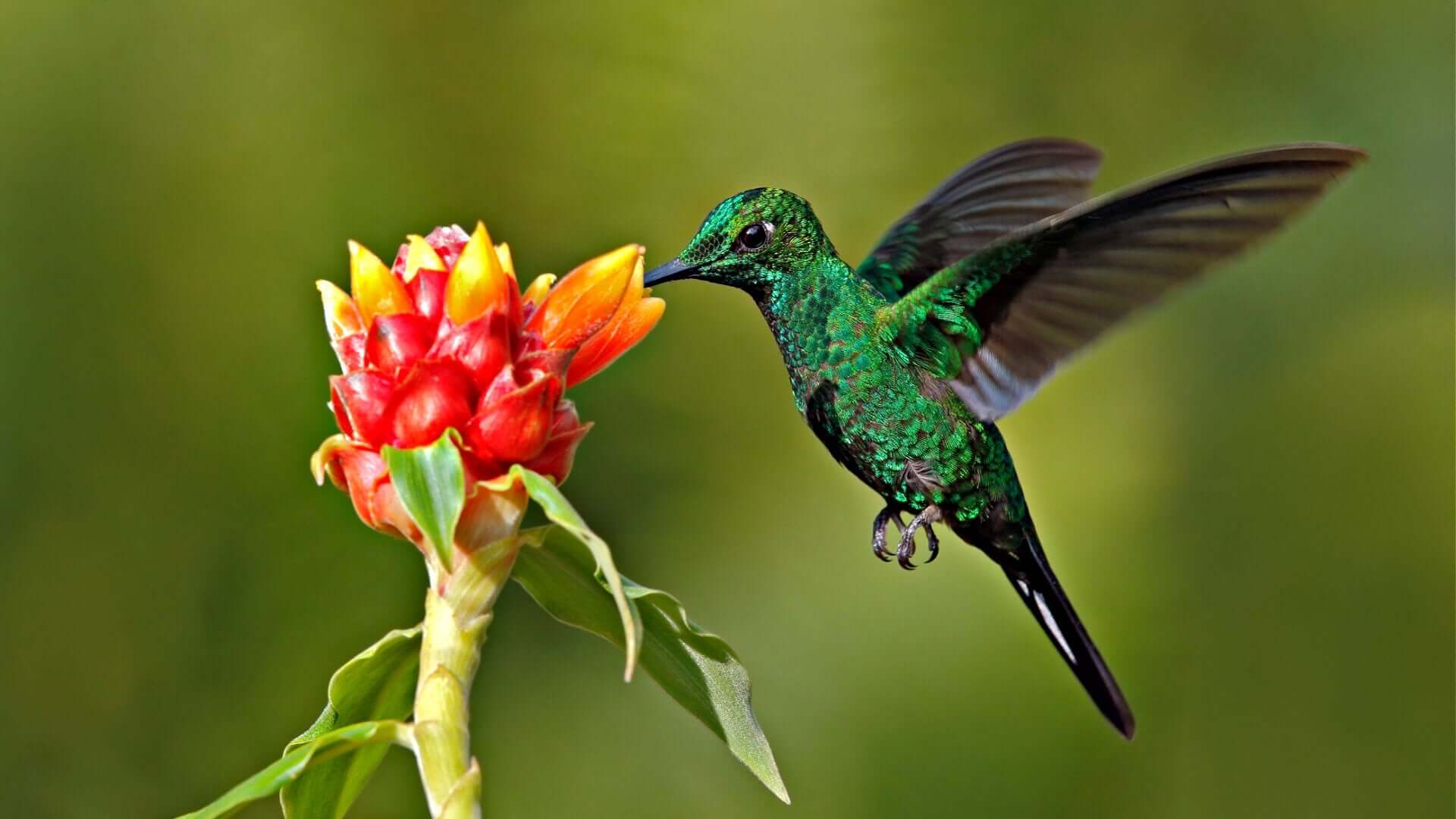
Attracting Hummingbirds in Tennessee: A Zone 6-7 Planting Guide․
If you live in Tennessee‚ ruby-throated hummingbirds typically show up in early April and remain until they migrate south in October‚ thus offering you a longer window than most nursery guides would have you believe․ There is no “magic” plant these birds need; it is the timing of bloom across the season that keeps hummingbirds stocked with nectar once they arrive․ Get that timing right‚ and a couple native vines and perennials that thrive in our clay soil and humid summers‚ and hummingbirds will be visiting your garden daily by mid-summer․
When Do Hummingbirds Arrive in Tennessee
Ruby-throated hummingbirds are the only breeding hummingbird species east of the Mississippi․ In Tennessee‚ they arrive in the first half of April to breed‚ usually after the earliest blooming nectar sources‚ such as red buckeye and coral honeysuckle․ Males usually arrive a week or two earlier in the spring than females․ They use this time to establish a territory and feeding station․ If your feeder is left out too late (May)‚ these birds can also remember where they have fed in previous springs and migrate around a feeding area․
They breed here during the summer‚ then go south in late August‚ though there may be some stragglers passing through as late as October․ That means your nectar sources should peak twice: – in April-May for arriving migrant breeders‚ and in August-September for overwintering birds fattening up for their flight to Central America․
Plants That Actually Perform in Southeast Gardens
Many lists of best hummingbird plants are compiled for the whole country․ California-native hummingbird sage is an example of a plant that won’t overwinter or flourish here in clay soils․ Here are regionally appropriate plants for Zones 6-7:
Coral Honeysuckle‚ Lonicera sempervirens is probably the single best plant for early season gardens in Tennessee․ Native to the Southeastern United States‚ this honeysuckle will bloom as early as the last week in March in some years and will not overwhelm your fence line like Japanese honeysuckle․ TN Nursery sells native coral honeysuckle vines that bloom their first full year of growth when planted on a trellis or split-rail fence with at least 6 hours of sunlight per day․
Trumpet vine (Campsis radicans)‚ another native Southeastern plant‚ is very aggressive and will need to be planted where it can spread‚ away from the actual foundation of the house itself‚ due to suckers extending 10 to 15 feet (3 to 5 m) away from the parent plant․ It blooms from June to September‚ covering the late summer period gap in nectar sources․
The Cardinal Flower (Lobelia cardinalis) breaks with most of the groups here by being entirely a plant of wet and even boggy ground‚ and it blooms in August and September‚ the same time that the hummingbirds are preparing to migrate south․ It is a good choice for low parts of the garden where other perennials might become saturated with water‚ and tolerates partial shade better than most․
Monarda spp (Bee Balm) will fill in a bed through rhizome growth in two years․ This plant can be prone to powdery mildew late in the summer in Tennessee’s humid climate․ Give plants room (2-3 feet) between clumps for good air circulation and consider mildew-resistant cultivars such as ‘Jacob Cline’ if you have had earlier problems with it․
Salvia guaranitica‚ or Salvia greggii‚ has the longest individual bloom period of anything on the list (May through frost‚ if deadheaded)․ ‘Black and Blue’ salvia is particularly attractive to hummingbirds and reseeds readily in Zone 7 gardens․
A good companion plant for rocky soils and dry hills in Tennessee‚ the Penstemon blooms after the honeysuckle and just before the summer blooming salvia and bee balm in late spring to early summer․
What the Big Guides Don’t Tell You About Feeders
Outside of feeders‚ most information that exists about hummingbirds is pretty basic․ However‚ here are some key points for Tennessee․ The summers here are hotter‚ so this will ferment more quickly․ In July and August you should change it every 2 to 3 days (whether it looks empty or not) instead of the 5 to 7 days as in the northern states․ Make a sugar-water mixture containing 4 parts water to 1 part plain white sugar‚ omitting the red dye‚ which has not been shown to be necessary and has even been found to be detrimental to birds in some studies․
Given the humid climate in Tennessee‚ mold can grow in a feeder within a few days․ A bottle brush and a monthly soak in vinegar and water (no soap‚ as residue may be harmful to hummingbirds) keep the feeders from being a detriment to the birds․
However‚ layout is not everything․
Most hummingbirds are territorial․ The top male will chase away virtually all others from any feeder or patch of plants in view in all directions․ If you want more than one to visit‚ separate your plantings with a zone in front of your porch‚ a zone along your back fence‚ and perhaps a third zone by a vine-covered arbor․ This is something Audubon and almost every field guide ignore: the difference between one bird all summer and a dozen․
Building the Garden in Stages
Do not plant everything at once․ The following is a realistic Tennessee hummingbird garden for the first year:
* Plant coral honeysuckle on a trellis and penstemon in a bed in either fall or early spring * Late spring‚ salvia and bee balm can be planted when soil temperature is above 60 °F * Fall‚ plant trumpet vine and cardinal flower when you find a suitable area that has the right moisture and room for trumpet vine to spread
Within a year or so‚ these periods of bloom will overlap from April to September․ There is no need to fill your beds all at once! TN Nursery mail orders bare-root‚ potted‚ ready to plant‚ native perennials and vines‚ according to the two planting seasons (spring and fall) in the Southeast‚ making this multi-season scheme easy to accomplish‚ unlike buying everything for your beds all in one weekend in May when the best choices are few and many of the natives are sold out․
The Bottom Line
Hummingbird gardens in Tennessee are not just about the one best plant․ The sequence of bloom times must cover the migration and the growing season; native coral honeysuckle and trumpet vine provide the vertical high-nectar perch that hummers like․ Salvia‚ bee balm‚ trumpet vine and cardinal flower bloom sequentially in the hottest part of summer․ So long as you provide a properly maintained feeder as a supplemental‚ transitional food source‚ and space the plantings out over two seasons‚ you’ll have a yard that ruby-throated hummingbirds return to year after year․


