
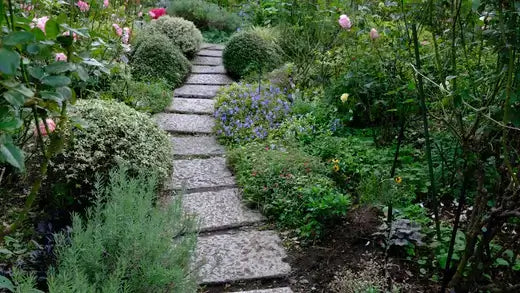
How To Create A Shade Border That Actually Thrives (Not Just Survives)
The first step to building a great shade border is to choose plants for the actual light conditions in the garden․ Most failed shade gardens come down to one mistake: treating all shade the same‚ when shade can mean anything from bright dappled light under a maple to the near-darkness under a dense privet hedge․ With the right light assessment and a combination of height and bloom time‚ you can have a border that looks good from March to November‚ not just a three-week wonder in the spring․
Know Your Shade Before You Plant Anything
In gardens in Tennessee‚ one yard may have a range of shade․ Light shade (or dappled shade) is sunlight that penetrates a high tree crown‚ 3-4 hours of filtered light a day‚ suitable for many plants․ Partial shade is morning sun with afternoon shade․ In fact‚ this may be the ideal condition for many flowering perennials․ Full shade is no sun‚ but ambient light․ Dense shade is the toughest darker end of the spectrum to garden in‚ under mature oaks or a solid north-facing fence․ Ferns and a few other very hardy perennials really come into their own in this situation․
If you walk your border at 9 a․m․‚ noon and 4 p․m․ before you buy your first plant‚ you'll save a season's replanting‚ and it only takes you ten minutes․
Build the Structure First
Every good shade border has a backbone‚ and this is it․ Though not a true shade plant‚ the Northern Privet continues to tolerate a fair amount of dappled sunlight along the edges of your wooded property lines․ And it grows very fast, too! Generally growing 2 to 3 feet per year once established‚ that privacy screen you want will be ready for you in two or three growing seasons․ Northern Privet is semi-evergreen in Tennessee's Zone 6b-7b climate‚ meaning that it keeps its foliage through most of the winter․
Plant Northern Privet 3 to 4 ft (0․91 to 1․22 m) apart to form a close-spaced hedge‚ or further apart if you want it to grow as a specimen shrub․ Prune Northern Privet twice per year to keep it bushy and attractive; after the first flush of growth in late spring and after the second flush in late summer․ Do not prune in the fall as this promotes new growth which may be tender and potentially frost-killed․
The Middle Layer: Ferns Do the Heavy Lifting
Once the hardscaping is done‚ ferns fill the awkward middle zone where the sun-loving perennials leave off․ Three natives are reliable from Tennessee in the South to the Southeast:
Ostrich fern is a tall fern (3-5') that works best in the back of the border‚ or against a shaded fence; it will spread by rhizome and fill in 2-3 years․ Lady fern is 18-24 tall and tolerates somewhat drier conditions than other ferns‚ which may be useful if your shade border does not run directly along a downspout or irrigation line․ Cinnamon fern prefers consistently moist soil and produces‚ in early summer‚ a cinnamon-colored fertile frond that many people mistake for a flower or bloom․
All three hibernate through the winter‚ reappearing around April in the mid-South‚ so if you don't see them for a while (as I usually don't)‚ don't be alarmed․ Just remember where you put them‚ particularly if‚ like me‚ you tend to dig where nothing seems to be growing․
Perennials That Bloom in the Shade
This is where so many shade borders go wrong: people plant for foliage but forget about color․ You don't have to․ Hostas are the foliage workhorse (blue-leafed varieties hold their color better in shade than in sun)‚ but for flowers look to:
- Astilbe - feathery plumes in pink‚ red‚ or white from June into July; likes moisture‚ so plant near your cinnamon ferns Heuchera (coral bells) is as much grown for its amber‚ purple, or almost black foliage as for its flower spikes in summer․ - Bleeding heart is another early spring bloomer that dies back by midsummer‚ so it can be interplanted with something that will fill that spot - A biennial or short-lived perennial‚ depending on the strain‚ foxglove will add vertical interest to most shade borders․ - Solomon's seal‚ arching stems and small bell-shaped flowers in May‚ spreads slowly‚ pairs well with ferns
Space bloom times․ A border full of spring ephemerals looks empty by July․ The bleeding heart in spring‚ the astilbe in early summer‚ and the heuchera‚ which holds its foliage color into fall‚ provide three seasons of interest․
Soil Prep and the First 90 Days
Shade soil under trees is hard‚ rooty‚ and drier than one would think․ Tree roots are constantly outcompeting new plants for moisture․ Instead of digging holes down to a solid clay bottom‚ incorporate 2-3 inches of compost throughout the bed before planting․ This is more of a concern with border plantings in the shade‚ as soil building by leaf litter turnover will not be occurring on a maintained bed․
Water new plants twice weekly for the first month‚ then weekly during the first growing season‚ assuming typical Tennessee summer rain․ Ferns and astilbe (Perennials) require more water than heuchera or hosta; plants should be grouped by their water needs as well as their sun and shade requirements․
Mulch with 2 inches of shredded hardwood or pine bark‚ but not more‚ lest humid Southeast summers rot the crowns․
A Realistic Timeline
The first year is mostly for establishment․ The garden will not look filled in․ By the second year you will have doubled the ferns and perennials will be blooming at close to mature size․ If you plan on using privet for your screen‚ it will take Northern Privet 3 years to grow from standard nursery stock to your desired 5-6 foot screen․ Don't plant your shade borders too closely the first year‚ because the plants have to compete for the light and moisture available․
TN Nursery ships Northern Privet‚ native ferns‚ and shade perennials in the size needed for layering‚ so you won't have to guess at whether you are getting root systems that will work well in the conditions you have to work with‚ whether deep shade on the old hardwoods or dapple on the edge of a wooded lot․ The combination of structural shrubs‚ textural ferns and well timed perennial bloom can easily elevate your shade border from the wasted‚ or at least limp‚ to the best part of your yard․
"


