
Creating Stunning Garden Color Schemes
A garden is one of the best ways to express our tastes‚ our personalities and our bond with nature․ Among all the elements in the garden‚ perhaps the most exciting part is choosing the color palette․ Color can create emotion or mood and it can simply be a type of reminder․ Basic color combinations can easily beautify any outdoor setting‚ but also create relaxing or uplifting spaces to the mind․ Whether you like the color of the hot fiery leaves in autumn or the feel of a cool autumn breeze‚ there are some basic color combinations you can use․
Examples of Warm Color Flower Options
Warm colors give any flower garden the feeling of being alive and very bright․ Red‚ orange‚ and yellow are the colors of the sunset‚ or the colors of a sunflower in full bloom․ You can simply plant bed clusters of bright orange marigolds‚ bold red geraniums‚ and golden-yellow coreopsis to get the color combination that captures the eye‚ stimulates and inspires people to feel happy and excited on their way through․ Gradually‚ as the morning sun washes the day over those warm colors‚ you can create and present a glorious light to signal you and your guests into the garden you're creating․
Cool colors used in an outdoor landscape design can create a calming‚ relaxing effect․ Blue‚ green‚ and purple are reminiscent of lakes‚ forests‚ and other natural landscapes․ Lavender‚ lilac-blue hydrangeas‚ and green foliage are a lovely combination‚ and will make a great place for you to unwind at the end of the day․ When walking in the garden of cool colors‚ the cares of life are left behind and the soft voice of the cool breeze moves between the leaves․
Momochromatic Planting Explained
Monochromatic planting schemes can create depth in your garden by choosing different shades of the same color‚ avoiding a one-dimensional appearance․ For example‚ if you are planting pink flowers‚ you may choose deep fuchsia peonies‚ soft blush pink roses‚ and pale pink snapdragons for a three-dimensional effect․ A monochrome approach provides an opportunity to play with texture and shape within an overall color scheme․ The extra dimension of complexity within a monochrome palette is the subtle variations in hues that otherwise mirror each other․ This encourages the viewer to explore the piece from the delicacy of the flowers to the strength of the stems․
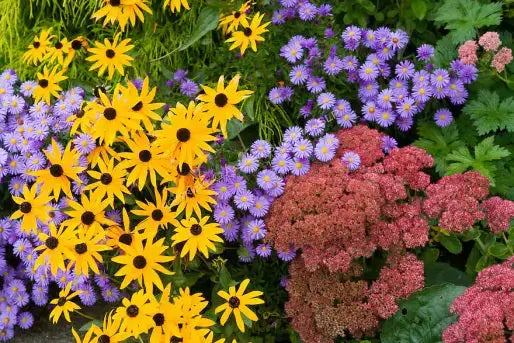
If you want to take your garden from ordinary to extraordinary you can do that by using contrasting colors․ One way to use contrasting colors is to use complementary colors․ Orange is a warm color and blue a cool‚ so a planting scheme where cobalt blue delphiniums are combined with bright orange calendula will make both colors brighter‚ and give the combination impact․ The plants are different because of their foliage‚ and this is the basis of the contrast․ The contrast pleases the eye‚ and seems to carry the eye from one plant to another․ This tends to make the garden seem dramatic‚ and allows for nature's creativity to be visible in each individual plant‚ and in the design as a whole․
Complementary colors can also be seen in nature and used to design a bright but not gaudy garden․ Examples of flowers that are complementary pairs include the golden yellow of daisies and the deep purple of iris․ But aside from the aesthetic quality of using complementary colors‚ the bright colors contrast with some of the less bright colors in showing the subtleties of the color of individual plants and by balancing all the colors in the view․ This natural blending of colors gives a garden a dynamic energy and flow that feels more like a conversation between voices․
In conclusion‚ color schemes for the garden are not unlike color schemes for the wardrobe․ They are a statement of what you are‚ and how you wish to show the world your garden․ Natural garden color schemes can be based on warm‚ cool or contrasting colors․ What you do with them is pure fun and creativity: every flower‚ every leaf‚ every stem can aspire to be part of the artistic image you wish to convey․ With these ten simple color schemes‚ your garden can become a vibrant‚ living canvas‚ one that will not merely reflect the beauty of nature‚ but of you․ Choose the colors of your garden carefully‚ and watch as your outdoor oasis transforms before your eyes‚ becoming not just a space of flora‚ but a reflection of life itself․


