
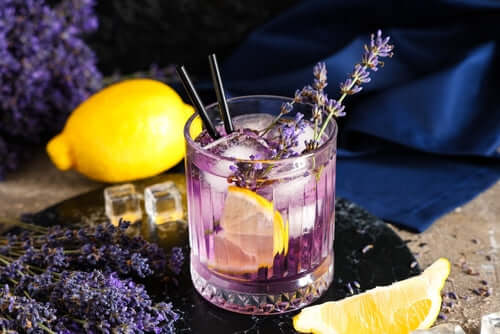
One of the subcategories of horticulture which has captured the imagination of both gardeners and foodies with the scope‚ variety‚ color and fragrance is the world of edible flowers․ Edible flowers‚ brightly colored and often perfumed‚ make a mouthwatering addition to any garden or meal․ This might be in your backyard‚ with flowers like daisies‚ nasturtiums and lavender at your fingertips‚ which you pick and add to whatever you're cooking․ There is much more to gardening than growing things simply for their aesthetic beauty or for their usefulness․ The real joy of growing things is the creativity encapsulated in the cooking of what you grow․ By planting edible flowers into our gardens we open a route that leads to an adventure for the eyes‚ the stomach‚ and the front of our plates․
Edible Flowers Nutritious Value
One of the largest advantages to the use of edible flowers is that many of the flowers are extremely nutritious․ Edible flowers are often rich in vitamins‚ antioxidants‚ and other minerals that can help a person's diet․ Certain flowers also have medicinal properties․ Calendula or pot marigold is full of anti-inflammatories and can soothe certain conditions․ Pansies and violets are high in vitamins An and C‚ which help to build a strong immune system․ If these flowers meet the aesthetic goal of improving the beauty of our food presentation‚ glamor and beauty are not the only benefits of edible flowers․ They add interesting nutritional properties to our diet․ This is why you should consider picking or planting edible flowers‚ as they will make your garden visually appealing and healthy․
The more you learn about edible flowers‚ the more choices you have for your garden and your table․ Besides nasturtiums (orange and yellow flowers with a peppery taste)‚ colorful pansies (with a sweet‚ grass-like flavor) make a great addition to any edible garden․ Borage has blue‚ star-shaped flowers that can be used in summer salads for a delicate cucumber flavor․ Sunflowers are more often given less attention and thought of as seeds‚ but the seeds and petals can be eaten in many different ways‚ from oils to salad garnishes․ With so many different varieties available‚ it is easy to build up a wide and colorful selection of flowers from which to experiment with new flavors․ The following lists should provide some inspiration and guidance to help you start․
Harvesting Edible Flowers
Once you have a harvest of edible flowers‚ the great thing is that edible flowers can be used in countless ways in your cooking and baking‚ both fresh and dried‚ or simply as a garnish․ You might be stirring lavender into your breakfast scones‚ tossing crunchy nasturtiums into your lunchtime salad‚ or making drinks from elderflower steeped in syrup and water․ Edible flowers are a great way to add some pizazz․ Toss some of those petals all over your cake or float a couple blue violet petals in your drink‚ for instance․ Play with edible flower flavorings to see what you like best․ Allow your palate to guide you in the pleasurable discovery of flower flavors that work best with your particular dishes․
While a wide variety of edible flowers can be grown‚ some general tips may help you to achieve a successful experience․ Choose flowers that are appropriate to your climate and soil․ Most edible flowers do well in full sun for several hours a day‚ so make sure to place them appropriately․ It is also good to space the flowers out so that air can circulate around the plants preventing pests from appearing․ Do not overwater‚ as most flowers like well-drained soil․ If necessary‚ control pests‚ but use organic solutions that do not harm the plants or the environment by introducing toxic chemicals․ As you grow these edible flowers‚ you will become more attuned to the cycle of life in your garden‚ as well as your cooking․
Edible Flowers' Uses
You may find that the flowers actually go well with other foods․ For example‚ lavender is great with roasted meats and adds a different flavor component․ Chamomile can also be used to lend sweetness to your fish or to add color to herb-infused oil that you use in salad dressings and other savory foods․ Edible flowers can also be used to add a touch of excellence to desserts such as whipping roses with cream‚ or homemade jelly‚ or adding color to food by using flowers as garnishes․ However‚ knowing how to incorporate the flavors and textures of these flowers into your meals can provide a whole new experience in your cooking that is unforgettable․
Creating a garden of edible flowers is not just for the purpose of decorating your garden․ It is a way of harvesting the beauty of nature into a garden full of flavor and enchantment․ With this‚ you would not just be harvesting flavors for your meals‚ but you also would be harvesting a lifestyle filled with beauty․ This guide to edible flowers is a delicious way to enjoy your garden and help you to appreciate the connection between the garden and the kitchen even more․ Every flower you pick and every dish you create feeds your imagination as well as your body‚ and teaches you to love the simple things in life‚ from the flowers you grow to the things you prepare․ Growing‚ enjoying and using edible flowers is not just gardening‚ it's an experience that can feed the body as well as the mind․


