
10 Drought-Proofing Tips for a Thriving Tennessee Garden
Simply put‚ garden water savings in the summer come from keeping the soil moist‚ watering deeply‚ and planting water-wise plants․ Get those three right‚ and you can lose much less during a dry spell in July of an average Tennessee summer than gardeners accustomed to a short‚ shallow-freeze goal of watering that occurs much more frequently on thirstier ornamentals․
Tennessee occupies USDA zones 6b through 7b․ We average 45-55 inches of rain a year‚ but a lot of it doesn't come when we need it․ In late summer‚ Middle Tennessee can go three or four weeks without a rain worth mentioning‚ and those high temperatures and dry spells on that compacted clay soil are very rough on plants that weren't set up to handle it․ Here's how to fix that․
1․ Group Plants by Water Needs
It's the design step most people skip‚ and the most painful․ If you plant a thirsty hydrangea next to a drought-tough coneflower‚ one of them is going to be unhappy‚ no matter how you water․ This will enable extremes such as grouping natives or drought resistant perennials together in the hottest‚ driest areas of the garden‚ whilst ensuring a consistent water supply to the plants that need it more‚ such as ferns or hostas‚ in a smaller area․ This alone can cut your total water use considerably because you're not soaking an entire yard to keep one thirsty corner happy․
2․ Mulch Like You Mean It
One of the cheapest and highest-return investments you can make is to spread a mulch of shredded bark‚ straw or leaves 2 to 4 inches deep over the soil․ It keeps the sun's heat from baking the soil surface dry‚ reduces evaporation and reduces weed competition for moisture․ Organic mulch breaks down into soil in a season or two․ This is an advantage in a state like Tennessee‚ where most of the state is covered with heavy clay soil that has become compacted over the years․ Keep it an inch or two away from the stem/trunk to avoid rot․
3․ Fix Your Soil Before You Fix Anything Else
Clay soil occurs throughout most of Middle and East Tennessee․ It either holds water on the surface or creates a waterlogged layer just below the surface that roots cannot penetrate‚ and neither condition is conducive to maintaining plants during drought․ Over time‚ adding 2-3 inches of compost each year improves soil structure and allows plant roots to reach deeper layers with moisture․ They have deeper roots and can access moisture and nutrients deeper in the soil‚ whereas other shallow-rooted plants may wilt when the top 6 inches of soil is bone dry․
4․ Water Deep‚ Not Often
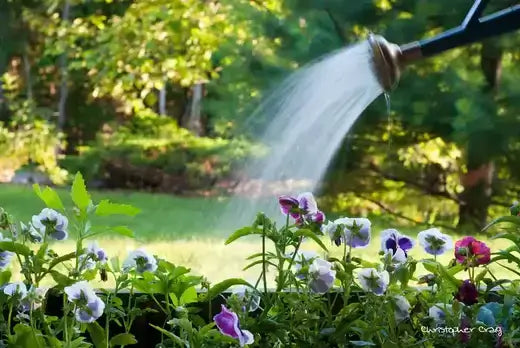
Water a little each day to get roots to stay near the soil surface (the opposite of what you want for drought tolerance)․ Water deeply once or twice a week‚ 6 to 8 inches below the soil's surface․ This encourages roots to search deeply for moisture‚ and builds the kind of root system that can withstand a two-week dry spell․ Early morning‚ before 9 a․m․‚ is the best time for watering․ Night watering promotes fungus in the humid summers of Tennessee and watering by midday loses much to the local atmosphere before reaching the roots․
5․ Switch to Drip Irrigation or Soaker Hoses
A lot of the applied volume is lost to drift and evaporation with any overhead sprinkler‚ perhaps as much as one half․ Drip lines and soaker hoses apply water directly to the root zone․ They also minimize loss and leaf wetness which can encourage fungal disease in our humid weather‚ and in vegetable beds and perennial borders, the switch will often pay for itself in a single dry summer․
6․ Choose Native and Regionally Adapted Plants
You don't have to reinvent the wheel․ Native plants in Tennessee have solved the drought problem through thousands of years of adaptation to our specific rainfall and soil chemistry․ Black-Eyed Susan‚ Purple Coneflower and Little Bluestem grass are just a few examples of well-established‚ drought tolerant natives․ By carrying a large selection of native perennials and grasses bred for just such a situation‚ TN Nursery takes a lot of guesswork out of picking plants that will actually survive an August without rain․
7․ Add succulents and drought-adapted perennials․
Succulents store water in their fleshy tissues and are thus drought tolerant․ Stonecrop (Sedum) has flowers in deep burgundy‚ pale pink‚ yellow‚ and chartreuse‚ and may be used as a ground cover or in containers․ Agave can take more sun and drought than almost anything you can plant but neither plant likes soggy feet so do not plant them in heavy clay but in amended soil to allow good drainage․
8․ Use Ornamental Grasses for Texture and Toughness
Blue Fescue‚ Little Bluestem‚ and Switchgrass create rhythm and structure in any landscape and require little water once established․ Once established‚ most ornamental grasses need additional water only for the first growing season․ After that‚ their roots are deep enough to tap moisture below the surface‚ and they are more tolerant of the summer humidity and clay topsoil encountered in Tennessee than most ornamental shrubs that are imported from other climates․
9․ Create Shade and Windbreaks
Wind hastens evaporation from the surface of soil and plant leaves․ Late afternoon sun on bare ground and foliage greatly increases evaporation․ Wind breaks of shrubs or small trees on the windward side of gardens greatly reduce water loss․ Just a few hours of afternoon shade from a strategically grown tree can be enough to change how often you need to water a bed․
10․ Monitor Before Plants Show Stress
Wilting is a late signal the plant needs water․ Test the soil by pushing a finger or screwdriver 4 inches (100 mm) deep into the ground twice weekly when dry․ If it gets dry and crumbly‚ water the same day rather than waiting for wilt․ Preventing a water stress event‚ which can take weeks to recover from or the plant may not recover from‚ is much more desirable․
Design Water-Conserving Gardens in Dry Years
None of these strategies works in isolation‚ however‚ as rich soil without moisture can still stress plants․ Native plants don't seem to hold their moisture long in bare‚ sun-baked beds․ The gardens that survive a hot dry summer in the Tennessee landscape are the ones that have done well in all those areas from soil preparation to the plant selection to what the hose is really used for․ For now‚ consider converting one or two areas this season․ Maybe a drip irrigation system‚ or plant a handful of natives from TN Nursery's drought-tolerant list‚ and grow from there․ A drought-tolerant garden not only survives‚ but thrives․ It usually looks better the
"

