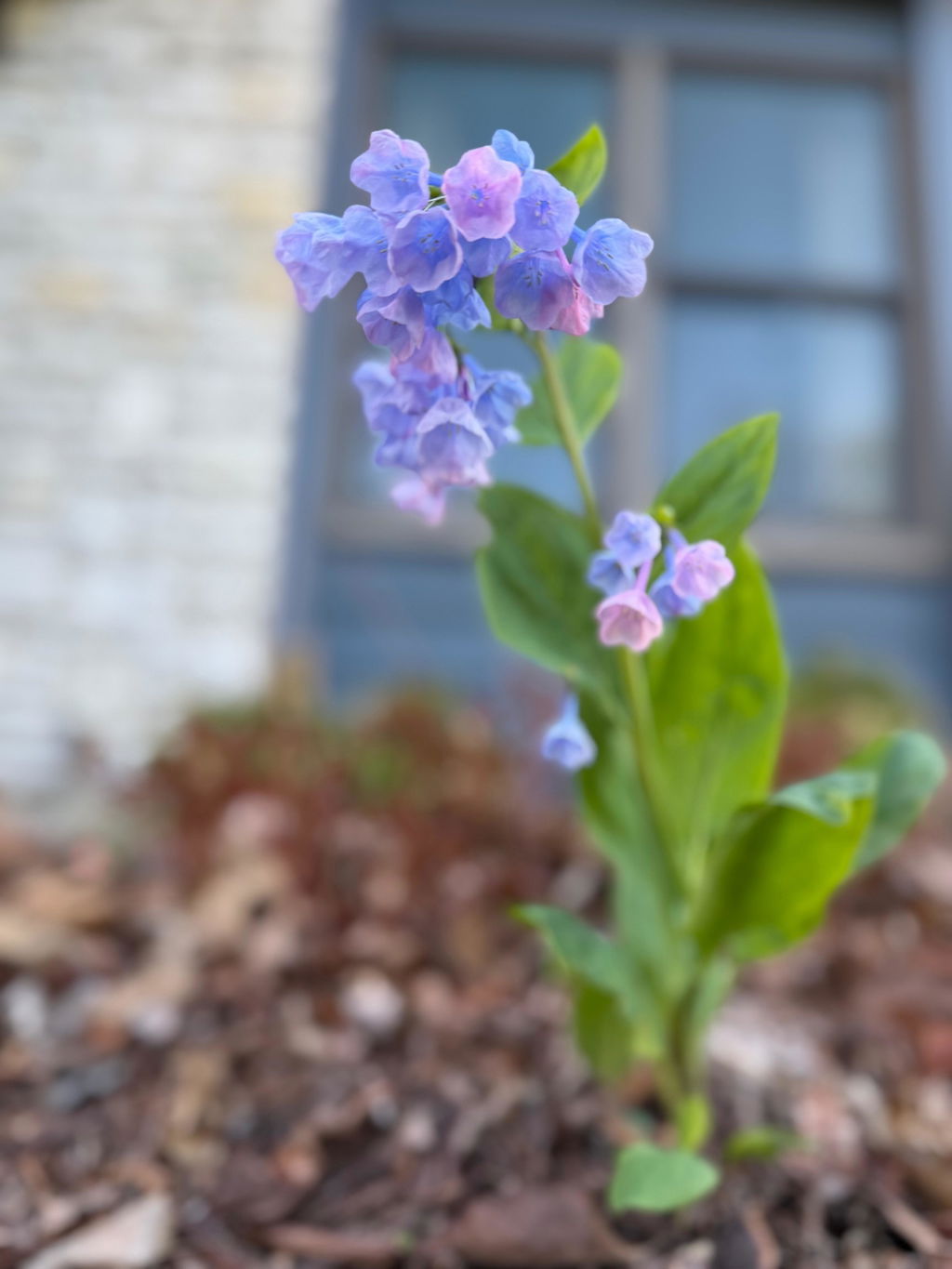
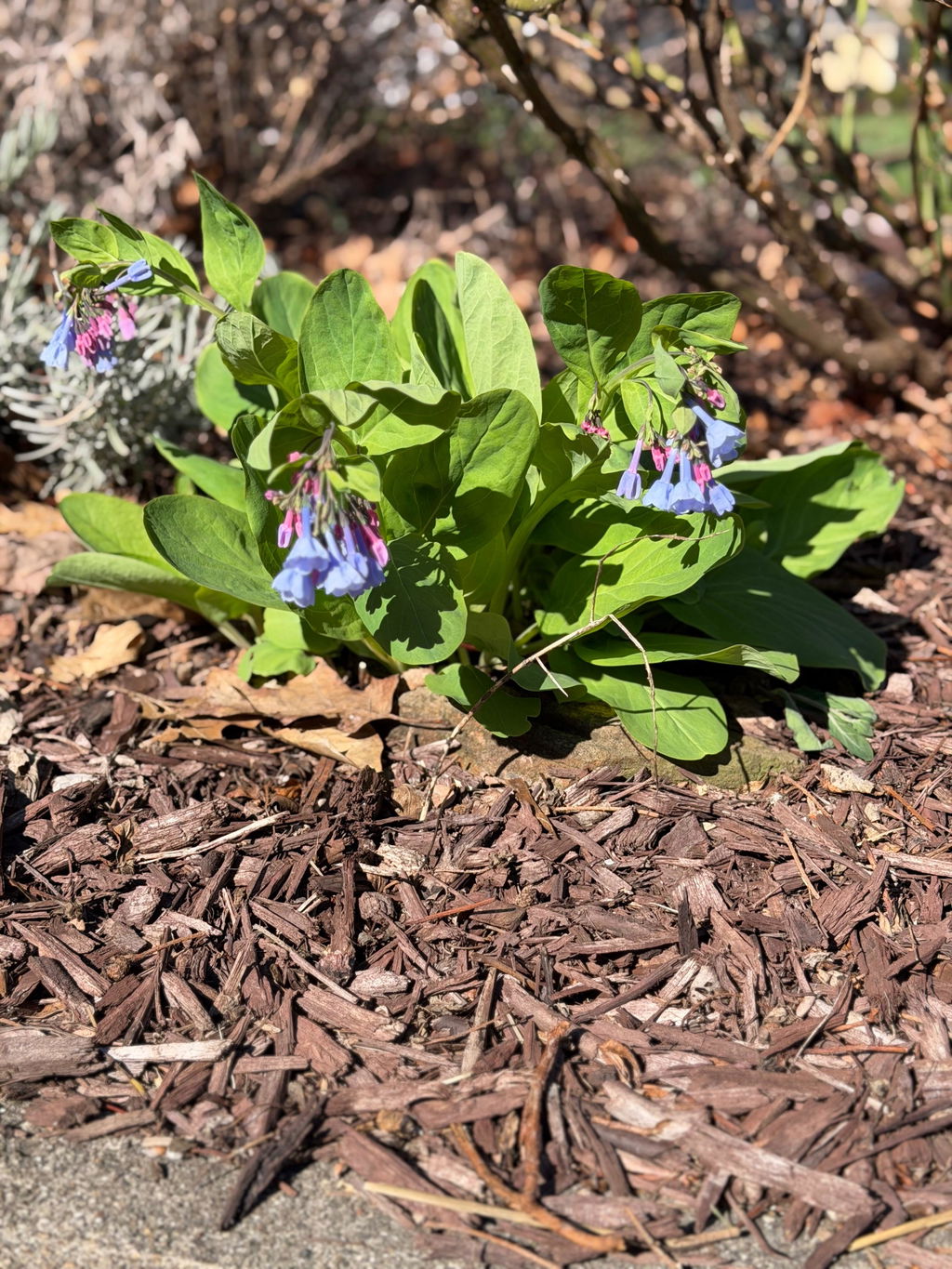
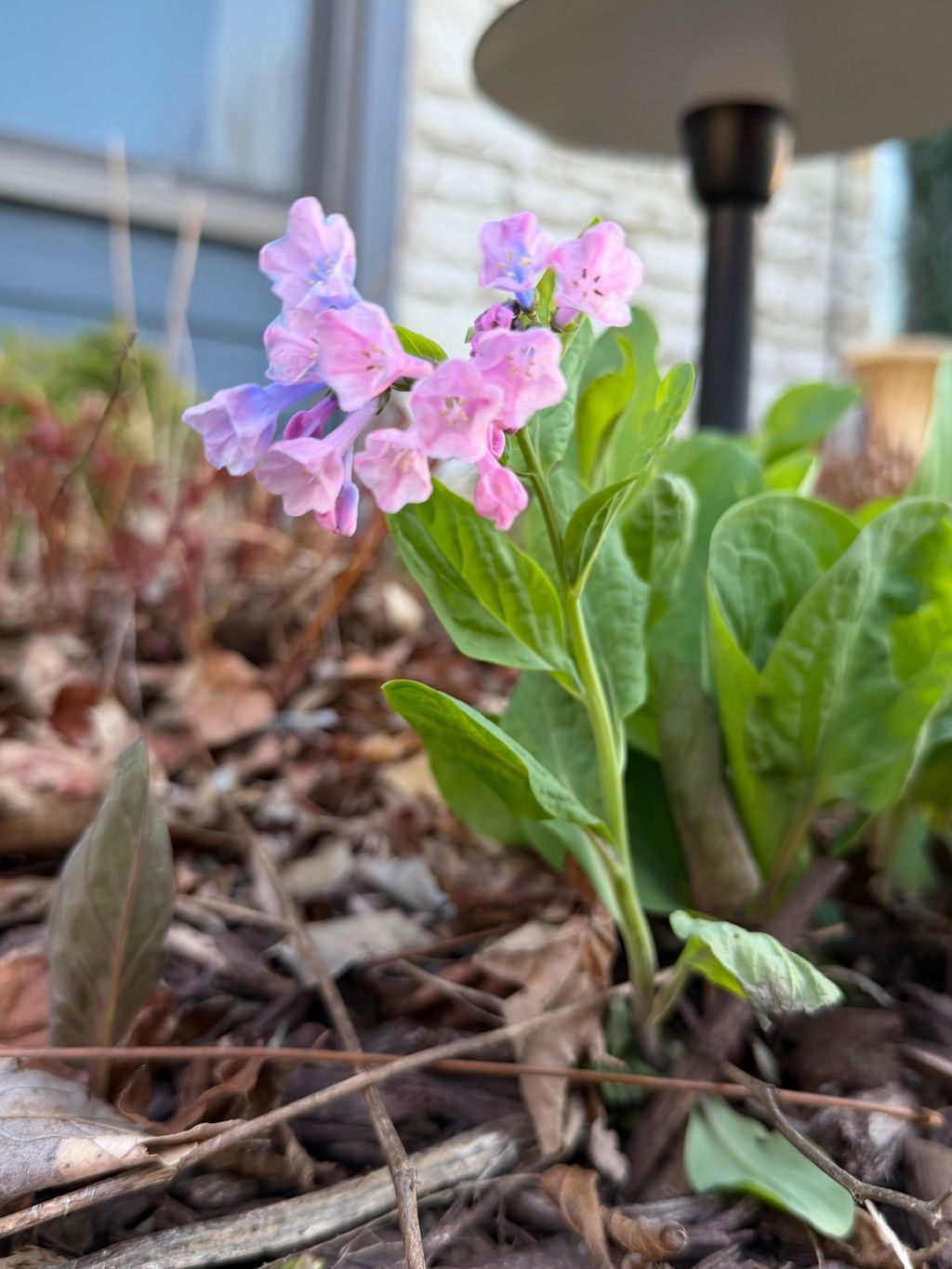
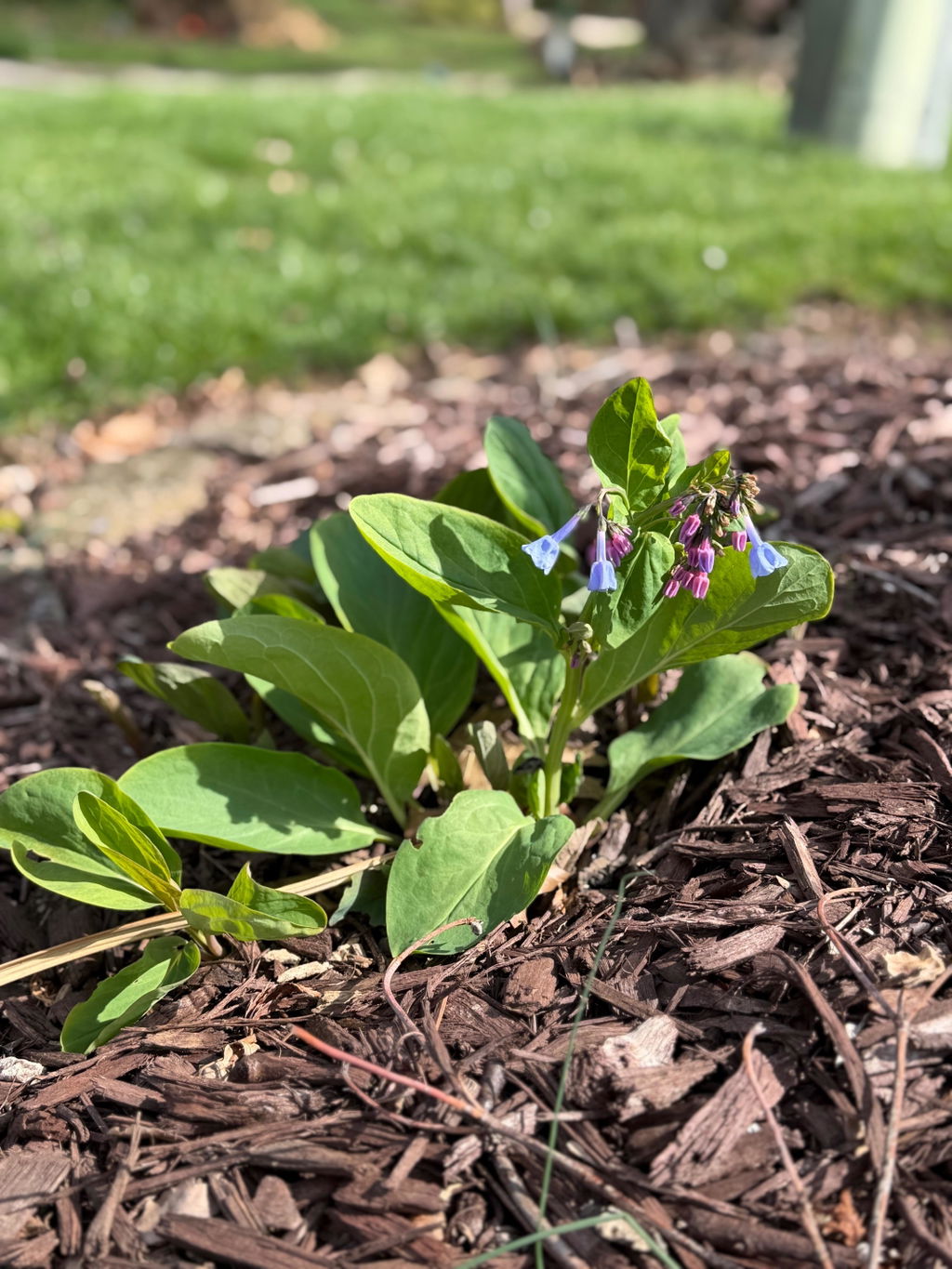
Virginia Bluebell clusters of vibrant blue purple bell-shaped flowers

Virginia Bluebell

Buy 1 Get 1 Free
$5.99
Sale price  $5.99 Regular price 
Skip to product information
Virginia Bluebell clusters of vibrant blue purple bell-shaped flowers

Virginia Bluebell

Attracts pollinators like bees and butterflies, One of Spring's first bloomers, Bloom color ranges from pink to sky-blue
$5.99
Sale price  $5.99 Regular price 

Fast Shipping Nationwide

Truck on checkered background
Quantity Buy 1 Get 1 Free

Ship Date: 10-12 Days

Add 1 plant to your cart, and we'll send you a 2nd one FREE!

Share our plants on social media!

Tennessee Wholesale Nursery

In Stock

Tennessee Wholesale Nursery

Your planting zone -

Tennessee Wholesale Nursery

This plant thrives in zones: 3-9

Tennessee Wholesale Nursery

Delivery to your location

Virginia Bluebells For Sale

Our Virginia Bluebell is a treasured native woodland perennial and an easy way to bring the look of old forest gardens home. This deciduous, spring ephemeral produces nodding, bell-shaped blooms that drape gracefully from vivid green stems above large, soft leaves. Blooming in spring for up to 6 weeks, it delivers a short but unforgettable show just when the garden needs fresh color most. If you love native plant seeds and dependable perennial landscaping plants, this classic wildflower is a beautiful choice for shaded garden spaces. Instead of hoping to catch them in bloom at a park or arboretum, grow your own and enjoy the display right outside your door.

Virginia Bluebell Plant Details

Family: Borage (Boraginaceae)

Light Requirement: Shade

Water Needs: Average/Moist

Height: 1 - 2 ft.

Growth Rate: Fast

Bloom Time: Spring

Flower Color: Blue

Wildlife Value: Attracts bees and butterflies

Landscape Uses and Maintenance

With its neat, compact habit, Virginia Bluebell fits naturally into many shade garden designs. We especially like it along borders, in woodland edges, tucked into rock gardens, or planted among other shade-loving companions such as Dutchman’s breeches, trillium, and toad lily. It prefers dappled light and should be kept out of harsh full sun, where the foliage can fade quickly. Those pendant blue flowers add a soft, natural look that works beautifully in perennial landscaping plants schemes focused on native beauty and seasonal interest.

Virginia Bluebell cluster of vibrant purple bell-shaped flowers in forest garden

This is one of our favorite low-maintenance choices for shade. It performs well for new gardeners and seasoned plant lovers alike, thriving in rich, well-drained soil with very little attention once established. No fertilization is necessary. That simple care routine makes it a practical option for gardeners who want strong seasonal impact without extra work. One honest note: because it is a spring ephemeral, the foliage dies back after its spring show, so it is best planted with ferns or other later-emerging shade plants. Over time, this colonizing perennial will spread and form larger clumps, creating a fuller woodland display year after year.

Noteworthy Characteristics of Mertensia Virginica

When the Virginia bluebell first emerges, its leaves often appear in deep purple tones before softening into a lush, fresh green. Soon after, arching stems rise and carry dangling clusters of pastel flowers that give the plant its unmistakable woodland charm. The effect is gentle, romantic, and striking in a shaded bed.

The blooms open in stages, often starting as soft pink buds, shifting through purple, and maturing into a powdery sky blue. In the garden, this color transition creates extra depth and movement, especially when several plants bloom together. Some varieties may include white, but the classic appeal is that luminous blue display that draws the eye immediately.

As spring ephemerals, Virginia Bluebell put on their show in spring and then disappear for the remainder of the growing season. We recommend interplanting with Solomon’s seal or ferns to fill the open space left behind after the leaves die back. This simple pairing keeps your shade bed looking full, layered, and intentional from spring into summer.

Virginia bluebell dark brown elongated root with soil and fine roots

Frequently Asked Questions

Is Virginia Bluebell a good choice for native plant seeds and shade gardens?

Yes. Virginia Bluebell is a native woodland perennial that performs best in shade and brings natural spring color to woodland borders and shaded landscape beds.

How tall does Virginia Bluebell grow and when does it bloom?

Virginia Bluebell grows 1 - 2 ft. tall and blooms in spring, with a flowering cycle that can last up to 6 weeks.

Are Virginia Bluebells pollinator friendly flower seeds for garden spaces?

Yes. Virginia Bluebell attracts bees and butterflies, making it a strong option for gardeners looking for pollinator-friendly flowering plants in shaded areas.

Need Help?

Phone: 931-692-7325

Call Now

Exposure

Virginia Bluebells (Mertensia virginica) thrive in partial to full shade, making them ideal for woodland gardens. They prefer dappled sunlight but can tolerate early morning sun. Too much natural sunlight can push the leaves to wilt or scorch.

Height at Maturity

Under 12"

Usage

Shade Plant

Shipped As

Bare-root

Ships

USPS

Planting Zones

3-9

How To Grow

How to Grow and Care for Bare Root Perennials, Tubers, and Bulbs

Bare root perennials, tubers, and bulbs are an easy and economical way to jumpstart your garden with lasting beauty. These dormant plants should be planted in early spring or fall while the soil is cool and workable. Before planting, soak bare roots in water for 1–2 hours to rehydrate them. Choose a location based on the plant’s light needs—most flowering types prefer full sun, while others thrive in partial shade.

For bare root perennials, dig a shallow hole and spread the roots out naturally, ensuring the crown is level with the soil surface. For tubers and bulbs, plant with the pointed side facing up at a depth about two to three times their height. Cover with soil, gently press down, and water thoroughly.

Keep soil consistently moist (not soggy) until new growth appears. Add mulch to retain moisture and suppress weeds, but avoid covering the crown or bulb tops. Once established, these plants require little maintenance—just seasonal watering, occasional dividing, and deadheading or pruning as needed. With proper care, they’ll return and thrive year after year.

Care Tips
Virginia Bluebell (Mertensia virginica) thrives in well-drained, rich soil. Water regularly to keep the dirt wet, particularly during dry periods. Remove spent blooms to encourage new growth. Separate plants every few years to maintain vigor and prevent overcrowding.
Light Requirements
Virginia Bluebells (Mertensia virginica) thrive in partial to full shade, making them ideal for woodland gardens. They prefer dappled sunlight but can tolerate early morning sun. Too much natural sunlight can push the leaves to wilt or scorch.
A sun-dappled dirt path winds through a lush, green forest with ferns and wild plants lining its sides.

Grower-Direct Plants Shipped Fast - Satisfaction Guaranteed