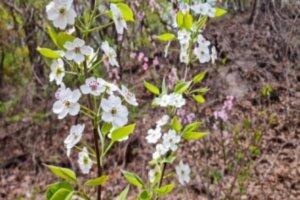
Yoshino Cherry Tree Details
Yoshino Cherry Tree Prunus × yedoensis
The Yoshino cherry tree Prunus × yedoensis‚ a hybrid tree that produces pretty flowers during the spring‚ has become a symbol of spring for many cultures around the world․ This tree‚ native to Japan but also cultivated in and around Japan and elsewhere‚ adapts well to different habitat types and landscapes․ With its large‚ fragrant flowers associated symbolically with renewal‚ hope‚ and the ephemeral nature of beauty‚ Yoshino cherry remains a very popular tree for budding amateurs and experienced gardeners alike with its moderate height‚ graceful maturity‚ and seasonal changeability․ As our understanding of the complexities of the Yoshino cherry grows‚ so will our appreciation of this magnificent specimen and its incorporation into our own landscapes․
Despite its ornamental appearance‚ the Yoshino cherry tree averages between 20 and 40 feet in height
During spring‚ it will develop a broad‚ rounded crown‚ providing a comfortable amount of shade from the summer sun․ The Yoshino cherry tree's leaves are bright green when they first appear and offer a backdrop for the more colorful features of the tree․ The Yoshino cherry blooms in early spring with its semi-double pink flowers‚ which range in color from near white to light pink․ It has five petals and is slightly scented․ Its elegance attracts everyone who comes to view it․ It is also said to capture the spirit of spring‚ and the transience of nature's cycles in general․
Pollination is an important part of the reproductive cycle of the Yoshino cherry tree
The trees are mainly pollinated by bees and insects seeking nectar from the blossoms․ Pollination occurs when the sweet scent‚ and brightly colored flowers‚ attract the busy insects; when the insects move from flower to flower in search of food‚ the pollen in the anthers‚ which form the male reproductive part of the flower‚ falls on the stigma‚ the female reproductive part of another flower․ This interaction creates the cherries‚ which are small and not very flavorful when compared to other cherry species․ However‚ this tree is mostly grown for its flowers‚ and not for its fruit‚ which is the main reason behind the Yoshino cherry's popularity․
Yoshino cherry trees have seasonal blossoming and produce flowers
Flowering begins in March and lasts for about a month․ The peak bloom is in April․ A week or two later‚ the tightly-budded blossoms have opened into full flower and fields‚ trees‚ and buildings are covered with delicate white blossoms․ Combined with warm temperatures and good sunlight‚ the overall effect is almost ethereal․ Every gust of wind‚ there are more flowers raining down to earth‚ each petal is alike a flake of snow that falls to the floor as if to remind us that beauty is an ephemeral‚ fragile thing‚ and that we should treasure the moments in our lives that are likewise fleeting․
The Yoshino cherry is often planted as an ornamental tree by gardeners and landscape architects
Plantations may be found in public parks where it is commonly seen as an avenue tree‚ but often also in residential areas and commercial sites and institutions‚ where its umbrella-like form is smothered in flowers․ The tree's canopy provides shade in hot weather for pedestrians wishing to walk underneath․ In spring‚ it can be used for photographs when the tree is full of flowers‚ and in fall people can take photos of the tree when its leaves change into different colors that contrast with the darker fall sky․ This gorgeous tree beautifies your garden all year long․ To plant a Yoshino cherry tree is to turn an ordinary garden into a seasonal mosaic of color and life that delights all who come․
Pollinators Flock to Yoshino Cherry Trees
In conclusion‚ the Yoshino cherry tree with its beauty‚ pollination process and seasonal expressions of color and fragrance is a wonder of nature‚ and an iconic symbol of springtime․ With a beautiful tree like this planted in a private corner of a garden or along a busy street‚ people experience a sense of joy and peace‚ and a reminder for us to appreciate the natural world that surrounds us‚ and the fleeting beauty of moments like the blooms of this fine tree․ In doing so‚ we can cultivate an appreciation for the beauty around us and use the inspiration of the Yoshino cherry tree to embrace the seasons of our lives․