Quaking Aspen Tree Details
Quaking Aspen Introduction
In every season of the year the quaking aspen‚ one of the finest of the trees of nature‚ with its white levels stalk‚ and its timorous‚ trembling leaves‚ occupies the heart of every beholder․ Aspens have roles in their ecosystems‚ are valuable for people and animals‚ have important ecological characters‚ and are attractive trees․ That's why they're so desirable․ You see the aspen and you see a tree‚ sure‚ but you see resilience and beauty‚ and you see a tree that represents the change within the seasons․
Seasonal Color Changes in Leaves
The leaves of the tree undergo a magnificent transformation in color and shape from season to season throughout the year․ In the spring they appear as tender green buds‚ glistening in the sun as they unfold․ In summer‚ the trees create a cool darkness beneath their thick deep green foliage‚ and it is in the fall when the trees change most dramatically․ During autumn‚ when it is still cool‚ the leaves turn brilliant yellow-gold and when it flutters in the coolness of a fall day‚ one cannot help but to look up into the blue‚ blue sky and see beauty and the passage of time all around them․ While this transition is beautiful to look at‚ there is more to it than that; the transition between seasons reminds us of the beauty found in our natural world․
The Fast Growing Quaking Aspen Tree
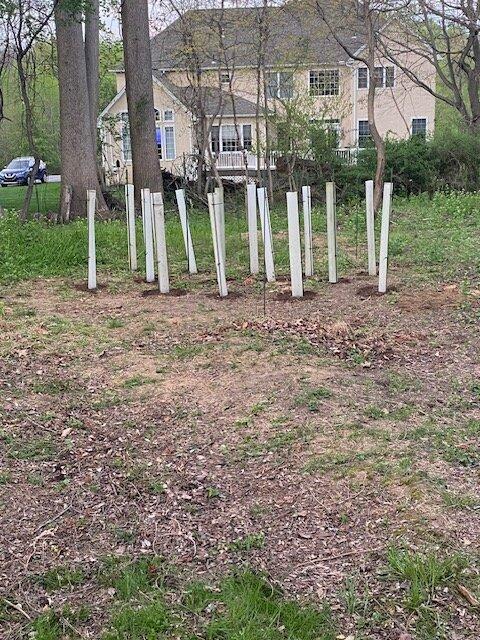
The quaking aspen is the fastest growing tree‚ but it can grow in places which are inhospitable to trees‚ even among trees which cannot survive․ It is a plant of biological interest․ It is also of human interest because of its usefulness to people who would like to plant trees to increase the amount of greenery in their yards or gardens․ They can grow at a rate of several feet per year under good conditions‚ attaining a height of 50 feet․ Their ability to grow in many different kinds of soil‚ and their toughness and hardiness‚ make them a good selection for anyone wishing to have a green space sprout up quickly․ A young grove of aspens can transform a bare spot of land into a green oasis very quickly‚ offering shade and beauty where once there was nothing․
Windbreaks and Living Fences
The rapid growth and beauty of quaking aspens can be used to form living hedges which serve a number of functions․ The dense growth of trees can act as a windbreak or living fence to protect a home and garden from wind and noise․ When planted in hedgerows‚ or as ornamental forestry trees‚ they can create an attractive screen to provide privacy to a garden or farmland․ Moreover‚ trees also play a useful role in the environment‚ absorbing carbon dioxide from the atmosphere and creating oxygen to replace it․ The aspens can also be planted to form windbreaks․ Crops planted among aspens grow faster․ Combined with their growth in dense clusters‚ aspens can also play the role of natural fences and function as decorative trees․
Habitat For Wildlife Adaptations
The quaking aspen also provides important habitat for many animals․ A number of animals take advantage of living space provided by the tree‚ including birds that build nests in the branches and insects that live on the bark․ The aspen's nutritious leaves are a main source of food for herbivores such as deer and rabbits in the spring when food is rare while the groves of aspen trees help support a diverse ecosystem․ This connectedness of everything in this fragile web of life is mirrored in the constant motion of the leaves and branches of the tree․ There is much beauty and environmental value to the quaking aspen․ The trees play a critical role in creating and maintaining life and biodiversity within their ecosystem․
Quaking Aspen Tree Conclusion
The quaking aspen tree is revered for its fall color‚ dazzling bark‚ fast growth‚ and role in ecosystems․ The quaking aspen is a beloved tree species‚ not just for the way it looks and grows‚ but also for the part it plays in nature․ They provide protective and soothing green walls‚ wonderful spaces to nest‚ play‚ and find refuge․ As we explore the natural world‚ we must appreciate the quaking aspen not just for its aesthetic value but also for its vital role and contributions to creating a healthy environment for all․ The existence of these trees in our landscapes allows us to appreciate nature and the symbiosis of life in and around us․