Forest Pansy Redbud Trees | Cercis Canadensis
The Forest Pansy Redbud Trees are small but mighty understory trees, whose round tops look best when nestled under the dappled shade of their taller tree neighbors. This tree is a native of eastern and central North America and commonly found in Connecticut, New York, and southern Ontario. The bright, pinkish red flowers appear on this tree in early spring, before even the foliage starts to emerge. It is a captivating addition to your grove of trees or garden space.
Forest Pansy Redbud Trees Details | Cercis Canadensis Overview
Family: Fabaceae
Light Requirement: Full sun, part shade
Water Needs: Moderate
Height: 20-30 ft
Spread: 25-35 ft
Soil Preference: Moist, well drained
Season of Interest: Early spring
Flower Color: Pinkish red
Fruit: Brown bean pods
Wildlife Value: Birds, Hummingbirds, Butterflies, Bees

Why Forest Pansy Redbud Trees Are Garden Favorites Year-Round
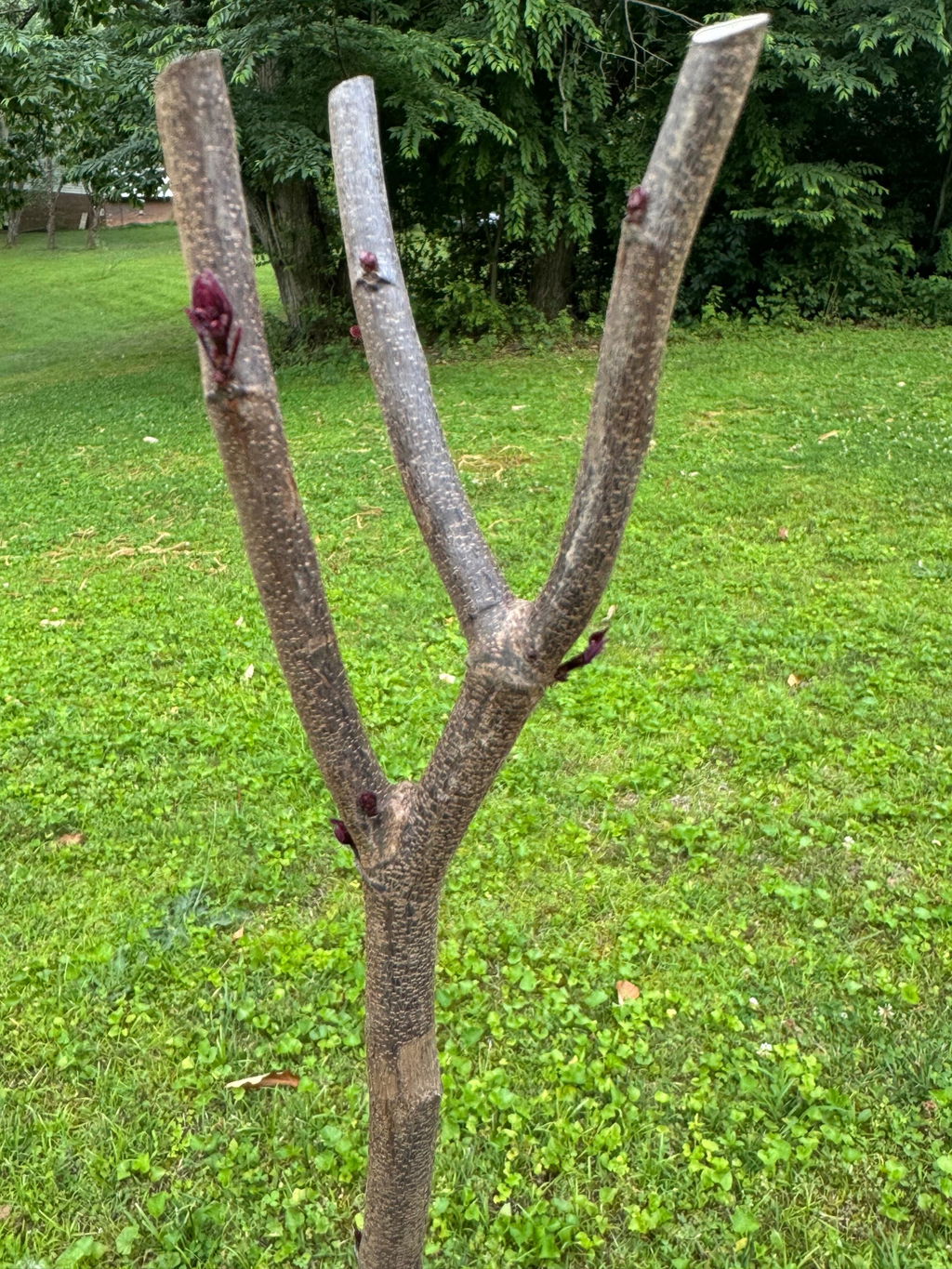
As a North American native, they thrive in the eastern United States' landscape. Once established, they are very hardy and can thrive in many climatic areas. This tree's bare trunk and branches provide visual interest even without the blossoms, because it is a multi-trunked tree that can spread up to 35 feet.
Should you desire, this tree can also be pruned to be a single trunk. The blooms have five large, pillowy petals that range from deep to light pink. The leaves are heart-shaped and rich red. The tree bears brown bean pods that dry and may stay on the branches during winter, creating a unique off-season look.

Customer Reviews
If you’re looking for a premium ornamental tree, the Forest Pansy Redbud from TN Nursery is a perfect choice. Mine arrived fast, well-packed, and in excellent health. It’s already leafing out with bold, colorful foliage. I’m very satisfied with my purchase.
I planted this Forest Pansy Redbud Tree from TN Nursery in a prominent spot, and it’s absolutely stunning. The red-purple leaves shimmer in the sunlight, and the form is very graceful. This is a landscape standout, for sure!
TN Nursery delivered a strong Forest Pansy Redbud Tree with excellent root development. It’s thriving beautifully, with no transplant shock and vibrant purple foliage. A perfect mix of durability and beauty in one ornamental tree.
I’m amazed at how quickly my Forest Pansy Redbud Tree has grown since I planted it. TN Nursery provided a tree that was not only healthy but also well-branched and visually striking. It's a great ornamental choice for any yard.
This Forest Pansy Redbud Tree from TN Nursery arrived fresh and healthy. Its brilliant purple-red leaves are already catching compliments from neighbors. The packaging was professional, and the plant is growing strong. Highly recommended.
How big does Forest Pansy Redbud get?
The Forest Pansy Redbud typically grows 20 to 25 feet tall with a similar spread. It forms a graceful, rounded canopy covered in heart-shaped leaves. The vibrant color and manageable size make it perfect for yards, gardens, or ornamental landscapes.
Where is a good place to plant forest pansy redbud
The good place to plant a Forest Pansy Redbud is in full sun to partial shade with well-drained soil. It thrives in areas protected from harsh winds. Near patios or garden edges. With sunlight and gentle shelter, it shows off its brilliant purple foliage and spring blooms beautifully.
How close can I plant a redbud to my house?
It’s best to plant a redbud tree about 10 to 15 feet away from your house. This gives the roots and canopy plenty of room to grow naturally. With proper spacing, it enhances your landscape without crowding structures or walkways.
Exposure
The Forest Pansy Redbud flourishes in full sun to part shade. It prefers 4-6 hours of direct sun daily but can handle some shade, particularly in hotter climates. Ensure it has good light exposure for optimal blooming and growth.
Height at Maturity
Over 25 Feet
Usage
Flowering
Shipped As
Bare-root
Ships
UPS
Planting Zones
5-9
How To Grow
How to Grow and Care for Bare Root Trees
Bare root trees are shipped dormant without soil, making them lightweight, cost-effective, and easy to plant during the cool months of early spring or fall. To begin, soak the roots in a bucket of water for 4–6 hours before planting to rehydrate them. Choose a sunny location with well-draining soil and ample space for the tree’s mature size.
Dig a hole twice as wide as the spread of the roots and deep enough to keep the root flare (where the roots begin to spread from the trunk) at or slightly above ground level. Create a small mound of soil in the center of the hole, spread the roots evenly over it, backfill with native soil, and gently tamp down to remove air pockets. Water thoroughly after planting.
Keep the soil consistently moist (not soggy) during the first growing season, and apply mulch around the base—avoiding direct contact with the trunk—to conserve moisture and suppress weeds. Stake the tree if necessary, and prune only to remove dead or damaged branches. With proper care, your bare root tree will establish quickly and grow strong for years to come.