
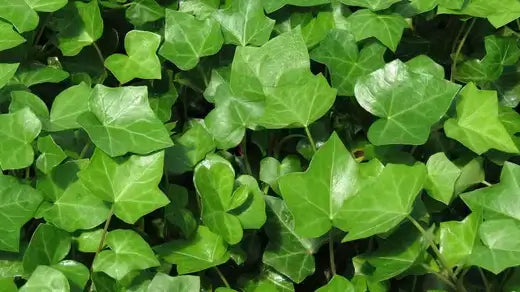
Vine Plants
Vine plants make a beautiful backdrop to your landscape. When choosing a vine to plant, decide where it will grow and the support you can give it. You must also consider what type of trouble it can get into and plan accordingly! Whichever type of vine you choose, ensure that as the plant grows, it is contained within its boundaries and is not allowed to twine around tree limbs or grow onto your house. Clinging vines can work their roots into the mortar between bricks and eventually cause significant damage. Also, please do not allow them to grow onto any structures you want to paint.
Vines For Zone 3Different vining plants need different support systems. A twining vine, for example, must have sturdy poles or boards, such as a pergola, for the new growth to wrap around. Twining plants include Morning glory and honeysuckle. Vines with tendrils, like clematis, passionflower, and grape, need slim structures such as string or wire to climb. Chain link fences are perfect for these types, but if you want to plant them along a solid fence, they will need help, such as a trellis or wire. Clinging vines such as wisteria and winter creeper grow wonderfully on solid objects or walls but will work their way into any holes or weak areas of the wall.
Vinca minor, known as periwinkle and sometimes creeping Myrtle, is a vining ground cover
When planted, it spreads along the ground, usually smothering weeds, but does not climb or twine. Vinca minor is attractive, especially when flowering, but if not carefully contained, it can be invasive to other landscaping areas and difficult to remove.
vining plantsPeriwinkle

