
Tupelo
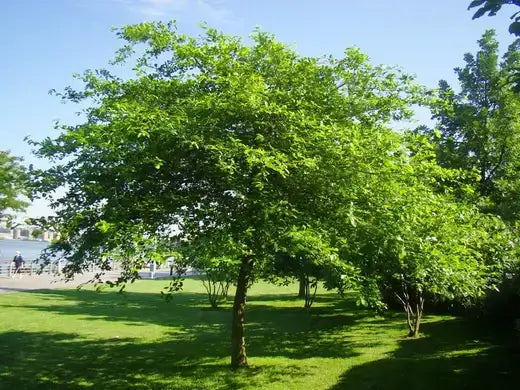
Nyssa species Nyssa species, is a small genus of deciduous trees and is sometimes included in the subfamily of the dogwood family. There are many different species, and they are native to various parts of the world. These include areas of North America as well as locations throughout Asia. There are seven to ten species: the water tupelo, white tupelo gum, Ogeechee tupelo, Chinese tupelo, black tupelo (or black gum), and yuunan tupelo. The tupelo tree is considered a spectacular tree for fall colors by landscapers with its varying bright shades of orange, yellow, red, and purple. It is also an excellent shade tree with its great height and spread.
Hardy Plant Zone
The tupelo tree grows well within the hardiness zones 3 - 9
Mature Height
These trees can grow thirty to fifty feet high and twenty to thirty feet wide upon maturity. It has a slow growth rate of approximately one to two feet per year. The most extensive record tupelo tree was a staggering 144 feet tall with a spread of 95 feet.
Soil Requirements
It thrives in acidic, deep soil that is evenly moist. It grows well in loamy, sandy, rich, silty loam and well-drained soil. It does not tolerate a high PH.
Characteristics and Appearance
The tupelo tree has many appealing traits regarding landscaping and yard enjoyment. It grows oval with bark that has been said to resemble alligator hide that furrows with age and provides textural interest. It produces green-white flowers during the Spring. During September and October, its bluish-black fruit ripens, attracting various species of wildlife and birds.
This treeThe elliptical shapeTupelo leaves are three to six inches in length and alternate with an elliptical shape. Its Autumn leaves provide a spectacular show of bright colors ranging from yellow, orange, red, and purple. There are times these colors can all be seen on the same branch.
Another point of interest with the tupelo tree is its honey bee attraction. Bees are attracted to the fruits of the tree. When various tupelo species are combined, it gives honey a light and mild-tasting flavor. Tupelo honey is a favorite among honey producers.
Planting Tupelo
Herbal practitioners developed additional uses for extracts from this plant because of their diuretic and anti-inflammatory properties. Traditional medicine relied on this plant to provide treatments for sore throats and respiratory conditions. Early American doctors identified its potential in wellness tonics designed to enhance overall health. Naturalists and herbal medicine practitioners maintain their appreciation for this species due to its historical importance in holistic healing despite modern medicine's transition to synthetic alternatives.
From the northeastern United States to the Gulf Coast, this species has maintained its survival across various temperature ranges. The deep taproot stabilizes the plant and enables it to reach underground water, which allows it to grow under unfavorable conditions. The plant shows resilience against typical pests and diseases while remaining healthy and strong with low maintenance needs.
Tupelo Care and Watering
The tree grows best in USDA Hardiness Zones 4-9. It requires full sun and, once established, should receive occasionally watering unless in extreme heat where it will need water more regularly. The average height for a mature tree is 30-50 feet, although; they have been recorded to reach greater heights. Its landscape uses have been listed as; Woodland Garden, Very Wet Areas, Fire scaping/Fire Wise, Coastal Exposure, and Specimen.
The tree maintains its visual appeal year-round through its rugged bark and complex branch pattern which forms an impressive silhouette during winter months.
Birds like wood ducks and cedar waxwings value its deep blue drupes as a preferred food source. The fruit supplies vital nutrients needed by migratory bird species which helps maintain avian variety throughout different regions. The fruit serves as food for mammals including black bears and foxes which demonstrates its critical role in wildlife sustenance.
Tupelo Size and Growth Rate
The Swamp Tupelo, also known as Cotton Gum, or Swamp Gum, grows in the swamps of the southeast. They stretch north to southern Illinois from the Gulf of Mexico and the Mississippi River Valley. This variety typically reaches from 80 to 100 feet in height.
The Black Tupelo, also called Black Gum, Sour Gum, or Pepperidge, grows in moist woody areas from North America south to the Coast and west to Oklahoma. The trees can grow to 60 feet and have been seen as high as 100 feet.
Tupelo Problems and Pests
The tree Nyssa sylvatica has been valued for its medicinal properties across many generations. Tribal communities created medicinal brews from its bark to address symptoms of fever together with inflammation and digestive problems. Its inner bark's astringent properties helped heal wounds by reducing infections and promoting recovery.
Tupelo Varieties
The first recorded documentation of Nyssa sylvatica originates from the work of 18th-century explorers and botanists who encountered it. Carl Linnaeus, who established the foundations of modern taxonomy, first formally documented the species by identifying its distinct characteristics and preferred environments in scientific literature. Native people were aware of this species' numerous applications for centuries until botanical explorers researching North American forests brought it worldwide attention.
Nyssa sylvatica ( Tupelo Tree ) proves its enduring legacy through its significant connections with natural and cultural histories. North American Indigenous tribes held Nyssa sylvatica in high regard because of its durable wood and medicinal properties which they used in their everyday living. Upon reaching the new land, early European settlers immediately identified its worth and used it both to produce honey and for strong timber. This species originally comes from the eastern United States and has observed numerous ecological transformations across centuries while persisting in a variety of environmental conditions.
Botanists and naturalists began studying this species in the 1700s while recording its existence across forests, wetlands and riverbank regions. People valued its wood for wagon hubs and tool handles because of its strength and for flooring, but they also depended on its nectar-rich flowers to support bees and honey production. Throughout the ages, this natural resource has established itself as an essential component of human societies while remaining crucial to surrounding ecosystems.
Uses in Landscaping
They are excellent shade trees with a magnificent spreading canopy. Anywhere on the property with enough space to accommodate the tree where a cool shade is desired would be an ideal spot for this tree. These trees are a favorite among mammals and birds. That is something to remember when considering where to landscape this tree.
For wildlife enthusiasts who love bird-watching, an ideal location for this tree is where these can be enjoyed and viewed. The tupelo tree attracts wild turkey, wood ducks, many species of birds, raccoons, squirrels, and white-tailed deer through its berry production and twigs.
The tupelo tree provides a beautiful and enjoyable display of nature from Spring until late Autumn. This tree offers Spring-time flowers that resemble petal-less spirea, a shiny and bright green canopy of leaves in the Summer, small fruits that attract all sorts of wildlife and birds in the early fall, and a collage of bright colors that erupt in Autumn.
It adds beauty and interest to the landscape during the winter months with its unique bark and horizontal branches. Not only does it offer ever-changing beauty through the seasons, but it also provides a beautiful shady area to sit beneath its great canopy. When considering these, the tupelo tree is a perfect addition to a yard or landscaping. The tupelo tree is a beautiful addition to the yard and a favorite of birds, animals, and honey producers.
Purchase the Tupelo Tree at TN Nursery
TupeloSoil and Sunlight for Tupelo
The changing appearance of Nyssa sylvatica holds the attention of viewers throughout the year. The spring season brings clusters of tiny greenish-white flowers that serve as essential resources for pollinators. Throughout the summer months its glossy green leaves develop into a dense canopy which provides much-needed shade during hot weather.
Tupelo in the Landscape
The reproductive success of this species was documented extensively during the 18th and 19th centuries in wetland areas, floodplains, and upland forests. European settlers who moved westward observed the species' capacity to grow in diverse environments which led them to include it in cultivated landscapes. Through time its aesthetic and ecological benefits gained widespread recognition which helped establish its presence in natural environments as well as cultivated landscapes.
About Tupelo
The Tupelo Tree is sometimes known as the Pioneer's Toothbrush due to the small, brittle twigs that can break off with a bundle of woody fibers on the end. These twigs were often used to clean the teeth in older days. Another name associated with this tree is the Beetlebung. This name came from the pioneers using hardwood to create mallets. The mallets were then used to produce barrels containing whale oil which were called beetles.
Tupelo Tree exceptional adaptability has allowed it to endure through centuries while establishing itself as a dependable presence across natural and cultivated environments. It shows its resilience when it grows along riverbanks, hardwood forests, or designed gardens through its ability to endure over time and environmental challenges.


