Buy Wildlife Friendly Plants Online From a Tennessee Nursery
Feeders and annual food plots help wildlife for a season. Trees, shrubs and native plants support them for generations. Wildlife friendly plants provide the three things every animal needs: food, cover and a place to raise young. Oaks drop acorns, fruit trees and berry bushes provide soft mast, and dense plants give shelter from weather and predators. Plant a mix, and your land becomes a place where deer, turkey, songbirds and small mammals live, not just pass through. TN Nursery has grown plants in McMinnville, Tennessee, for three generations, so every plant you order comes from a family farm rather than a warehouse.


Showing 9 of 19 wildlife friendly plants
Show more wildlife friendly plantsWhat customers say about our wildlife friendly plants
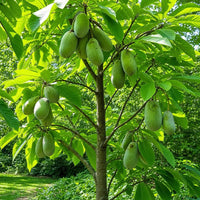 Pawpaw Tree★★★★★4.88 out of 5 · 163 reviews
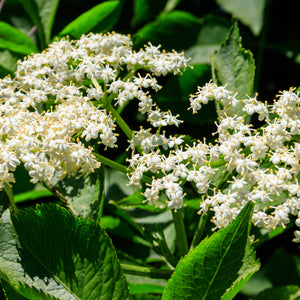
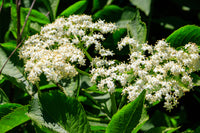 Elderberry Tree★★★★★4.85 out of 5 · 60 reviews
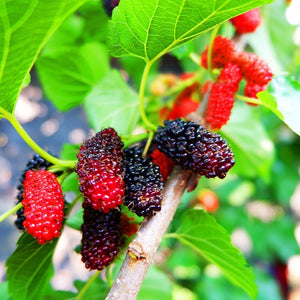
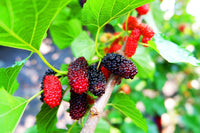 Mulberry Tree★★★★★4.84 out of 5 · 51 reviews
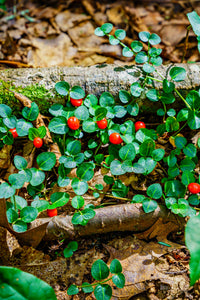 Partridge Berry★★★★★4.64 out of 5 · 50 reviews
 pollinator Plants
 Butterfly Plants
 Birding Plants
 Deer Resistant Plants
 Drought Tolerant Plants
 Privacy
 Food Plot Plants
 Edible Plants
 Fragrant Plants
 Live Tree Stakes
 Saplings & Seedlings
How to Choose Plants for Wildlife
- What’s your growing zone? Use the zone filter above. Our wildlife plants cover zones 3 through 9.
- When do you want food available? Mix plants that fruit at different times. Mulberry and berries ripen in summer, persimmon and pawpaw in fall, and oak acorns fall into winter.
- Do you have food and cover? Wildlife needs both. Pair fruit and nut trees with dense shrubs or wetland plants where animals can hide and nest.
- How long can you wait? Berry plants fruit in a year or two and fruit trees in a few years. Oaks take longer but feed wildlife for a century. Plant some of each.
Trees for Wildlife: Oaks and Acorns
White Oak is one of the most valuable wildlife trees in North America. Its acorns are sweeter and lower in tannins than red oak acorns, so deer, turkey, squirrels, wood ducks and blue jays seek them out first. White oaks also host hundreds of species of caterpillars, which songbirds feed their young. Plant them as a long-term investment: they typically begin producing acorns at around 20 years old, then produce for a century or more.
Fruit Trees for Wildlife
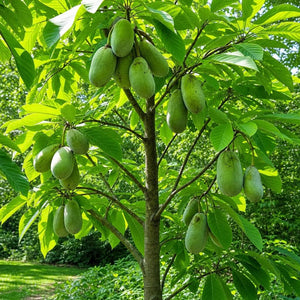
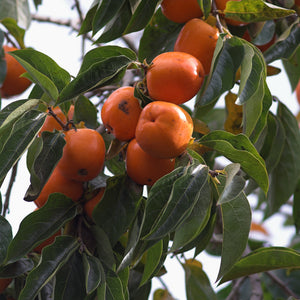
Persimmon drops sweet orange fruit in fall that deer, turkey, foxes, raccoons and opossums all compete for. Persimmon trees are male or female, and only females bear fruit, so plant at least three to five for a reliable crop. Pawpaw produces large, custard-like fruit in late summer that feeds opossums, raccoons, foxes and squirrels, and its leaves are the only food for zebra swallowtail caterpillars. Mulberry fruits in early summer and draws more bird species than almost any other tree, from orioles and cardinals to catbirds and waxwings.
Berry Plants for Wildlife
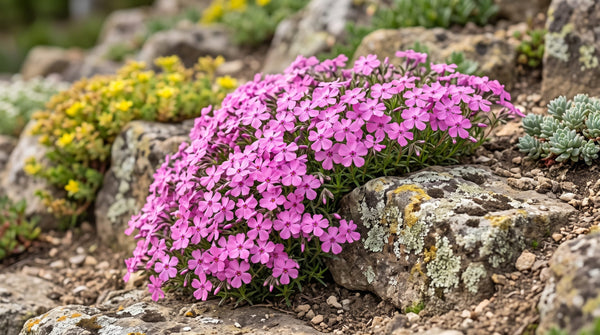
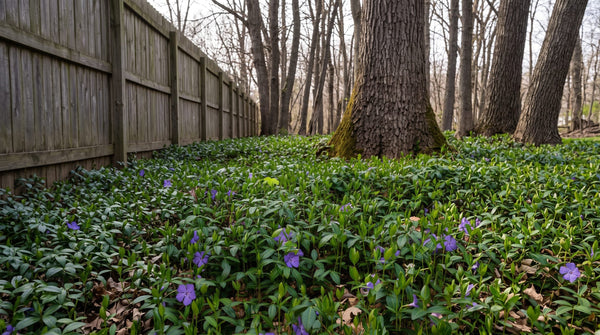
Elderberry and Black Raspberry are fast producers that fruit within a year or two. Songbirds, turkey and grouse eat the berries, deer browse the leaves and canes, and the thickets give rabbits and nesting birds cover. Partridge Berry is a low evergreen ground cover with red berries that grouse and turkey forage for through winter.
Cover and Wetland Plants for Wildlife
Food is only half of wildlife habitat. Cattail creates thick cover around ponds and wet spots, sheltering ducks, red-winged blackbirds, frogs and bedding deer. Dense shrubs and brushy edges between fields and woods are where most wildlife spends its time.
How to Plant for Wildlife
Plant fruit and nut trees along sunny field edges, where they get full sun and wildlife already travels. Space fruit trees 20 to 25 feet apart and oaks 30 to 40 feet apart. Protect every young tree with a tree tube or wire cage for the first three to five years, since deer browse young trees and bucks rub saplings in fall. Skip insecticides; they kill the insects that songbirds and young turkeys depend on. Leave some brush piles, dead snags and unmowed edges, which give wildlife cover and nesting sites.
When Wildlife Friendly Plants Ship
Trees and shrubs ship bare root during our fall planting window, November 15–29. Fall is the best time to plant, because roots keep growing all winter. Ground covers and wetland plants ship now. See our planting instructions for step-by-step help, or browse birding plants , butterfly plants and fruit trees .
FAQ
What plants attract the most wildlife? Native oaks support more wildlife than almost any other plant, feeding deer, turkey and squirrels with acorns and songbirds with caterpillars. Fruit trees like persimmon and mulberry and berry plants like elderberry are close behind.
What is the best tree to plant for deer? White oak. Its acorns are a preferred fall food for deer. For faster results, plant persimmon, which fruits in a few years and drops fruit in fall.
What fruit trees are good for wildlife? Persimmon, pawpaw and mulberry. Persimmon feeds deer and turkey in fall, pawpaw feeds opossums, raccoons and foxes, and mulberry feeds dozens of bird species in summer.
What is soft mast and hard mast? Hard mast is nuts and acorns from trees like oaks. Soft mast is fleshy fruit and berries like persimmon, mulberry and elderberry. A good wildlife planting includes both.
Do persimmon trees need a male and female? Yes. American persimmon trees are male or female, and only female trees bear fruit. Plant at least three to five trees for a good chance of fruit.
How long does it take an oak tree to produce acorns? White oaks typically begin producing acorns at around 20 years old, with heavy crops later. They then produce for a century or more.
Do I need to protect young trees from deer? Yes. Use tree tubes or wire cages for the first three to five years, until branches are above deer height.
Do you ship wildlife plants outside Tennessee? Yes. We grow in Tennessee and ship nationwide.
What if my plant doesn’t arrive alive? Every order comes with our live-arrival guarantee. See our warranty for details.
Buying wildlife friendly plants online: what to know
Start with your zone. Every wildlife friendly plant on this page shows the zones it thrives in, so one marked for your zone is ready for your winters and summers.
Plan for the grown-up wildlife friendly plant
Check the mature height on each card before you choose a spot, so every wildlife friendly plant has room to stretch as it grows.
Bare root, ready to plant
Bare root plants arrive freshly dug and packed ready for planting. Soak the roots, set the wildlife friendly plant at the depth it grew, and water it in well. Most thrive in well-drained soil and a few inches of mulch.
Ask a grower
Want a second opinion? Call our growers at 931-692-4252, or read the warranty page to see how our live-arrival guarantee works.
Wildlife Friendly Plants for sale: questions
Do you ship wildlife friendly plants outside Tennessee?
Yes. We grow in Tennessee and ship nationwide.
How do the wildlife friendly plants arrive?
Each product page says how it ships. Bare root plants arrive freshly dug and packed ready for planting.
Is there a guarantee?
Every order comes with our live-arrival guarantee. See the warranty page for the details.
How do I pick a wildlife friendly plant for my zone?
Set your zone at the top of the page and turn on the zone switch. Every card shows the zones the wildlife friendly plant thrives in.
What plants are good to attract wildlife to my lawn?
What is a poor man's wildlife friendly garden?
What's the easiest wildlife friendly plants to grow?
Not sure which wildlife friendly plant is right?
Talk to a grower at our Tennessee nursery. Tell us your zone and your yard, and we will help you choose a wildlife friendly plant that thrives there.
Why buy wildlife friendly plants from TN Nursery
Grown since 1959
A family-owned Tennessee nursery, growing plants for generations of gardeners.
Freshly dug, bare root
Dug and packed ready for planting, so roots settle in fast.
Shipped nationwide
We grow in Tennessee and ship nationwide.
Live-arrival guarantee
Every order comes with our live-arrival guarantee.