
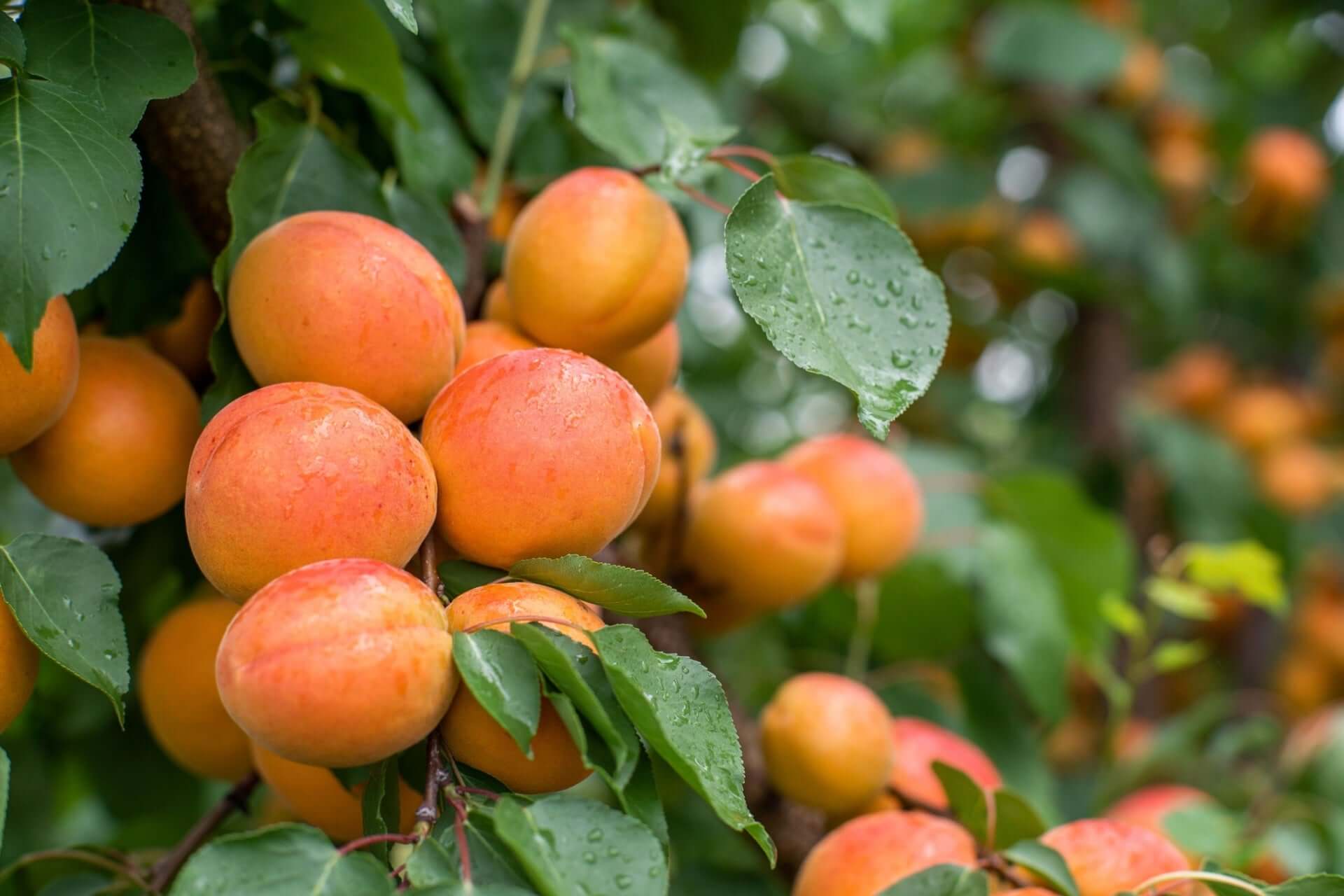
The apricot fruit tree is an alluring addition to any garden, with its rich history and delightful produce. These trees enchant gardeners and fruit enthusiasts, offering delectable fruit and a beautiful display of springtime blooms. While caring for an apricot tree may require some dedication, the rewards of bountiful harvests and gorgeous garden aesthetics make it a worthy choice. For those considering adding an apricot tree to their space, understanding its growth cycle, pollination needs, and ideal planting time can significantly improve the chances of a thriving tree.
How long does it take for the apricot tree to bear fruit?
The timeline for an apricot tree to bear fruit depends on various factors, including age, variety, and growing conditions. Typically, apricot trees begin to produce fruit three to four years after planting. However, some varieties, especially those grown from seed, may take longer to mature and yield their first crop. Grafted apricot trees, which are the most commonly available for home gardeners, are often quicker to bear fruit since they are propagated from mature, fruit-bearing stock.
Growing conditions play a significant role in fruiting. A healthy apricot tree can establish itself more rapidly when planted in optimal dirt and climate conditions. It prospers in well-drained ground with a slightly alkaline to neutral pH. They are naturally adapted to climates with warm, dry summers and cool winters, as the cold winter period helps break the dormancy of buds, thus encouraging robust growth in the spring. The fruiting process may be delayed when the tree experiences fluctuating temperatures or insufficient winter chilling.
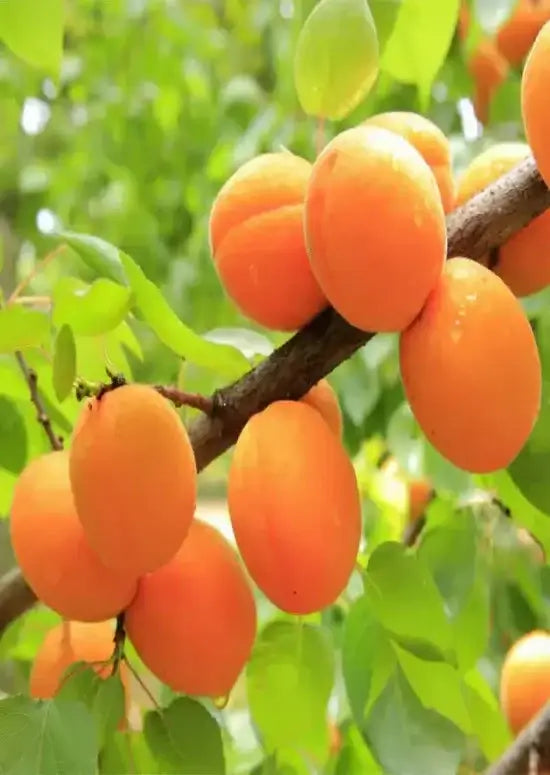
Even when apricot trees begin to bear fruit, the initial yields may be smaller. Patience is vital, as the tree usually reaches its peak production between years five and eight. As the tree matures, it will produce larger quantities of fruit each season, provided that it receives the proper care, including regular watering, pruning, and protection from pests and diseases.
Apricot Problems and Pests
For many generations, people have admired Prunus armeniaca because of its tasty fruit and health benefits. Traditional Chinese Medicine has utilized it in treatments targeting respiratory conditions and digestive problems as well as skin diseases. Historical medical practices used fruit kernels for asthma and cough treatments because they were thought to clear lung blockages and reduce irritation. Skincare formulas benefited from oil derived from its seeds because of the emollient properties of the oil which made it widely used.
Do you need 2 apricot trees?
Apricot trees are often self-pollinating, meaning they can set fruit with pollen from their flowers. This makes them an ideal choice for smaller gardens or limited spaces where planting multiple trees may not be feasible. However, while self-pollination allows a single tree to bear fruit, planting a second apricot tree nearby can significantly increase fruit yield. Cross-pollination between two compatible apricot varieties often results in more extensive and abundant harvests.
When planting multiple apricot trees, it's important to select varieties that bloom simultaneously. This overlap ensures that the flowers from each tree are available to share pollen during the same period, optimizing the chances of cross-pollination. Varieties such as 'Moorpark,' 'Goldcot,' or 'Blenheim' are known for their reliable self-pollination and adaptability to different growing zones.
Moreover, while a single apricot tree can produce fruit, environmental factors can influence the pollination success rate. Planting companion plants or wildflowers that attract pollinators like bees can improve pollination even for self-fertile varieties. This approach not only boosts apricot yield but also enhances the biodiversity and ecological health of the garden.
About Apricot
For thousands of years the Apricot Fruit Tree or Prunus armeniaca has existed with a remarkable historical background. Its origins are traced back to Central Asia, according to scholarly beliefs, while historical data shows its existence in Armenia, China, and Persia. Evidence from archaeology shows that they were cultivated 3,000 years before the common era, which makes them one of the earliest plants humans domesticated. The Silk Road became the primary route through which traders and explorers distributed this fruit tree to diverse cultures. Greek and Roman ancient writings describe its application while Pliny the Elder discussed its attributes. It gained significant appreciation throughout Europe and the Middle East before reaching the Americas where it successfully established itself in regions with appropriate climates.
Are apricot trees fast growing?
Apricot trees are considered moderately fast-growing compared to many other fruit trees. Under ideal conditions, they can grow about 12-24 inches annually. Their growth rate is most vigorous during the tree's first few years as it establishes its roots and structure. Young apricot trees focus on developing a solid trunk and spreading branches, setting the stage for future fruiting.
While the tree's natural growth rate can be impressive, nurturing practices can encourage healthy development. Regular watering, especially during dry spells, is crucial for young trees, as it helps them establish deep roots. Once established, apricot trees are relatively drought-tolerant, but consistent moisture during the growing season supports fruit quality and overall health. Applying mulch around the tree's base helps retain soil moisture and regulate temperature, promoting more consistent growth.
Pruning is another essential practice influencing apricot trees' growth rate and productivity. Pruning stimulates new growth by removing old or weak branches, allowing more sunlight to reach the tree's center. This encourages the development of sturdy limbs that can bear the weight of ripening fruit. Annual pruning is most effective in winter or spring.
Soil and Sunlight for Apricot
Apricot trees are relatively compact , typically reaching 15 to 20 feet. Their size makes them an excellent option for small backyard spaces and more extensive orchards. The spreading canopy provides shade and adds a touch of elegance to the yard. The dark green foliage transforms into golden hues in fall, offering another layer of seasonal interest.
What month is best to plant apricots?
The best time to plant an apricot tree depends on your region, but generally, planting should be done in late winter or early spring. This lets the tree grow its roots before the summer heat arrives. Fall planting is excellent, giving the tree ample time to acclimate to its new location before the more active growing season.
When planting in early spring, waiting until the soil is workable and not overly saturated from winter rains is essential. The chosen planting site should receive full sun, as apricot trees need at least six hours of direct sunlight daily to thrive. A sunny spot supports healthy growth and ensures the tree can produce high-quality fruit with good sugar content. Protection from solid winds also prevents the young tree and its flowers from damage.
Soil preparation is crucial when planting an apricot tree. Compost can enhance the soil and fertility while ensuring the planting hole is broad and deep enough to accommodate the tree's root system. After planting, water thoroughly.
Apricot Fruit TreesOnce established, apricot trees require regular care to keep them productive and healthy. This includes maintaining a watering schedule, especially during dry periods, monitoring for pests, and applying balanced fertilizers in the spring to support fruit production.
Apple Fruit Tree Apricot Fruit TreesBy understanding the apricot tree's needs, gardeners can enjoy a fruitful addition to their landscape for years. The beauty of apricot blossoms in spring and the promise of a summer harvest make these trees advantageous for those who appreciate the connection between nature and nourishment.
Fast GrowingPlanting Apricot
Fruiting apricots apricots are native to western China and have been grown in the Middle East for thousands of years. Plant breeders have produced several cultivars that thrive in USDA Hardiness Zones 4 to 9. They are self-fertilizing, so one tree is sufficient to produce fruit. They start producing fruit as young as two years of age. A mature dwarf tree can produce 50 pounds of delicious fruit yearly, and a mature full-size tree can produce 200 pounds yearly.
To grow your apricots, you need to plant some fruiting apricot trees. These trees can be used for landscaping, shade, and fruit; full-size trees mature to around 20 feet tall and wide, semi-dwarfs at 15 feet, and dwarfs at 6 feet. The trees have lovely dark green foliage and produce large amounts of pale violet flowers very early in the spring.
The earliest known interactions with the Apricot Fruit Tree occurred alongside the civilizations that grew it. Ancient Chinese texts from the Han Dynasty (206 BCE-220 CE) show that people used the fruit for cooking and healing purposes. The Silk Road enabled it to extend westward and become highly sought after throughout Persia and the Mediterranean region. The Roman Empire had adopted widespread cultivation of them by the first century CE after Greek and Roman scholars recognized its valuable characteristics. Dioscorides' Greek medical texts outline its healing properties while Roman agriculturalists perfected methods to boost its development. This plant established itself as a fundamental crop across multiple regions that experience hot summers and possess well-draining soil conditions.


