
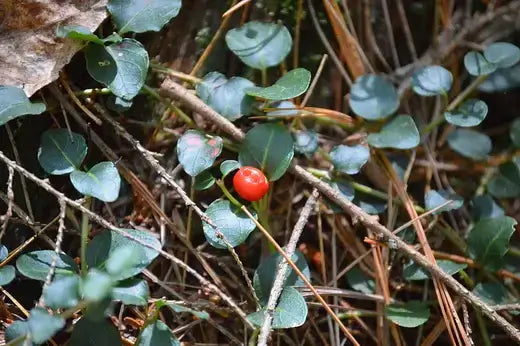
Habitat of Mitchella Repens
Mitchella repens‚ more commonly known as partridgeberry‚ is a type of perennial evergreen flowering plant which is native to North America․ This type of plant generally grows and spreads along the ground‚ often crawling in the underbrush at the bottom-most terrain between roots‚ and in the shade of the larger trees above․ It is an evergreen perennial with shiny‚ small leaves and diminutive white‚ star-shaped flowers․ It is much sought after by botanists and wildflower enthusiasts․ Not only is the Mitchella a beautiful ornamental plant but it also deserves special attention on account of its ethnobotanical importance‚ ecological interest and the odd character of its life history and mode of reproduction․ These and other subjects we shall consider in the following discussion of it and its various aspects and secrets hidden in a green carpet of the woods․
Mitchella repens is commonly found in deciduous forest understory areas‚ also known as shaded woodland․ It grows best in moist‚ acidic soil conditions and can often be found densely carpeting the forest floor beneath larger plants․ Partridgeberry also grows in semi-shade and is potentially able to adjust to a more shaded habitat․ Partridgeberry is able to grow in areas that do not have optimal lighting which allows it space where other plants do not thrive as well since they cannot claim a spot․ Mitchella is not only tied to the earth beneath it‚ but also serves as an important part of the ecosystem in the environment around it․ The plant has shallow‚ spreading roots that allow it to absorb the soil nutrients it needs without aggressively competing with other plants for nutrients and sunlight․
Impact of Mitchella on Biodiversity
In addition to its ecological role‚ Mitchella repens has been used in folk medicine by some indigenous peoples of North America‚ who have used various plant parts including leaves and berries as ingredients in herbal remedies․ Traditionally‚ many practitioners of herbal medicine used the partridgeberry plant to cure digestive diseases and women's diseases․ The leaves are said to contain ingredients that could help settle a person's stomach and improve their overall health․ The modern rediscovery and validating of Mitchella repens' former uses provides an important illustration of the role that customary knowledge can play in the understanding of a plant's pharmacological properties․
Mitchella repens has other interesting aspects worth mentioning beyond its potential as an herb․ Other components of Mitchella repens's life cycle have stoked scientific interest‚ as will be discussed below․ Partridgeberry does not have a generalist relationship with pollinators‚ such as bees and small insects․ Pairs of flowers are hermaphroditic (self fertilizing)‚ thus ensuring that the stigma of the carpel is fertilized with the pollen from the anther of the same flower․ Pollinators are attracted to the perfume of the flowers and as they move through the flower head this process assists in the pollination of Mitchella․ Insects that perform this function are considered essential for effective pollination of Mitchella‚ and more broadly in the ecosystem‚ for the transference of pollen․
Mitchella repens appears to ease the diversity of its microhabitat and can prevent soil erosion․ It can also provide habitat for and shelter other native plants․ In doing so it creates a habitat that may offer both food and shelter for birds‚ small mammals‚ and insects that use the habitat created by this plant and others that grow in the same area․ Although the berries of the partridgeberry plant are edible‚ they are not frequently eaten by humans․ However‚ the berries are an important winter source of nutrition for birds and other types of wildlife․ Ecologically‚ Mitchella is an important member of the forest community and encourages diversity within it․ Such plants are important in today's ever-changing world of habitat loss‚ where the importance of biodiversity is critical․
Propagation Techniques for Cultivating Mitchella
If you want to know how to propagate Mitchella repens‚ the good news is that it is easy to grow the plant from seeds and cuttings․ Both methods come with pros and cons․ While seeds will propagate the plant‚ they require a cold stratification period‚ or cold (i․e․‚ winter) treatment‚ which mimics outdoor conditions․ By contrast‚ cuttings from healthy‚ mature plants will strike roots with relative rapidity if planted in moist soil‚ allowing propagation to progress quickly․ Because the plant grows in shady spots in certain types of soil‚ the best way for the gardener to grow this plant is to try to replicate its natural environment․ Mitchella can thus be used to bring beauty and ecological diversity to the local area in which it is grown․
In addition to being a low growing vine that spreads and crawls along the ground through out the forest‚ Mitchella repens has played a role in sustaining a diverse ecosystem and has benefitted a variety of other species․ Everything from the habitat it grows in to the way in which it gets pollinated illustrates the connectedness of species and their uniqueness․ It can be used for garden cultivation for aesthetic and ecological purposes․ Appreciation for the value and other attributes possessed by Mitchella repens can inspire a deeper respect for the planet‚ and its environment‚ and the complex relationships between interdependent organisms that support life․ As we marvel at this plant‚ let us also remember the wisdom in nature and carry on the tradition of cherishing and protecting the green treasures of our planet․


