Bare Root Planting Guide
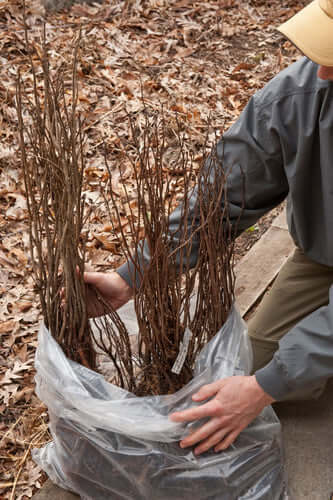
Growing gardens is now feasible, and with the increasing popularity is a cost effective method: growing bare root plants. Simple with the right attention stem and root wrapped in the burlap. Armature gardeners may find this method rather worrisome, but if applied correctly, bare root plants can flourish into attractive additions in gardens and yards.
What are Bare Root Plants?
These are dormant plants and more economical than potted plants. As the name suggests, bare root plants and other perennials, vines, ground covers, wet land plants and even trees are more affordable to ship and store. Bare root plants are at their high demand, target season during the early springs, but are also available during late autumn.
Categories of Bare Root Plants
Perennial Plants
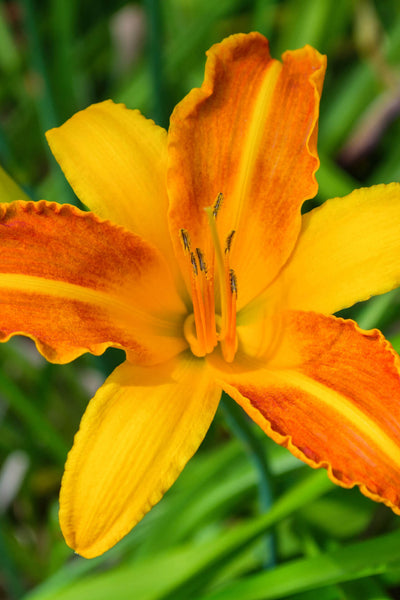
These are plants which come back every year with new life. The advantage of bare root perennials is that they help to create a sustainable garden at a lower price than potted plants. Hostas, daylilies, and peonies are just some examples of perennials that can be found bare root.
Vines
Clematis, wisteria, and honeysuckle are all vines that can be found bare root, and they make fantastic additions to fences, trellises, and natural ground cover. These fast-growing vines are great additions for gardeners looking to cover empty spaces or create a beautiful background.
Wetland Plants
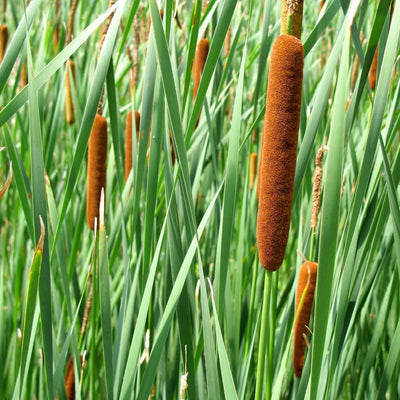
Cattails, water irises, and marsh grasses are examples of wetland plants that are mostly found around ponds and streams. You can plant them bare root to enhance a water garden or to make natural wetlands.
Ground covers
Bare root ground covers are best for planting bare roots to cover big spaces, to control weeds, and to enhance the beauty of a garden. Creeping thyme, and ajuga are some of the popular bare root plants which are great for lightly shaded or low maintenance areas.
How To Plant Bare Root Plants
By following these steps, you will be able to plant your bare-root plants and enjoy beautiful flowers for many years to come.
Consider the Best Location
With plants, physical location is critical. Sun, water, soil pH, and soil composition are the basic determinants of thriving. For instance, wetland plants do best in places that are consistently moist, while perennials do best in full suns.
Consider the Plants Suitable for Your Garden
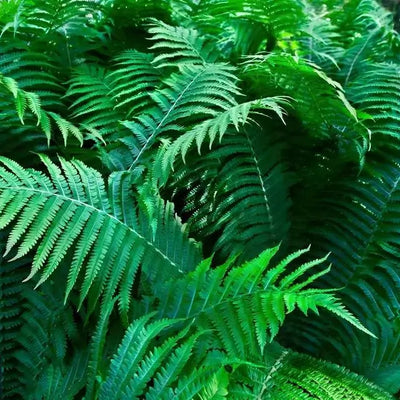
After matching your garden with the right plants, next, you need to research the plants best suited for that area. For a garden that receives full sunlight, you can plant daylilies and lavender, while shady spots are ideal for hostas and ferns. You should be aware that there are many bare-root plants, and you should select the plant that will do well in your garden.
Look At Your Plant Before Planting
Before you start with bare root planting, you need to check for root damage. Look for withered leaves, signs of insects, and broken or dried-out roots. Roots that are firm and moist are healthy, and without any visible damage.
Planting Your Bare Root Plant
Make a hole that is two times to the size of the root ball. If the root ball is four inches wide, the hole you make should be 8 inches wide, or 8 inches in diameter. Place the plantin the hole, and the crown or where the roots and the stem join, should be at the level of the soil. Layer the roots with the soil, and then lightly press it to avoid the air pockets. As you water the plant, it helps settle the soil and also helps in the begining stages of root setting.
Regular Care and Watering
Besides the root nap, it is important to make sure that soil remains moist but not overly saturated. Proper care should be provided such as the right amount of sunlight, water, and the occasional use of fertilizer to ensure healthy growth of the plant.
Benefits of Bare Root Plants
Low Cost: Bare root plants are cheaper than potted plants because they are sent without soil.
Better Root Systems: Dormant roots having a greater probability of developing strong root systems after planting are easier to establish.
Expansion of Options: More plants that are popular and even uncommon appear in the market in bare root which increases the choices that can be incorporated in a garden.
Setbacks of Bare Root Plants
Rudimentary Stages of Organism Growth: The period of time after planting a bare root plant can be especially troubling. If the plant is unprotected to stress because it is rootbound, it will not thrive.
Specific Time of Year: Rooted bare plants are the only form in which it is easy to find in stock and purchasable during certain times of the year, and it is not easy to plant the bare roots on demand.
Reduced Moisture Retention: Exposed to the environment and out of a pot, these plants can become dehydrated and lose moisture, especially if the transport spent is long.
Conclusion: Start Daily By Feeding Your Bare Root Plants!
Bare root planting is a planting technique that is very useful to the garden and also helps economically. By choosing the correct plants that would suit the conditions of both your garden and the planting techniques that have been outlined in this guidance, you would be able to have healthy and beautiful plants. If you are in search of bare root plants, visit TN Nursery, your online nursery store for a variety of bare root plants!
FAQs Regarding Bare Root Planting
Do I need to soak bare root plants before planting?
Yes, especially these certain types of plants. Soaking helps the roots save moisture once the plant is put in the ground. If the roots look very dry, you can hydrate them by soaking the roots in water for 2 to 4 hours, or even overnight. Soaking them for more than 24 hours can waterlog the roots and can lead to root rot.
How do you prepare bare roots for planting?
Take bare roots and place them in water for a few hours to enable them to reconvene. Cut any roots which look like they’re damaged and check that from there the plant is healthy. Also, you better dig a hole that is described as 2 times the size of the root ball, that exactly has to be dug before placing the plant in the ground.
What are the disadvantages of bare root plants?
People love bare root plants for the advantages they have, however, there are some trouble conditions that come with them. As soon as the roots are exposed they tend to dry out and can’t be stored, which means they need to be planted quickly. In the first few weeks of root planting, the plants go through what is known as a “shock” period, which is very common.
Can you plant bare root plants in fall?
It is true that there are many bare roots which can be planted in the fall and are known to be “cold hardy”. Also, fall is a splendid season to plant bare roots. The reason is that temps are on the cooler side, which prevents plants from dying before the rough winter. Just don’t plant them in the ground if there are frozen roots, as that can hinder healthy root growth.
Can I plant bare roots straight into the ground?
Yes, you may plant bare root plants straight into the soil. Be sure that you dig a hole that is adequately wide enough to accommodate the roots so that the roots do not bend and they may be placed into the soil where the crown meets the soil. Like any other plant, be sure to water the newly planted plant as the watering helps the roots to settle.