
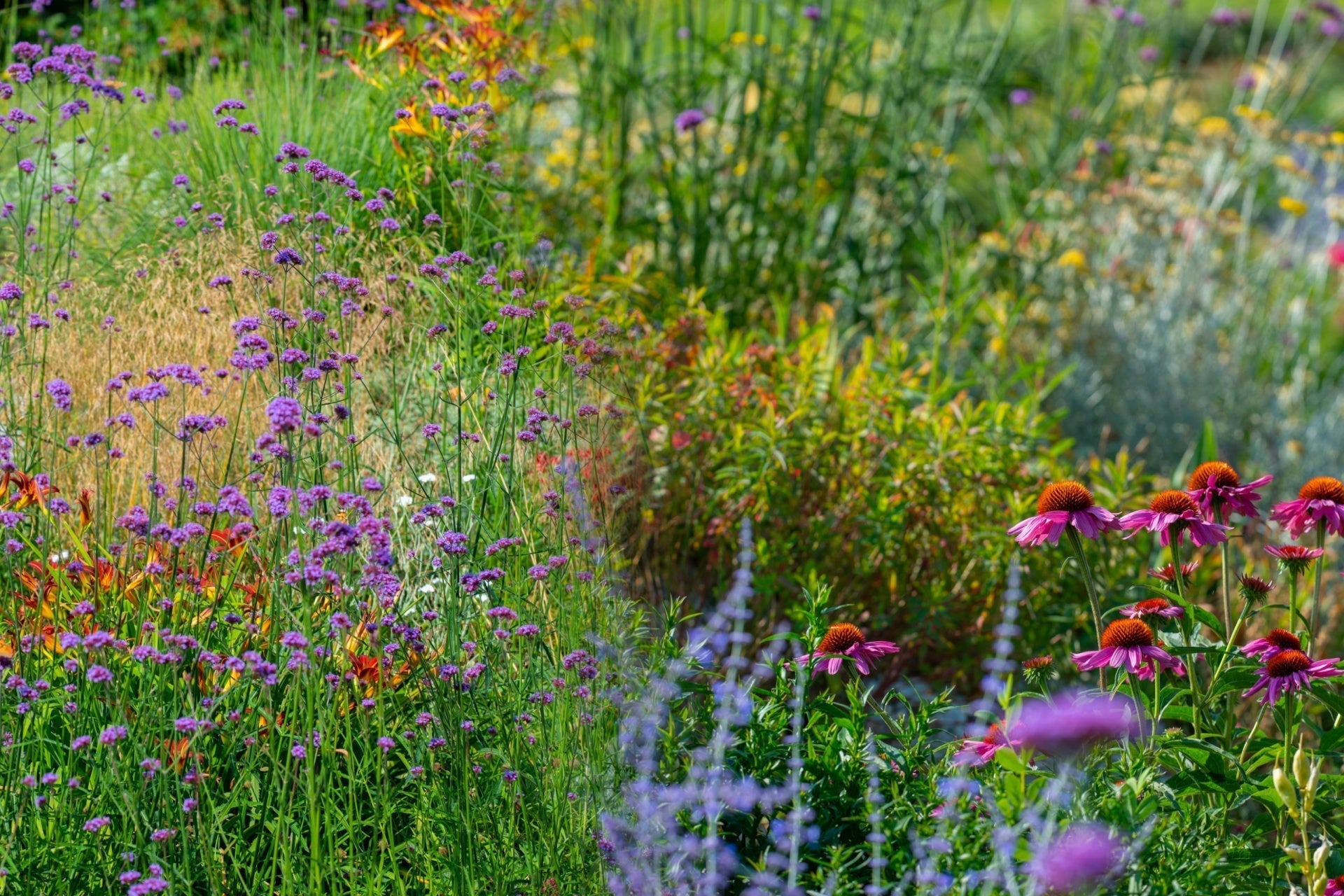
Your garden comes alive with colour, scent, and life in the summer. Plants that do well in warm weather love the sun and will add beauty and energy to your outdoor areas. These plants that like to be in the sun will not only make your yard look better, but they will also bring in pollinators like bees and butterflies, which is good for the environment.
It's simpler than you think to design a summer garden that is full of warm weather plants. If you choose the right mix of summer garden flowers, you can enjoy blooms from early June to late August. They will also add colour and structure to your yard.
Why Summer Garden Flowers Make a Difference
Putting in summer garden flowers does more than just make the area look nice. They also help wildlife by giving good bugs food and a place to live. Plants that do well in warm weather, like zinnias, coneflowers, and marigolds, don't mind the heat.
Besides that, these flowers can:
- Help food gardens nearby get more pollination
- Make patios and garden beds look nicer during different seasons
- Keep pests away naturally.
Choosing flowering plants for summer will give you a garden that is always in bloom and looks great all season.
Top Warm Weather Plants for Your Garden
Summer is when plants have lots of leaves and bright flowers. When planning your warm-weather garden, think about these standout plants that do well in the heat.
Blanket Flower
It's called Blanket Flower and its petals are fiery red and gold. That is one of the best warm weather plants for places with lots of sun and dry soil. As soon as it's established, it doesn't need much care and blooms nonstop all summer long.
What gardeners love about it: Bees and butterflies like blanket flowers, and they add bright, long-lasting colour to borders and beds.
Butterfly Milkweed
Butterfly Milkweed is another favourite to grow in the summer. Monarch butterflies can't stay away from this plant because of its beautiful orange flowers. This plant is a must-have for any butterfly-friendly yard. It adds colour and does best in full sun.
Tip: Plant it with black-eyed Susans and coneflowers to make a heat-tolerant insect patch that blooms all summer.
Orange Daylily
Orange Daylilies are one of the most traditional flowering plants for summer gardening. Their trumpet-shaped blooms show up in the middle of summer and come in a range of warm colours. They are very hardy and work well for both borders and places where plants have grown naturally.
Plus, once they're established, daylilies can handle drought and do well in most types of soil, which makes them great for gardens that need little care.
Zinnias and Marigolds
They are some of the best plants for summer because they bloom all season and have bright colours. There are red, yellow, pink, and orange zinnias, and sunny gold and orange marigolds that keep pests like aphids and worms away.
Put them together for a bright show of colour from June until the first frost.
Coneflowers and Black-Eyed Susans
Both types are great bright summer flowers that can handle the hottest days. Coneflowers give the arrangement height and structure, and Black-Eyed Susans add a bright pop of colour. They are the main parts of a sunny perennial plant.
Butterflies and bees are drawn to their nectar-rich blooms, which keep the yard alive all season.
Tips for Designing a Vibrant Summer Garden
Combining colour, texture, and function is the key to making a warm-weather scenery that thrives. To get started, here are some steps you can take:
- Pick the right spot - Warm weather plants prefer full sun, so look for places that get at least six hours of straight sunlight every day.
- Use types that can handle drought - As the summer goes on, many flowers, like Butterfly Milkweed and Blanket Flower, need less water.
- Make plans for constant bloom - Mix early, mid, and late summer bloomers to keep the colour going all season.
- Cover the earth with mulch - This helps keep the soil moist and keeps plant roots cool during heat waves.
- Help pollinators - Add plants that are high in nectar to make a place for butterflies and bees to live.
Why Warm Weather Plants Thrive in the Heat
Warm weather plants, in contrast to their cool-season counterparts, are made to withstand prolonged exposure to sunlight. They do well where others fail because their bigger leaves, deep roots, and structures that can handle heat help them grow.
These improvements make them great for growers who want color without having to water or care for them all the time. They can stay flowering wonderfully even in the middle of summer if you prepare the soil and prune them frequently.
Creating a Low-Maintenance Summer Oasis
Focus on natural and perennial plants to make your garden look nice and be easy to take care of. Native plants are naturally adapted to the weather in your area, so you won't have to use fertilisers or water them all the time.
You can make your summer area even friendlier by adding things like birdbaths, mulch paths, and flower pots. Visit gardening.org for ideas on how to choose bright summer flowers and more growing advice.
FAQs
Summer Oasis
What is the best plant for hot weather?
Blanket Flower, Butterfly Milkweed, and Orange Daylilies do really well in places that are hot and dry.
What is too hot for plants to grow?
Most summer plants can handle temperatures up to 90°F, but annuals that don't get enough water may become stressed if the heat lasts longer than that.
How do I care for summer garden flowers?
To keep the plant flowering, water fully but not too often, use mulch, and remove the spent flowers.
Can I grow bright summer flowers in small spaces?
Yes! To add bright colour to porches or patios, try gardening in containers with Zinnias, Marigolds, or small Daylilies.


