
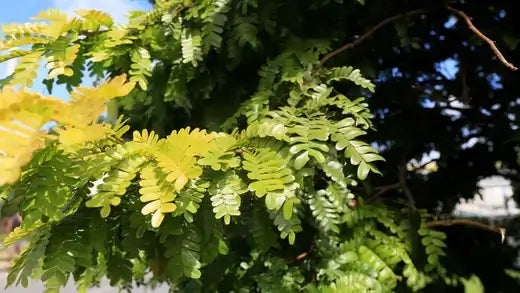
Enhancing Landscapes with Native Trees
In recent years‚ the benefits of the use of native trees in the landscape have been more widely recognized․ Native trees are trees that have been naturally observed in an environment‚ or area‚ without human intervention or extreme management․ While native trees are often used for their beauty‚ they can also provide numerous ecological benefits‚ making them a great choice for eco-conscious gardeners and homeowners․ In this chapter‚ we examine the beauty and ecological benefits of native trees‚ presenting how they can provide an ideal balance of aesthetics and function‚ and encouraging a greater appreciation for local tree species in our yards and communities․
The most important reason for planting native trees is that trees like these can better sustain helpful ecosystems because they are more adapted to the region's soil‚ climate‚ and wildlife․ They are generally less affected by environmental stress․ Native plants use less water and fertilizer than newly introduced species‚ making their ecological footprint smaller than that of non-native species․ They also provide habitats and food for local species such as birds‚ butterflies and other insects‚ which can increase the health of the overall ecosystem․ By planting trees native to the area‚ we can help ensure that these fragile ecosystems‚ which support all forms of life‚ are sustainable in the long term․
Creativity and an understanding of the local landscape‚ topography‚ geology and climate‚ are key to the successful design of landscape spaces of native trees that have a connection to nature‚ as well as offer functional outdoor spaces: in gardens‚ for example‚ native trees can be used as a focal point or statement‚ or as a backdrop for outdoor activities․ Utilizing tree clusters or groups in the landscape provides a natural look that promotes tranquillity and peace․ The concept of planting native trees in layers also creates visual interest while helping to collect rainwater to increase water retention within the forest․ Arranging and grouping the trees in a certain pattern can create beautiful‚ sustainable landscapes and can be a useful tool for forest landscape designers․
Why Selecting Native Trees is Important
It is important to select the right native tree species for the landscape․ Learning what trees grow well in a region as well as the soil‚ moisture‚ and sun conditions of your area can assist in choosing native trees for your landscape․ Native trees come in a wide variety of sizes‚ shapes and growing patterns․ If shade is your goal‚ you could plant tall oaks or sycamores‚ but if you are looking for color‚ flowering trees like dogwoods or redbuds can be used in a smaller space to provide some color and beauty without requiring a huge tree․ When using native plants in the garden‚ it is useful to combine a variety of indigenous species for a rich‚ diverse effect․
Although native trees can often require less maintenance than non-native trees‚ they do still require a certain level of care to ensure they remain healthy․ For example‚ native trees are often much better suited to the conditions‚ though it is still advisable to regularly look for any pests or diseases․ Recommended practices include regular mulching at the base of trees to retain moisture and suppress weeds‚ wise pruning a few times a year to maintain healthy‚ attractive growth‚ and regular inspection to identify and address problems with the trees․ Working with local horticulturalists or gardening associations can provide additional tips and advice for successful upkeep of native landscaping projects․
Habitats Help Support Biodiversity
Planting native trees also creates habitat for wildlife․ Habitat trees are important to biodiversity․ They provide nesting sites for birds and other animals and also provide other benefits to wildlife․ Birds may eat the fruit and seeds; mammals may rest in the trees out of direct line of sight of predators․ Some trees have associations with native insect pollinators for normal reproduction․ When we landscape with native plants‚ we invite nature into our backyards․ Native birds enjoy the shelter of the overhanging branches‚ the butterfly flies from one native flower to another‚ and we are reminded that nature is not always something found far away‚ often living right in our own backyards․
In summary‚ we have highlighted the numerous benefits of choosing native trees for landscaping‚ including supporting local wildlife‚ improving biodiversity‚ and promoting sustainable ecosystems․ We hope that this article has inspired you to consider incorporating native trees into your landscape design projects to create a more harmonious‚ environmentally-friendly environment in your area․ In making our world a more beautiful and sustainable place‚ we may want to consider the diversity of native trees and their role in the aesthetics of native ecosystems․ We may also want to consider how‚ when we visit our local nursery and decide on trees to put in our yards‚ we can be creating not an enviable yard‚ but an enviable ecology․ When we plant native trees‚ we plant health and wellness for our communities‚ our environment‚ and ourselves for generations to come․


