
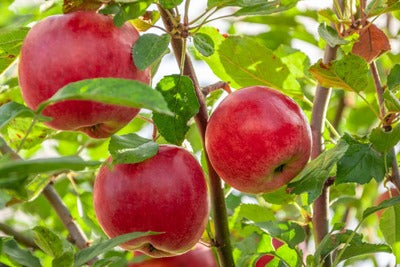
Growing Fruit Trees in Tennessee can provide the delight of home gardens with the harvests of fruits in the backyard of the Tennessee homeowner. Fruit trees for backyard orchards are ideal in Tennessee due to its moderate climate, fertile soils, and long growing period of 6 to 8 months. Eat juicy peaches or crisp pears; pick varieties that have been modified to meet regional conditions, and you will have a productive harvest of trees that will keep you happy for a lifetime.
At TN Nursery, we have assisted many Tennessee gardeners in having successful backyard orchards through our decades of experience in growing high-quality and climate-suited Fruit Trees that yield consistent harvests.
Why Tennessee Is Ideal for Growing Fruit Trees
The 6a-8b zone offers Tennessee enough chill hours required by temperate fruit and warm summers to perfectly ripen harvests. Rainfall of 40-55 inches equals 40-55 inches of yearly rainfall, which, on average, meets irrigation requirements, and as such, healthy trees are naturally growing. The growing period lasts 180-220 days, which is enough to make the fruits mature and acquire a better taste.
The soil in Tennessee is rich and loamy, and it retains moisture and nutrients, as well as sustaining healthy soil organisms and microbial life that boosts the health of the roots. These soils are further amended with compost and organic material, thus making them even more productive. TN Nursery deals with fruit trees in Tennessee that are in tandem with the climate patterns in the region, making the establishment process faster, and fruit production is also achieved at an earlier stage.
Key Factors to Consider Before Planting Fruit Trees
The knowledge of how to plant fruit trees begins with the correct planning:
- Space Requirements: The majority of the fruit trees for backyard orchards require 15-25 feet of spacing to allow free air to circulate. Dwarf types need a minimum of only 8-12 feet between trees, and these types suit smaller yard areas.
- Pollination Requirements: Fruit trees are being cross-pollinated by a wide range of other varieties; she needs to be able to cross-pollinate. Pears, some plums, and apples require pollinator partners. Self-fertile ones, such as some peaches and figs, make it easier to plan. TN Nursery includes comprehensive pollination information on every variety.
- Light and water: Fruit Trees require complete sunshine (6-8 hours per day) to produce the maximum amount of fruit. Root rot is prevented by well-draining soil. Frost damage is in low-lying areas that should be avoided.
- Chill Hour Requirements: Various fruits require certain hours of winter chill in order to overcome dormancy and to set fruit. In Tennessee, there are 600-1200 chill hours per location. The use of area-matching varieties ensures uniform production.
Top Fruit Trees to Plant in a Tennessee Backyard
- Peach Trees (Prunus persica): The official fruit of Tennessee grows all over the state. The Peach Trees bear sweet and juicy fruit from July to September. Select disease-resistant cultivars that are Southern-bred. Self-pollinated varieties make it easier to grow in the backyard. One of the most common fruit trees in Tennessee is a home orchard.
- Moonglow Fruiting Pear (Pyrus communis 'Moonglow'): The Moonglow Fruiting Pear brings huge, sweet pears of smooth texture. Zone 5 cold-hardy and fire blight resistant. Later in the summer, the skin is golden-yellow. Needs pollinator mates such as Bartlett or Kieffer.
- Black Walnut Tree (Juglans nigra): The Black Walnut Tree is a good source of nuts and hardwood. Tennessee Native with natural pest resistance. Extends to 50-75 feet, which is befitting larger estates. Self-pollinating, though, yields better with more than one tree.
- Brown Turkey Fig Tree (Ficus carica 'Brown Turkey'): The Brown Turkey Fig Tree is a success in the areas of Tennessee with warm weather. Bears are sweet and purple-brown twice a year, first in the early summer and then in the fall. Naturally compact (10-15 feet) and self-pollinating. It is one of the most beginner-friendly, low-maintenance fruit trees.
Low-Maintenance Fruit Trees for Home Gardeners
Low-maintenance fruit trees enable busy homeowners to have easy access to backyard orcharding:
- Fig Trees: The top in the list of low-maintenance fruit trees in Tennessee is Fig Trees. The Brown Turkey and Celeste varieties require no spraying and little pruning, and they can withstand drought when well established. They give yield to stable crops without cross-pollination.
- Persimmon Trees: Persimmon trees are immune to pests and diseases. Having been formed, they cultivate on rainfall only and need no fertilization. Native persimmons present autumn harvests with zero care except for the initial watering.
- Paw Paw Trees: Paw Paw Trees stand the shade more than the majority of Fruit Trees and are almost immune to any pests. Their tropical-flavored fruits become ready in the fall. Perfect for naturalized forest planting. TN Nursery suggests them to customers who are interested in having fruit trees for the backyard and do not require strict maintenance programs.
Care and Maintenance Tips for Healthy Fruit Tree Growth
- Planting Guidelines: It is important to know how to plant fruit trees, and this creates good foundations. Create holes of the same depth but 2-3 times the width of root balls. Add fertilizer (compost) to enhance drainage. Plant graft unions elevated 2-3 inches above the soil. Completely irrigate after planting fruit trees and put 3-4 inches of mulch around the bases.
- Watering and Feeding: The First Season. Watering New Fruit Trees should be watered deeply once a week during the first season. Most of them endure dry seasons once they have come into being. Use equal parts of fertilizer at the beginning of the spring. It is important to avoid late-season feeding and promote tender growth that will be destroyed by winter.
- Pruning Basics: Annual pruning ensures that structure and production are used to the maximum. Prune the shrub in late winter (before the growth of new leaves). Eliminate dead, diseased, or crossing branches. Open tree saplings to increase air circulation.
- Pest and Disease Management: Planting fruit trees that are naturally resistant to diseases does not need many sprays. Check periodically in case of typical problems. Most of the problems are avoided by using good cultural practices such as proper spacing, good drainage, and pruning on an annual basis. To obtain more information on growing, visit the USDA Plants Database.
- Seasonal Care: Spring activities involve fertilizing and mulching. Durations in summer need watering. Fall cleanup eliminates fallen fruit, which contains diseases. Protecting young trees—wrap trunks against sunscald and animal destruction during winter.
TN Nursery also offers detailed care instructions with each tree purchase, which will guarantee the success of your fruit trees for backyard orchards.
Conclusion
Fruit Trees convert Tennessee backyards into a fruitful land that produces homegrown harvests over the years. These are fruit trees for backyard plantation with the selection of varieties and simple care in the climate of our region. TN Nursery stocks high-quality products, including sweet Peach Trees and all-purpose Moonglow Fruiting Pear. Both our Black Walnut Tree and Brown Turkey Fig Tree are offering long-tested performance with decades of experience in the region.
FAQs
Which types of fruit trees can be planted in TN?
With the right choice of varieties, peaches, pears, apples, figs, persimmons, and plums are all well cultivated in Tennessee zones 6-8.
What fruit tree should be planted in the backyard?
Dwarf peach trees and fig trees perform well in small backyards—they are self-pollinating, small, and do not require much care, with a predictable yield.
Are fruit trees very much to keep?
There are those that do not demand a lot of attention, such as figs and persimmons, and there are those that demand to be trimmed and pests kept off, such as apples and peaches.
When should the fruit trees be planted in Tennessee?
In the dormant period of trees at the end of winter or early spring (February-April) or in fall (October-November), when the temperatures are moderate.
What fruit tree grows the quickest?
Fig trees begin to bear fruit after 1-2 years, and peach trees normally take 2-3 years before they begin to bear fruit.
Where can I purchase the fruit trees online within Tennessee?
TN Nursery will be selling high-quality field-grown fruit trees with professional care guidelines and secure delivery around Tennessee.


