
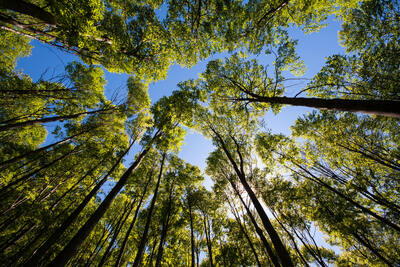
Design a beautiful landscape, which will be beautiful all year round, with evergreen trees. These all-season plants are the basis of the year-round garden design, as they offer continuity in greenery, form, and interest when the deciduous trees are in leaf. Evergreen trees for the garden provide incomparable reliability and ecological advantages for privacy screens, windbreaks, and winter color.
Evergreen trees do not lose their leaves in winter like seasonal plants and provide a wildlife refuge, save on energy, and give landscapes a permanency of structure. TN Nursery has developed the skill in nurturing high-end varieties such as Southern Magnolia, Loblolly Pine, White Pine Tree, and American Arborvitae, each of which has been chosen due to its performance history
Why Are Evergreen Trees Essential for Year-Round Landscape Beauty?
Evergreen trees give the structure, which makes gardens not a seasonal show but a permanent living structure. With the death of the perennial and the shedding of the leaves of flowering shrubs, the evergreens retain their color and shape even in bitter winters.
Key benefits include:
-
Moss For Zone 7
-
Winter Interest: Dark green, blue-green, or golden foliage will make a dramatic contrast with snow.
Cedar Tree -
Privacy Solutions: The heavy foliage locks out lousy scenery all year round.
-
Living Fence
Wildlife Habitat: Evergreen boughs are a very important source of shelter to birds in winter.
- Energy Efficiency: Blocks cold wind and saves up to 25% in heating expenses.
TN Nursery focuses on evergreen trees for the garden, which are a combination of aesthetic appeal and usefulness. Our Pine Cones (3-Pack) help the populations of local wildlife. Best evergreen trees for privacy provide living fences that get dense with age and become more efficient by adding value to the property.
How Do I Choose the Right Evergreen Tree for My Garden?
To choose the right evergreen trees, it is necessary to know your site conditions and landscape objectives. The horticultural team of TN Nursery suggests that the following factors need to be assessed:
-
Benefits
- Zone 7 Growth Rate: Quick-growing evergreen trees such as Loblolly Pine grow at the rate of 2-3 feet per year, and Southern Magnolia grows at an average rate but has exotic flowering appeal.
- Mature Size: Choose trees with mature size. The height of White Pine measures 50-80 feet, whereas the American arborvitae remains smaller at 40-60 feet.
- Hardiness Zone: Check the suitability of plants to your USDA zone. The Plant Hardiness Zone Map USDA offers the correct information about climate to use when choosing the suitable species.
- Soil Conditions: The majority of evergreen trees for the garden are sensitive to soil that is highly draining and full of organic matter. Add compost to heavy clay to enhance drainage and promote soil health and the health of roots.
TN Nursery has specifications for growing in great detail, and can assist you in matching the right tree to the landscape situation.
Top 5 Evergreen Trees for Year-Round Garden Interest
Southern Magnolia (Magnolia grandiflora)
Southern Magnolia is a combination of dark green foliage that is glossy and colossal white blooms during the late spring and summer. The leaves have a very unique rust-brown underside and contribute to texture.
This is a dignified evergreen tree that grows to 60-80 feet in zone 7-9 and grows in full sun to partial shade. The samples of TN Nursery grow in pyramids, which are ideal subjects to focus on and provide full natural privacy.
Loblolly Pine (Pinus taeda)
Loblolly Pine is one of the quick-growing evergreen trees that are available. This native plant will grow 2-3 feet per year and will soon be forming efficient windbreaks and privacy screens.
Loblolly Pine grows to 60-90 feet high in areas 6-9, and it can withstand other types of soil. The lengthy needles form an elegant texture, and the bark grows beautiful designs as it grows older. TN Nursery would suggest the same to large properties with high screening rates.
White Pine Tree (Pinus strobus)
White Pine Tree is elegant and soft with its malleable, blue-green needles and elegant pyramids. This eastern native can easily adjust to regions 3-8 and is able to withstand cold winters.
White Pine is 50-80 feet tall and grows 2-3 feet each year when young, which makes it one of the quick-growing evergreen trees in a northern garden. This species gives ornamental interest in the form of pretty, long cones.
American Arborvitae (Thuja occidentalis)
American Arborvitae offers a remarkable variety of uses for gardens that need the best evergreen trees for privacy. This native grows to 40-60 feet; however, it can be trimmed to keep a particular height.
American Arborvitae thrives in zones 3-7 and forms a thick foliage, which makes the plant impenetrable as a screening. Its columnar shape allows it to fit in small spaces. The specimens of TN Nursery grow fast and can be used in the city.
Cedar Tree (Cedrus)
If you are looking for aromatic coniferous evergreens which are known for their decay-resistant woods, Cedar Trees are the best choice suggested by TN Nursery. This evergreen tree for the garden grows in clusters and retains their leaves year-round by providing continuous greenery.
Cedar Trees require well-drained moist soil for good germination and growth. When they are established properly, these low-maintenance evergreens are tolerant of drought conditions. It has dense foliage which makes them the perfect choice for windbreaks, natural screening and promoting the overall structure of landscapes.
Care and Maintenance Tips for Evergreen Trees
Even in the case of the establishment of low-maintenance evergreens, these trees still benefit from evergreen tree care. According to the experts of TN Nursery, they include the following practices:
- https://tnnursery.net/blogs/garden-blog/10-advantages-of-evergreens-tn-nursery
- Planting: Dig holes 2-3 times larger than root balls. Backfill Native soil enhanced with compost to promote the use of microbial diversity and root health. Dip the water to remove air bubbles.
- Watering: Water 1-2 inches per week in the initial two growing seasons. The majority of low-maintenance evergreens introduced are drought-tolerant when the roots are deep.
- Fertilization: Use slow-release evergreen fertilizer at the beginning of spring. Compost applied annually ensures the preservation of the organic matter that nourishes the useful soil organisms.
- Mulching: Keep trees covered with 3-4 inches of organic material and make sure there is at least 6 inches between the trunks and the material. Mulch keeps the soil wet and enhances the soil structure.
- Pruning: Generally, the evergreen trees for the garden need little pruning. Any dead or damaged branches should be removed. Shape in late winter, but only cut off a quarter of the leaves.
Landscape Design Ideas Featuring Evergreen Trees
The evergreen trees should be placed strategically to make the most out of them in the form of decoration as well as use.
-
Privacy Screening: Plant the best evergreen trees for privacy screens, such as American Arborvitae, in rows with spacing of 10-15 feet; this will give denser screening, which appears more natural.
-
Windbreaks: Plant fast-growing evergreen trees in opposition to the wind directions. Multi-row windbreaks that bear trees that are tall with shorter evergreen trees on their backs are the best.
-
Focus Areas: Display Southern Magnolia as lawn decorations where their shape and flowers are given special consideration.
- Magnolia Background Layering: Tall evergreens are used as the backgrounds of mixed borders. The autumn leaves and spring flowers look brighter because of the evergreen canvas.
Conclusion
The choice of the appropriate evergreen trees makes gardens an all-year-round landscape with structure, beauty, and ecological value. The five trees discussed, including Southern Magnolia, Loblolly Pine, White Pine Tree, American Arborvitae, and Eastern Red Cedar, have recorded performance.
These evergreen trees for the garden provide privacy, wind breaks, animal homes, and long-term beauty. TN Nursery delivers high-quality plants that are supported by years of experience, making your investment worth generations.
FAQs
What is an evergreen tree?
An evergreen tree is one that maintains its foliage all through the year without shedding it every season, as is the case with trees in the deciduous category. This gives them the advantage of serving up uniform color, privacy screening, and a shield of wildlife in every season.
Are evergreen trees low-maintenance?
Yes, the majority of the mature evergreen plants need only to be watered every now and then when their habitat is subjected to droughts, and be mulched once a year. They are also resistant to a lot of pests and diseases, and are very convenient to busy gardeners.
Which evergreen trees are best for small yards?
The American Arborvitae and miniature types of White Pine have a very great effect in a small area because of their tall and slim shapes. These types will not grow so massive at the expense of privacy and all-year-long greenery.
How to trim evergreen trees?
Any time of the year, it is healthy to remove dead or damaged branches of a tree. To shape, which occurs only in late winter when new growth is minimal, take out not more than 25 percent of foliage in a year to ensure that the plant remains vigorous.
When to plant evergreen trees?
Planting is best done in early spring or fall when the roots are able to grow before temperature extremes set in. Planting in summer heat or winter freezes is not good, so the success rates are low.
Where can I buy evergreen trees online?
TN Nursery delivers trees to your door with professional planting instructions and guarantees of quality. Our years of increasing experience ensure healthy and vigorous specimens, prepared to be established with great success.


