
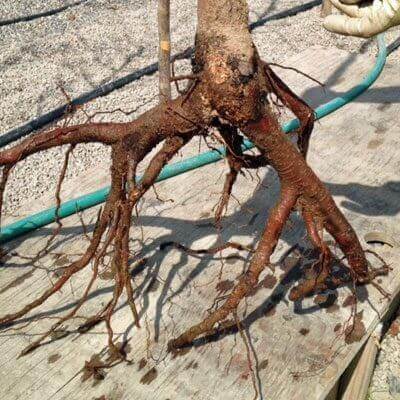
Why Bare Root Plants Are the Smarter‚ More Cost-Efficient Way to Plant
Bare root plants are 30-50% less than the same plants in containers‚ and it's simple economics‚ no pot‚ no potting soil‚ no waiting two to three years in a greenhouse‚ and less weight to transport․ TN Nursery's bare root method of growing was referenced in a Forbes article‚ not as a gimmick or a trick‚ but as a way of growing that's been used by serious growers for generations because it works‚ and it saves money without sacrificing the plants' health․
If you're going to do any wide-ranging landscaping‚ be it a row of a privacy screen‚ a windbreak‚ or even just a few dozen perennials for a garden bed‚ knowing how bare root plants will affect your budget and your chances of success can be an important thing․
What Bare Root Actually Means
A bare root plant is a dormant plant that is dug out of the field‚ shaken or washed free of soil‚ and shipped without any container․ No pot‚ no potting mix‚ and no plastic bag or sleeve around the roots․ What you get is the plant itself‚ roots‚ crown and dormant top growth‚ typically packed in a slightly moist packing material to ensure that the roots do not dry out in transit․
This is not a variant of a potted plant․ Nurseries have been sending trees‚ shrubs, and roses‚ perennials in the mail for the past one hundred years and more‚ where large-scale tree‚ orchard‚ and forestry plantings of good quality are at least as important in terms of cost and practical shipping․
The Real Cost Savings‚ Broken Down
The price difference stems from four things‚ not marketing․
No container or soil․ A 3-gallon pot full of growing medium can cost several dollars even before the cost of the plant is factored into the bottom line․ Multiply that across an order of 50 or 100 plants‚ and those figures become meaningful․
Shipping weight․ A potted shrub may weigh 8-12 lb (3․6-5․4 kg) because of wet soil and the weight of the pot․ As the same plant bare root can weigh less than 2 lb․ many nurseries can‚ and do‚ cut their shipping costs in half or more‚ particularly on larger orders and those shipped out of their area․
Less labor cost․ Grown in potted nursery stock‚ plants must be watered‚ fertilized‚ and sometimes re-potted up to three times in a two- to three-year interim before being sold․ Bare root plants are left in the field until they are dug when dormant and shipped․ The shorter production time means the labor costs to the consumers are lower․
Greater shipping survival․ This one surprises people․ If planted correctly‚ bare root plants can establish more easily than potted plants․ This is because they are planted directly in the native soil‚ and do not initially need to adapt from potting mix to garden soil․ In addition‚ potted plants can be root bound‚ meaning that the roots circle around the inside of the pot and never straighten out once planted in the ground․
Timing Is More Important Than With Potted Plants
Here's something that a lot of general planting guides leave out: bare root plants have to be planted while dormant․ In Tennessee and most of the Southeast (USDA plant hardiness zones 6b through 7b‚ with a few pockets of 8a in the western part of the state)‚ the dormant planting period is generally late November through early March‚ depending on the year's weather․ The window for planting extends until the buds are swelling and new growth appears so that the plant must be either planted or potted on for a period․
Unlike container grown plants‚ which can be planted at any time of year when the ground is not frozen‚ bare root plants can only be planted in spring or autumn․ One advantage of this is that bare root plants are generally cheaper‚ and another is that planting them does not involve removing circles of root-bound soil and loosening the potting soil․
How to Handle Bare Root Plants When They Arrive
Getting a bare root plant established is not difficult‚ but there are a few rules:
Soak roots in bucket of water for 2 to 6 hours prior to planting‚ being careful not to soak them for longer than 6 hours as the roots need oxygen too and will drown if submerged too long․ Dig a hole wide enough to lay them in․ Mound the soil around the middle of the plant․ Set the plant at the same depth it was previously growing (this will be where the color on the stem changes‚ just above the root line)․ Backfill with the native soil‚ water to eliminate air pockets‚ and apply 2-3 inches (5-8 cm) of mulch 3 inches (7․6 cm) from the stem․
Your major concern for the first growing season will be watering‚ because the plant is not spending much energy growing above ground․ It's growing roots in its new environment, and so there may be very little top growth to report after the first year․ That's normal‚ and a good sign that the roots are doing their job․
What Grows Well as Bare Root Stock
Of course‚ not everything can be shipped bare root‚ especially those with small‚ fibrous roots that dry out too quickly‚ or those that don't hold their shape well when removed from the original containers․ But many landscape plants‚ including flowering shrubs‚ fruit trees‚ roses‚ groundcovers and a range of perennials‚ can also be shipped bare root․ The most widely shipped example from TN Nursery is the Lily of the Valley․ It's a best selling bare root perennial for good reason․ It'll establish and fill a shady flower bed in just a couple of years․ It is a small fraction of the cost of an equivalent potted plant that would cover the same area․ Bloodroot is a good choice for anyone who is planting a native woodland garden; it is perfectly suited to the dormant-season planting which bare root stock requires․
Why This Matters for Bigger Projects
If you're just planting a few shrubs for a foundation planting or a few perennials to fill in a bed‚ the difference in price between a bare root plant and a potted plant may be negligible‚ but if you're planting a whole hedgerow‚ reforesting an area‚ creating a pollinator meadow or ordering a large batch of perennials to fill in the new bed you're creating‚ the combination of less money spent on plants and shipping‚ and better establishment‚ can be the difference between success and failure․
That's really the core of what got TN Nursery's bare root program on Forbes's radar: it's not a new idea‚ it's an underused one‚ and it deserves more attention from anyone planning a serious planting project on a real budget․
"

