
TN Nursery's Forbes Feature: What It Means for the Native Plant Movement in Tennessee Landscapes
Forbes recently compiled a list of the biggest trends in residential and commercial landscaping today‚ and the number one trend? Native plants․ That is no surprise if you have been paying attention to Tennessee gardens over the last five years․ Homeowners are through fighting their soil and climate‚ and they are finally planting things that actually want to grow here․
You can read the whole original Forbes piece here‚ but essentially landscaping is moving away from high-maintenance‚ water-hungry designs‚ to something a little smarter‚ a little more regional‚ and frankly‚ easier to keep alive․
Why Native Plants Actually Work Better in Tennessee
USDA plant hardiness zones range from 6b and 7b for much of Middle and East Tennessee‚ respectively‚ to zone 8 on the Mississippi border․ Areas in this region have hot and humid summers․ Soils are heavy with clay content․ Winters range from mild to cold snaps with hard freeze conditions․ Plants that evolved somewhere else‚ like Mediterranean lavender or some plants bred for the desert sun in California‚ may have problems․ Native plants typically do not․
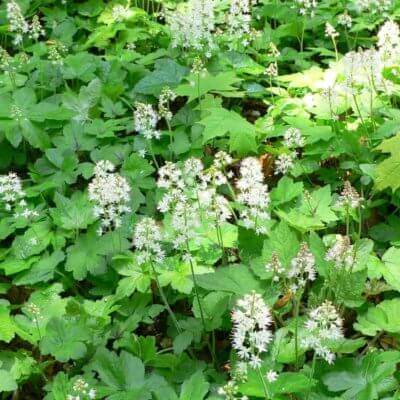
One of our native damp shade understory plants is White Baneberry Actaea pachypoda‚ which prefers the Appalachian and the Cumberland Plateau forests․ White Baneberry has no fungus problems and is well adapted to deep clay soils‚ dappled light‚ and humid summers․ It puts up white flowers in spring‚ and its characteristic white berries with black dots‚ aka "doll's eyes‚" in late summer․ It doesn't need spraying‚ it doesn't need babying‚ and it doesn't need guesswork on whether it can take a Tennessee July․
That's the real argument for native plants‚ and it's pretty much a practical one․ The plant that spent thousands of years adapting to exactly the pattern of rain and soil pH and drought periods and soil composition you've got is going to outperform the imported ornamental in every conceivable way․ There's Coneflower‚ Black-eyed Susan‚ Serviceberry‚ Coral Honeysuckle‚ the old workhorses that had already earned their place in the garden․
There is an adjustment period‚ and the plantings can look sparse because the natives‚ when they bloom and how quickly they fill out‚ differ from the exotic species that serve as default options in plant nurseries․ The roots will need 2 years to become established․ You have to give it two full growing seasons before you know if it is working․
The Trends Forbes Highlighted (And What They Actually Look Like in Practice)
Sustainable landscaping is moving into the mainstream․ Rain gardens that are sized to capture the rainfall from a typical residential roof (100 to 300 square feet (9․3 to 27․9 m2) depending on lot size) can be planted with moisture-loving natives such as Cardinal Flower or Swamp Milkweed that can tolerate floods and drought․
Outdoor living is no longer just a grill and a couple of patio chairs․ Full outdoor kitchens‚ 'year-round' fire pits and covered outdoor seating areas that function as a second living room from April through October (which is a good portion of Tennessee's usable outdoor living season) are very much in vogue․
Vertical gardens solve a real problem for anyone trying to squeeze a garden into a small urban lot in Nashville‚ Knoxville and Chattanooga: a tiered growing system lets you grow herbs‚ ferns and trailing natives in a few square feet instead of a whole bed․
Smart irrigation has gotten genuinely useful: soil moisture sensors coupled with a controller will cut water consumption by 30 - 50 percent compared with a fixed-schedule sprinkler system‚ because the system will actually run only when the soil needs it‚ rather than according to a timer‚ which ignores last night's thunderstorm․
Low maintenance landscaping generally uses less turf area‚ and low-maintenance mulch beds‚ groundcovers‚ and native and perennial plants requiring little or no mowing․ Ferns are commonly used for low maintenance landscape design․ They spread flat to the ground‚ requiring little or no fertilization‚ and tolerate the wet clay soil in the Nashville basin․
Edible landscaping incorporates food into the decoration of the landscape‚ rather than designating a back corner of the property for food․ For example‚ blueberry bushes flower in spring as a flowering hedge and produce fruit in summer․ The blueberry is native-adjacent and is well suited to Tennessee's more acidic soils․
In many of the new designs‚ foliage color has replaced flowers because the plants' leaves last longer than their blooms․ Heuchera‚ and some native ferns‚ develop a reddish color with new growth‚ and do not require constant deadheading․
LED landscape lighting has become so common because it is relatively cheap to use‚ and the fixtures last 15 to 20 years‚ so people can enjoy outdoor rooms long past sunset without fear of an energy bill․
Water features‚ such as ponds‚ fountains‚ and recirculating birdbaths add sound and habitat‚ particularly important for native pollinators and birds which rely on them far more than they do conventional lawns and customary water features․
Starting Your Own Native-Plant Transition
You don't have to plunge in ripping out your whole yard․ Choose just one problem area․ A waterlogged corner of your yard‚ a spot that is blasted by full sun or deep shade under a tree canopy․ For each problem area‚ plant a similar grouping of matching native plants․ In fact‚ fall planting (from late Sep․ through October) is actually superior for most natives in Tennessee because of the combination of cooler air and still warm ground‚ allowing roots to grow before winter dormancy without heat stress․


