
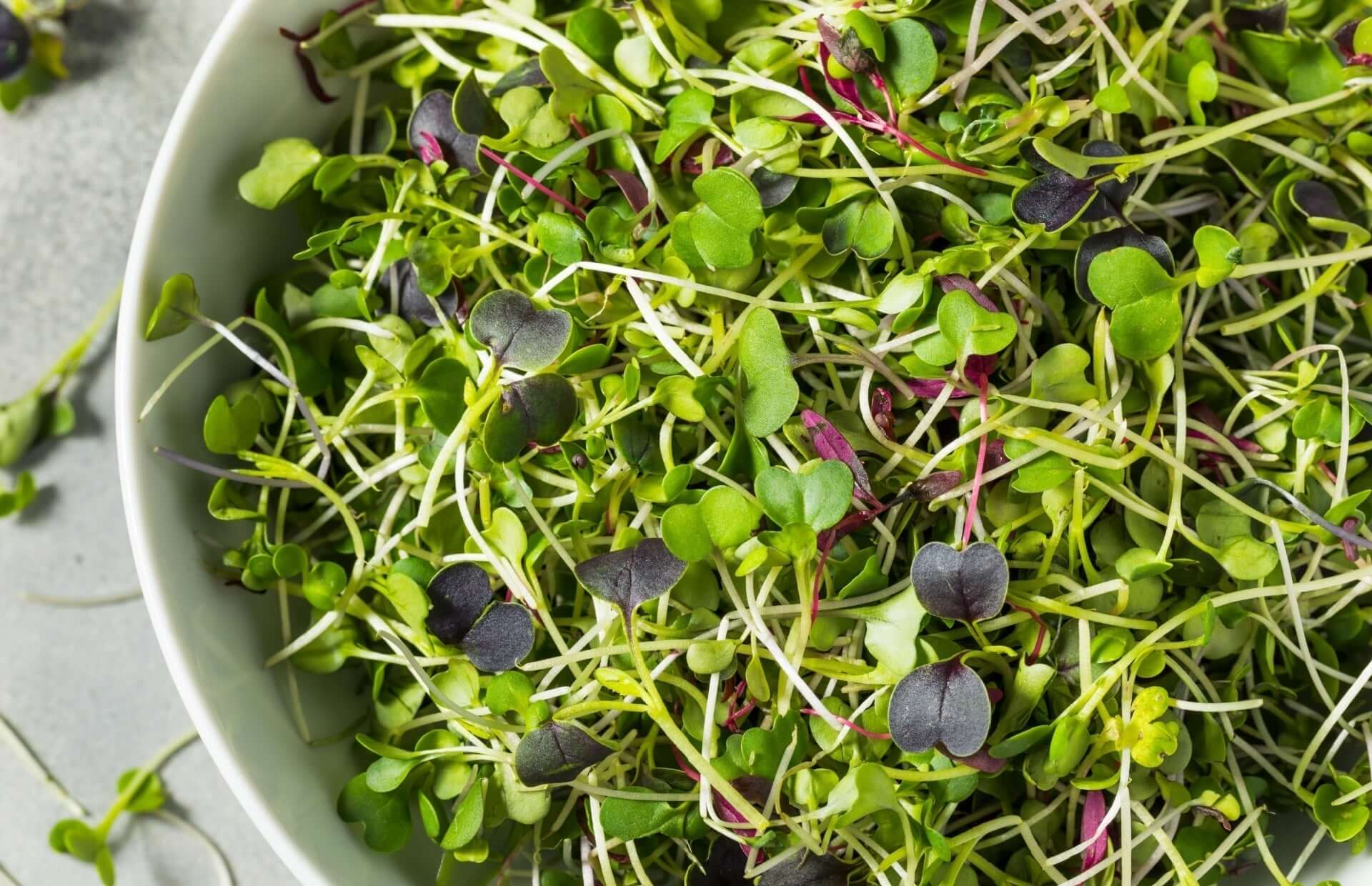
There are beauty, color, and form in tiny greens that grow outside. Because they add soft textures and help fill empty spaces, tiny greens are a favorite among gardeners. Also, these little plants look good with flowers and trees that are bigger. You can make fences, paths, and pots that look neat and balanced by using the right combination of miniature plants.
Patios, decks, and open spaces are great places for small plants. They also look great with shade-loving plants, like Lily of the Valley, or with edible plants, like Pawpaw. This gives farmers even more options. This article talks about the pros and cons, planting ideas, low-maintenance choices, and easy steps for adding small shades of green to any style of garden.
What Are Tiny Greens and Why Do They Matter?
Modern Gardens
Tiny greens are small plants that are used to give gardens more depth and structure. Because they're small, they're easy to handle, even for newbies. They are great for farmers who want to learn more about microgreen nutrition because the small plants grow quickly and have a lot of nutrients when they are picked.
People who are new to growing microgreens like these small kinds as they do well in small spaces and don't need much room. Many gardeners love how flexible they are and how they can serve as focal points, walking borders or small spots of color around larger trees.
The Benefits of Miniature Plants in Modern Gardens
Improved Visual Balance
Small plants help smooth out rough edges and fill in empty spaces. It's easy to put them around stones, steps, or higher plants because they are small. These tiny kinds also help gardeners learn about benefits of microgreens, as they enrich the soil and make it more nutrient-rich.
Perfect for Urban Compact Spaces
It's easy to put little plants on patios, porches, and window sills. They are wonderful for farmers who don't have a lot of room. They are easy to care for and don't take long, therefore a lot of people use them to learn how to cultivate microgreens.
Easy to Take Care Of Growth
Tiny greens don't need to be pruned often and do well in pots. Their roots are still easy to handle, making them great for people new to growing tiny greens for food or decoration.
Better drainage and healthy soil
Small plants improve soil quality and help a wide range of microorganisms survive. Gardeners who work with tiny greens like these types because they help keep the soil from getting too wet in small areas.
Layering in landscapes is easy.
Plush plants, wildflowers, and trees all look good with these ones. For soft foliage, they look great with scented flowers like Lily of the Valley.
Great for Edible Garden Designs
Micro leaves can be picked from some small plants. This makes them useful for people who are interested in microgreen nutrition or small-scale food farming.
How to Use Tiny Greens in Small or Large Landscapes
- Accent Borders Path Edges: To add clean lines and soft color changes, put small plants along paths, stepping stones, or yard edges. They help the air flow and make the images move slowly.
- Patio and container gardens: Tiny greens do well in pots and look nice on decks. Because they promote rapid, healthy growth, container gardens are popular among gardeners growing microgreens.
- Putting plants under trees or shrubs: For natural stacking, put taller plants on top of shorter ones. Plants like Pawpaw make the building higher, and tiny greens fill in the room below them.
- Ground Layers and Rock Gardens: Rock gardens are a great place for mini types. Their tiny roots hold the building in place and make it stronger.
- Corners with shade and wet spots: Lily of the Valley and other small greens that like shade make soft, elegant highlights in rooms that look like they belong in the woods.
Best Tiny Greens to Grow in Your Garden
1. Lily of the Valley
A lovely plant that likes to be in the shade and adds scent and beauty. Its small leaves look good with smaller plants and blend in well with cool, damp fields.
2. Mini Flowering Species
Small types have soft colors and smooth surfaces. They are great for farmers who want to learn more about the health benefits of microgreens, especially those whose leaves can be eaten.
3. Mini Ferns Mosses
These plants do best in low light. Their soft rugs give stones and dark edges more character.
4. Compact Edible Greens
Small greens grown for eating are rich in nutrients that support microgreen nutrition, making them great for people who want to grow their own food at home.
5. Low-Growing Wildflowers
Small native flowers add color and help insects do their job. They look great with organized plants like Pawpaw.
6. Mini Succulents
These do well in dry places and form interesting shapes. Great for rock gardens or windowsills that get a lot of sun
Sustainable Ways to Care for Small Garden Plants
Little greens do better with less work when they get care that lasts. For better soil health and more microbes, use compost. Water early in the day to keep the soil from drying out and to improve moisture balance. Mulching is helpful for gardeners working with miniature plants because it protects their roots.
Having a variety of plants also helps keep the dirt healthy. Some plants, like Lily of the Valley, do better when their roots are cooler, and small edible types help farmers who are learning how to grow microgreens. If you use natural pesticides and avoid strong chemicals, your yard will be safe for bugs, pets, and the plants and animals around it.
Simple Steps to Start Planting Tiny Greens
Build up the soil with compost.
That way, the dirt will drain better and the roots will stay healthy. This step helps farmers learn how to grow microgreens correctly.
Pick the Right Plant Size
Pick small types that will fit in your space. A lot of people start with tiny greens to get used to planting and arranging things.
Group the plants together
For a bigger look, group small greens together. Layer heights to strengthen the structure and use larger plants like Pawpaw to support the background.
Water regularly and gently
The moisture level stays more stable when you water it regularly. It works especially well for the tender shoots used to grow microgreens.
Cover small roots with mulch
With mulch, the ground stays cool and no weeds grow. It also helps microbes do their work.
Conclusion
Any size plant can use little greens to add color, texture, and charm. They are great for both new and experienced farmers because they are easy to take care of. By adding tiny plants, you can make scenes that are detailed, easy to care for, and full of personality.
FAQ
What are tiny greens?
They are small plants that can be used for decoration or food.
How can tiny greens help small gardens?
They don’t need much space, they add color, texture and shape.
Which miniature plants grow best in shade or sun?
Perennials
Tiny Greens
Lily of the Valley likes to be in the shade, while many small green plants prefer the sun.
Are small plants low-maintenance?
In fact, most small plants don't need much care.
How do tiny greens improve landscaping?
They make spaces look fuller, smooth out edges and add visual interest to any area.


