
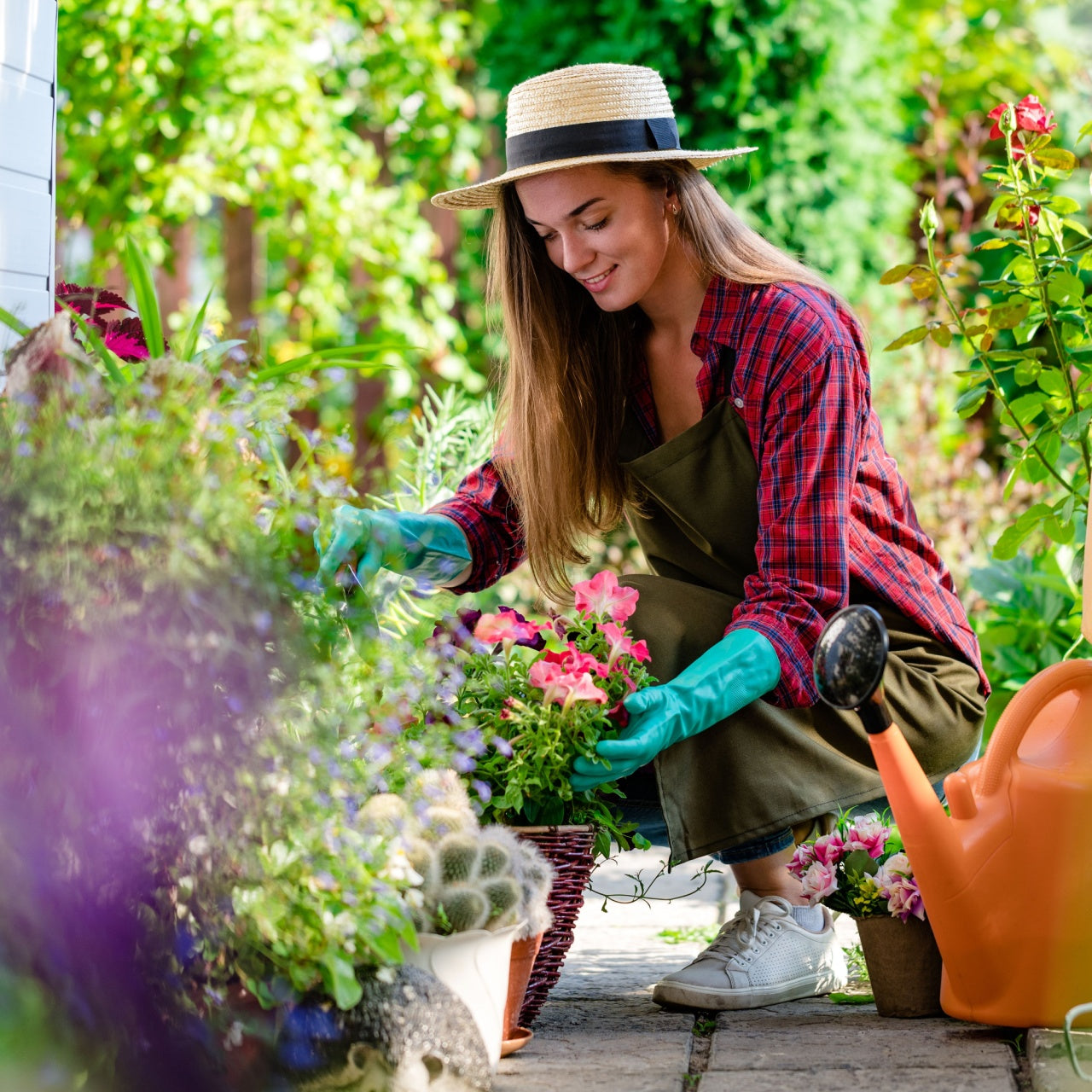
Therapeutic gardens are becoming a big part of modern wellness centres. The goal of these peaceful outdoor spaces is to help people relax, find emotional balance and remember how nature can heal them. A lot of people visit Therapeutic Gardens these days to find peace and improve their health. When garden spaces are planned out carefully, they can help people be more mindful, feel better and feel safe.
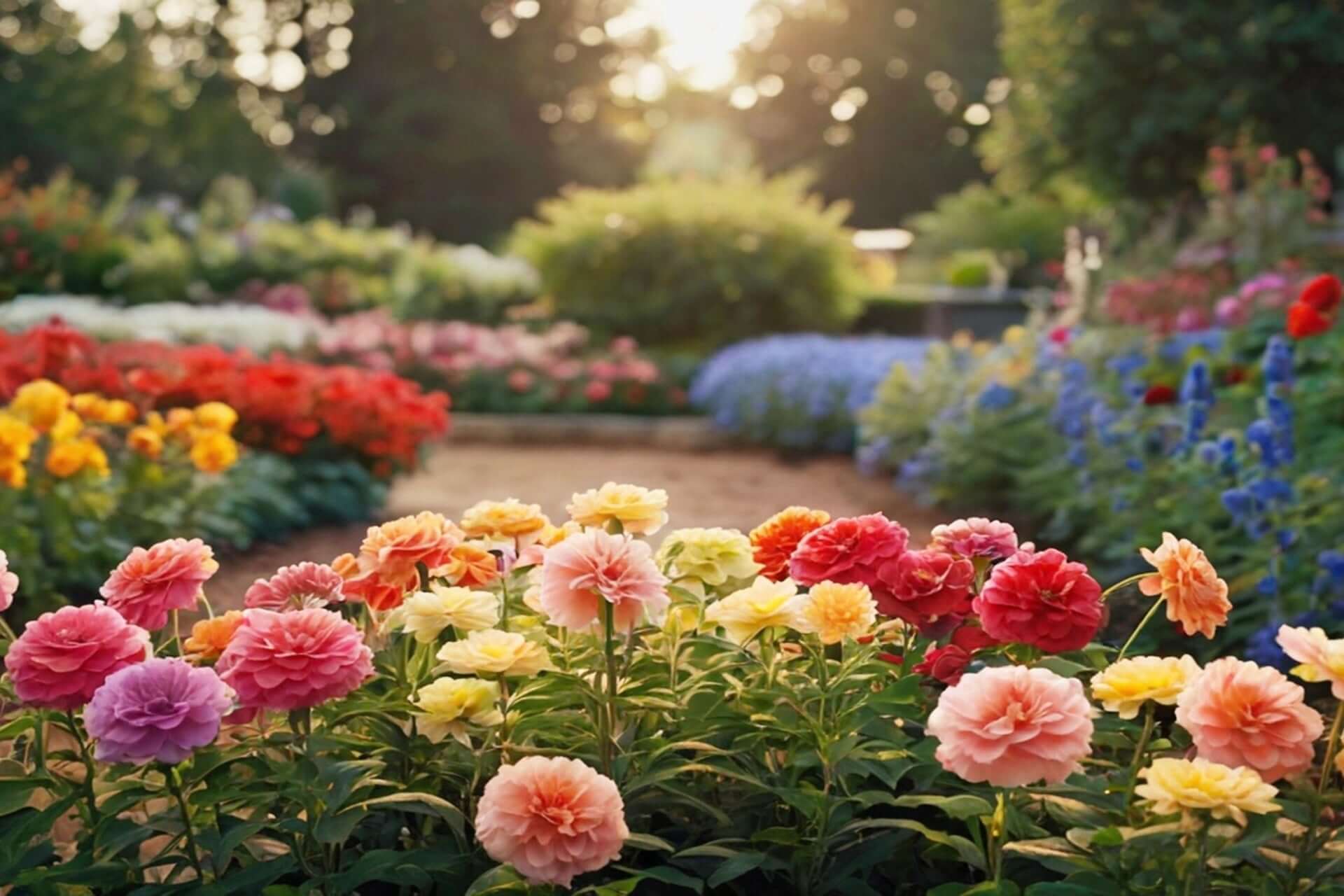
This guide tells you how Mental Health gardening works, how to arrange your garden to improve your mental health and which plants from TN Nursery can help you make a caring outdoor space. You will learn how to choose plants, design sensory spaces, improve the soil and make things easier to care for. Beginners can make a healing garden more easily with TN Nursery's trusted experience in growing high-quality plants.
What is a Therapeutic Garden
A therapeutic garden is an outdoor space designed to promote well-being and improve the overall health of its users. These gardens have thoughtful design elements that help people relax, think and heal emotionally. Gardening is also good for mental health because it lets people connect with nature, move slowly and enjoy relaxing sensory experiences.
Therapeutic gardens in hospitals can also be found in recovery centres and wellness centres. Also Therapeutic gardens in hospitals help people deal with their stress and get stronger mentally. Gardeners can trust the plants that TN Nursery sells to help them make similar settings at home.
In these areas, healthy soil is very important because plants grow best when soil organisms, compost and organic matter work together to keep roots healthy. Strong plant growth makes the space feel alive and calming.
Key Features of Therapeutic Gardens
- Plants that are rich in colour, texture and scent
- Comfortable places to sit and relax
- Smooth paths that make walking safer
- Areas of shade for quiet, cool times
- Plants that promote health and attract pollinators
Practical expert tips
- Add compost to make the soil more diverse and better structured
- Use a mix of plants that like the sun and plants that can handle shade to keep things interesting all year
- In each main area of your garden, make sure to include at least one TN Nursery plant
Benefits of Therapeutic Gardens for Mental Health
Therapeutic gardens are known for how they can help people relax and get their emotions back in balance. People often look into benefits of gardening for mental health because working with plants makes them feel grounded and safe. Watering, pruning or just sitting among flowers can help calm the mind.
These gardens help keep your mind healthy every day by giving you a break from screens and stressful places. Gardening activities engage all of the senses which helps people stay in the moment and slow down.
Why Therapeutic Gardens Matter
- They lower stress levels by providing calming natural settings
- They help people focus and keep their emotions stable
- They help patients in recovery by giving them quiet access to the outdoors
- They promote healthy habits that are easy to keep up
Plants stay strong in healthy soil that is full of organic matter as this makes the garden a more comfortable place to be. People feel safer and more connected when plants are healthy. This connection makes many good habits that are encouraged in Mental Health gardening stronger.
Actionable Steps
- For sensory comfort, put seating near plants that have texture or smell
- To rebuild tired soil, use compost and leaf mulch
- For easier long term care, choose plants that don't need much care
Best Plants for Healing and Sensory Gardens
Picking the right plants is an important part of making Garden designs for mental wellness. Plants should be easy to take care of, look good and be good for the environment. TN Nursery has a lot of beginner friendly plants that work well in healing landscapes.
Sensory plants help you relax by having soft textures, natural scents and calming colours.
Choose plants that attract butterflies, birds or bees. Wildlife activity adds life and movement to your garden.
Top Recommended TN Nursery Plants
Topiary Moss
Topiary Moss makes therapeutic spaces feel softer and more peaceful. It holds moisture well and makes peaceful visual patches that are perfect for meditation areas. This plant also helps soil organisms that make roots healthier.

Milkweed
Milkweed attracts monarch butterflies, which add colour and a gentle movement. It fits in perfectly with sensory spaces and gives you a positive connection to nature.
Pawpaw
Pawpaw trees have big, tropical looking leaves that provide shade and privacy. They help local ecosystems and do well when there is enough organic matter in the soil.
Echinacea Coneflower
Echinacea Coneflower is a popular plant in many therapeutic gardens because it is bright and has flowers that attract pollinators.
Additional Sensory Plant Ideas
- Lavender for a calming scent
-
Ferns for soft textures
- Bee balm for colour and pollinators
- Herbs like mint and rosemary for a scent that changes when you touch it
Practical expert tips
- To make zones, group plants by their scent, texture or colour
- Add compost to make the soil more organic and help it hold water
- Pick at least one plant that will attract friendly animals
Maintaining and Caring for Your Mental Health Garden
If the plants and soil are healthy, the area will stay calm. It's not hard to take care of your garden. Simple habits that you do every day will enjoy the benefits of gardening for mental health.
Microbial diversity and root strength are both higher in healthy soil. These changes to the soil help plants grow for a long time and make gardening less stressful. The TN Nursery says to check the texture of the soil often and add compost when the seasons change.
Soil Preparation Tips
- Add compost to the soil to make more organisms live there
- Add organic matter to planting beds to give them shape
- Use mulch to keep roots safe and moisture in
Practical expert tips
- To reduce heat stress, plant in the early morning or late afternoon
- To keep roots healthy, water at the soil level
- Check the moisture level of the soil often, but don't overwater
Long Term Care
The calmness of therapeutic gardens depends on how consistent they are. Light pruning and cleaning up in the spring and refreshing the soil all help keep the area calm and welcoming. These routines make Mental Health gardening work better and help beginners feel more confident.
Practical expert tips
- Change the mulch every year to help keep moisture in check
- Cut back on faded blooms to encourage new growth
- Add compost every season to keep the soil healthy
Conclusion
Therapeutic gardens are calming places that help people feel better emotionally by lowering their stress levels. These healing landscapes can grow well in any home if you make smart design choices and use plants that are rich in sensory experiences and take care of the soil properly.
TN Nursery sells reliable plants like Topiary Moss, Milkweed, Pawpaw and Echinacea Coneflower that can help you create a caring garden. Your outdoor space can become a peaceful retreat with just a little care and plants that are good for the senses.
You can find more reliable ecological information by looking at resources like the USDA Plant Database.
FAQs
What are the best plants for therapeutic gardens?
Pawpaw, Topiary Moss, Milkweed and Echinacea Coneflowers are great plants for healing gardens that are full of sensory experiences.
Where can I buy plants suitable for mental health gardens?
TN Nursery sells plants that are grown to last and are good for Garden designs for mental wellness.
How does gardening help mental health?
Perennials
It lowers stress, helps you concentrate, encourages calm routines, and gives you grounding experiences outside.
What are the benefits of therapeutic gardening?
It helps people relax, find emotional balance, and connect with nature.
How to boost mental health with gardening
Begin with sensory plants, good soil care and spending time outside every day.
Which plant is best for stress relief
Plants that smell good, like lavender, coneflower, and moss-based plants, can help you relax.
Can plants help your mental health
Yes, plants help create peaceful, relaxing outdoor spaces that make you feel good.


