
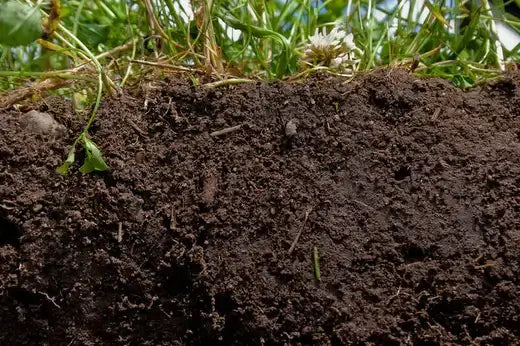
Understanding the Diversity of Soil Types
The most basic and critical component of the environment‚ and an integral part of the life cycle of plants‚ animals and humans‚ soil is a complex and physically heterogeneous‚ three-dimensional and living system of minerals‚ organic matter‚ air and water․ It is a thin layer between the earth and its atmosphere․ Soil exists in thousands of kinds‚ each with its own properties․ This can determine how useful it can be‚ and which plants can grow there․ By learning about the different types of soil‚ one can learn about life itself as it relates to the adaptations of the three main types of soil: sand‚ loam‚ and clay․ Along with basic information about soil types‚ this dirt on dirt tells how soil is essential to farming‚ plant growth and the delicate balance of our ecosystems․
It is a type of soil which has grains of sand and is rough to the touch․ Sandy soil is just like a beach without water‚ where the sun is shining bright․ While this may be helpful for a few species of crops and other plants‚ what is most helpful about this is that because it is so well drained‚ the water can easily run out‚ so as not to waterlog the plants․ This is especially helpful since many plants are bred to be drought resistant‚ and grow where water is at a premium․ Sandy soil also warms faster in spring‚ which gives early bloomers an advantage․ Additionally‚ sandy soil allows excess water to drain out easily‚ but often does not have a sufficient amount of nutrients and organic matter‚ so fertilizers and soil amendments are required to ensure that plants growing in sandy soil receive their required resources․
Loamy Soil Explained
Loam consists of a mixture of sand‚ silt and clay‚ and is often considered the ideal soil because it can hold a wide range of nutrients and is relatively easy to work‚ making it a good habitat for most crops․ Loamy soil is reasonably moisture-retentive‚ allowing plants and microbes to thrive without waterlogging․ Its high water holding capacity and nutrient retention ability make loamy soil a preferred option for farmers‚ as it allows for a wide variety of crops to be grown with less frequent application of fertilizer․ Furthermore‚ loamy soil allows enough oxygen to reach the plants' roots for plant growth and prevents soil erosion‚ making it an ideal soil for crop production․ The advantages that loamy soil provides to both crop production and agricultural practices show why loamy soil is important when it comes to agriculture․
Different soils are affected by different kinds of erosion․ Topsoil erosion‚ for instance‚ is usually caused by the wind or water․ This can have a great impact on the soil's health and future capacity‚ as it causes the top layer of soil to be transported away and thus lose that fertile layer․ Sands with high loose particle content and heavy soils‚ such as clayey soil‚ can be affected by erosion as well․ Wind erosion transports sand particles․ Water erosion causes the formation of rills and gullies․ It can lead to the loss of land used for agriculture or natural habitats‚ and a loss in biodiversity․ Full recovery from topsoil erosion takes thousands of years because fertile components of soil only amass when their predecessors decay‚ and with the natural process of accumulation in soil․
Understanding pH Levels in Soil
As with the palette of a painter‚ the pH of the soil determines the features of the garden plant․ Most garden plants grow well in acid to neutral soils (about pH 6 to 7 on the pH scale)․ At lower or higher pH levels than those specified‚ the availability of some important elements is much reduced and the ordinary plant growth process will no longer take place‚ for example‚ iron is not well absorbed and chlorosis‚ the yellowing of leaf tissue due to insufficient green pigment‚ will occur at alkaline values․ While acidic soils may prevent the uptake of calcium and magnesium‚ knowing the pH of the soil type may then allow for the modification of the soil through the application of lime or sulfur‚ resulting in the provision of an optimum environment for growth․
Clay soil consists of very small particles (less than 0․002 mm) that are very dense and tightly packed together․ It can hold moisture and nutrients well‚ which is often a good thing․ However‚ clay soil can be problematic․ Fine particles create compact aggregates‚ which can become dense and block root expansion and air circulation․ Heavy rainfall and low permeability of soils can cause waterlogged soils‚ leading to root rot and root diseases․ Some farmers also consider clay soil as unfavorable because its density makes it harder to plow and plant‚ but it does have good mineral content and retains moisture well if it is managed․ Management of clay soil usually consists of adding organic matter to increase its structure and aerate it․
In conclusion‚ understanding the characteristics of sandy‚ loamy‚ and clay soils helps with making informed decisions about land use‚ agriculture‚ and conservation․ Each soil type has unique traits‚ advantages‚ and disadvantages influencing plant growth‚ crop production‚ and erosion control․ A balanced approach to soil management ensures the sustainability of these resources․ We must all consider ourselves stewards of the land‚ and we must understand the importance of soil health and the complexity of the soils beneath our feet․ Committing ourselves to practices that promote soil health is our way of assuring a healthy agricultural future and honoring the wide web of life that relies on it․ The dirt on dirt is indeed much more than what meets the eye; it is a huge world of potential waiting to be uncovered and celebrated․


