
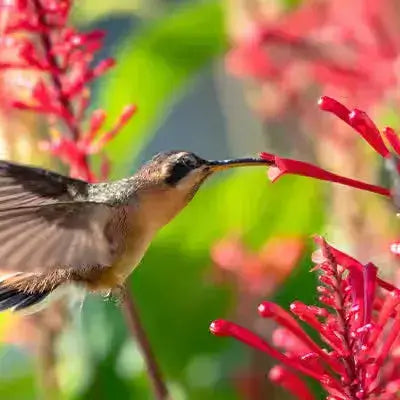
There is something magical about seeing hummingbirds fly through flower petals. They are one of the most interesting things to see in nature because they move quickly, have feathers that sparkle and are full of energy. Planting hummingbird plants that offer both food and cover is the best way to get these tiny animals to come to your yard.
Not only do plants for hummingbirds make your garden look nicer, they also help wildlife by making pollinators happy. By adding these plants to your yard, you can make a healthy environment where bees, hummingbirds and butterflies can all live together in peace. Your garden can become a hummingbird paradise that makes you happy all season long with a little planning and care.
What Are Hummingbird Friendly Plants?
Flowering plants that hummingbirds like have lots of juice, bright colours and blooms that look like tubes. It is the best flowers for hummingbirds to get to the sweet nectar they love and as they eat, they also pollinate plants.
Milkweed, Cardinal Flower, Bee Balm and Trumpet Vine are examples of plants that attract hummingbirds. The colours of these flowers are usually red, orange and pink, which is why hummingbirds like them.
Aim for a variety of types that bloom at various times when selecting hummingbird plants for yard areas. This makes sure that your bird friends always have food in the spring, summer and early autumn.
Here are some good choices:
-
Honeysuckle
Milkweed Plant
Perennial Milkweed Plant: A local favourite that grows clusters of sweet smelling flowers that are full of nectar. It's also a host plant for monarch butterflies, which makes it even more useful for the environment. - Cardinal Flower: This plant is loved by hummingbirds for its bright red spikes that bloom in late summer.
- Bee Balm: This is a low maintenance annual that gives you colour and nectar for a long time.
- Trumpet Honeysuckle: This climbing plant looks great on trellises or fences and has tubular flowers that hummingbirds love.
Not only do these best flowers for hummingbirds bring birds to your yard but they also add bright lively colour.
Benefits of Hummingbirds in Garden
There are many benefits of hummingbirds in garden environments in addition to their aesthetic value. They are very important for pollination and keeping the ecosystem in order.
- Plants that create pollen - As hummingbirds feed, they move pollen from flower to flower, which helps plants grow in a healthy way. Their constant activity makes it more likely that fruits and seeds will grow which will keep your plant lush and healthy.
- Get rid of pests - While nectar is their main food source hummingbirds also eat small bugs like gnats, aphids and spiders. In this way they help keep pest numbers in check naturally without using chemicals.
- Biodiversity has grown - There are many other pollinators, such as butterflies and bees that benefit from a garden full of plants for hummingbirds. This variety makes the ecosystem in your yard stronger and helps the health of the surrounding area.
Tips and Tricks to Attract Hummingbirds
It takes some thought and care to make a garden that hummingbirds will enjoy. The tips below will help you create a healthy environment where these lovely visitors can thrive.
Pick the Right Plants
Plant a range of hummingbird plants for yard that bloom at various times of the year. Putting plants of different heights and textures on top of each other will make the garden look more interesting and keep the nectar coming in. Pay attention to flowers with tubes that are brightly coloured like Cardinal Flower, Bee Balm and Trumpet Vine.
Give them a way to get water
Hummingbirds like to drink and bathe in clean water. Put in a shallow birdbath or a soft waterfall. They are often drawn in from far away by the sound of water dripping.
Don't use pesticides
Pesticides hurt both bugs and the birds that eat them. It is safe and healthy for your plants that attract hummingbirds to use organic gardening methods.
Put up perches
Put up thin wires or small branches around your yard so hummingbirds can rest. They can rest on these perches in between meal times.
Keep the blooming cycles going
If you want your hummingbird plants to grow longer, remove the spent flowers and water them often when it's dry. Adding a small amount of soil in the early spring can also help flowers grow.
Add native animals and plants
Native plants, like the Milkweed Plant, are used to living in this area and give hummingbirds food they are used to. Native plants need less care and water, which makes them perfect for gardening that is good for the environment.
Feeding Hummingbirds Safely
Choose red feeders filled with a straightforward sugar water mixture (1 part sugar to 4 parts water) if you want to add feeders to your plants for hummingbirds. Do not use colours or other man made ingredients. Feeders should be cleaned once a week to keep mould from growing and keep your little guests healthy.
Ideal Planting Conditions
Put hummingbird plants in soil that drains well and gets at least six hours of sunshine every day. Making sure your plants are well spaced will help keep them healthy by letting air flow through them. Hummingbirds will stay interested all through the growing season if you use a variety of bloom types and colours.
FAQs
Tips and TricksWhere to buy hummingbird plants?
TN Nursery is a great place to get high quality hummingbird plants like Milkweed Plant and Cardinal Flower.
When do hummingbird plants bloom?
Depending on the species and where you live, the majority of plants that attract hummingbirds start blooming in the spring and last until late summer or early fall.
What are hummingbird friendly plants?
There is nectar and bright, tube shaped flowers on these plants for hummingbirds. Milkweed, Cardinal Flower and Bee Balm are some examples.
What are hummingbird plants?
Hummingbird plants are flowering plants that make nectar to draw hummingbirds. These plants are beautiful and good for the environment.
Are hummingbird plants perennial?
Yes, many hummingbird plants like Milkweed and Bee Balm come back every year if you take good care of them.


