
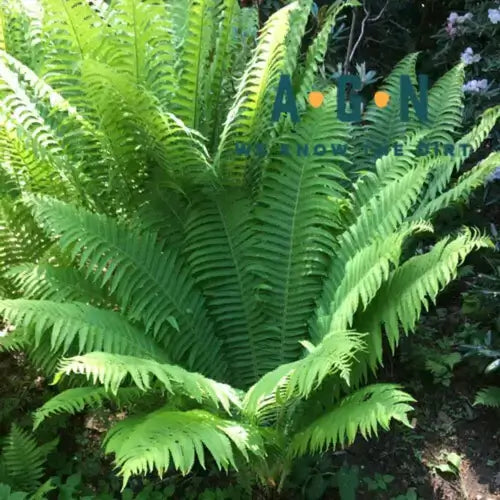
How Native Ferns Can Be a Great Component of Your Yard
Native ferns solve problems no other plant can‚ including growing in the very heavy shade of evergreens․ They're low-maintenance once established and cover bare‚ sloping earth that is prone to washouts․ If you've tried to get a new plant to take hold in a low-lying‚ damp‚ shady spot on your Tennessee property‚ and failed‚ consider planting a native fern․
Most of Tennessee is in USDA Zones 6b to 7b‚ although the higher elevations of the Cumberland Plateau and East Tennessee mountains are cooler than the Nashville basin or western Tennessee․ This climate is also favorable for a large number of local ferns‚ which have thrived in Tennessee without any assistance from gardeners in this state․
Which Native Ferns Actually Work Here
Not every fern that could be imported into a big-box garden center would be appropriate for the Southeastern United States‚ making knowledge of the true native and best-performing species desirable․
There is perhaps no more adaptable fern than the Christmas Fern (Polystichum acrostichoides) from Tennessee․ It is evergreen (hence the name) and tolerates frost‚ remaining evergreen year-round․ This fern will outcompete nearly any other fern in dry shade‚ which may be a factor on a site under a tree whose roots are competing for moisture in the soil․ The plant is 18-24 inches high․ The rhizome growth is slow‚ making the plant non-intrusive to its neighbors․
Unlike most Dryopteris‚ the Cinnamon Fern (Osmunda cinnamomea) is a wetland fern with fertile fronds that can be 3-4 ft (0․91-1․22 m) tall in ideal conditions․ Its name comes from the distinctive cinnamon-colored fertile fronds that appear in late spring․ It is good around the edge of a pond‚ in a wet area of a low spot on the property‚ or around the downspout․
Another moisture-loving plant that is much in use is the Royal Fern‚ Osmunda regalis․ The largest of the native ferns‚ 4 to 6 ft (1․2 to 1․8 m) where there is always enough moisture‚ it has an almost tropical appearance‚ the frond being coarser and more open․
With a lacy appearance‚ the Lady Fern (Athyrium filix-femina) may be 2-3 feet (0․61-0․91 m) tall․ It is more tolerant of direct sunlight than other native species‚ provided the soil is kept moist․
Maidenhair Fern (Adiantum pedatum) has fans of fronds on wiry black stems․ It will not look like a full clump for two entire years․ Still it is one of the most ornamental native ferns for the shaded rock garden or woodland path․
TN Nursery sells several of these bare root or pot grown‚ and starting with regionally grown stock in the same climate zone can make an important difference in the plants' establishment time․
Planting and Timeline
Spring planting may be possible for some ferns‚ but fall planting is preferred in Tennessee․ This enables the fern to become established before the hot weather of a Tennessee summer․ When planted in spring‚ regular watering may be required to survive the first summer after planting․
The hole should be double the width of the fern's root ball‚ but the same depth as the fern was growing in its original pot‚ as over-burial of the crown is a common fern planting mistake․ Heavy clay soil is common in middle Tennessee so if your soil is like mine then amend with some compost or leaf mold․ Ferns prefer moist‚ well-drained soil․
The first year is quite slow․ Most native ferns spend the first year growing roots before they grow much in the way of the top․ So don't judge a fern by its fronds the first year․ By the second or third‚ a well-sited fern will be almost filled in and each spring produce new fronds (coiled as fiddleheads)․
Why They're Worth the Space
Stopping erosion cold․ In soils‚ dense‚ fibrous root systems of ferns actively knit together and prevent soil erosion from slopes and creek banks․ When you have a slope that gets washed out every time it rains‚ a single stand of Christmas fern or cinnamon fern will do better at holding that soil than any other groundcover․
Many ferns take up this water at the root crown and prevent it from running off the surface of the soil․ Instead they make sure it is passed into the soil․ On an individual property scale this won't solve a flooding problem‚ but it will measurably reduce how much water leaves your property after a storm․
Less conspicuous are moths that can lay eggs on the leaves of some of the native ferns․ Regardless‚ songbirds feed happily on the hatched caterpillars․ This is not a need as easily fulfilled as a monarch's need for a milkweed or coneflower; but it's a need nonetheless‚ particularly if the yard is otherwise mostly turf․
Being evergreen means that the gardens look nice twelve months of the year․ For example‚ the Christmas fern would be valuable for this purpose because it holds its green leaves in the winter when everything else has died․ Finding winter interest in a shade garden is usually a difficult proposition; ferns do it with no extra care․
Design Uses
Ferns grow well alongside dogwoods‚ redbuds‚ and other understory trees across Tennessee and would be suitable for a shade garden with other native plants such as hostas‚ wild ginger‚ and trillium․ A woodland pool may be an excellent use for a large fern‚ such as the royal fern or the cinnamon fern‚ as a centerpiece․ Maidenhair ferns make a good choice to grow between rocks in a shaded rock garden‚ complementing the rocks' rough texture․
One of the things I don't see mentioned often enough is that ferns are one of the few plants that create better conditions at the same time as they grow․ The dry‚ shady ground under a maple tree is inhospitable to most perennials‚ but the Christmas fern is happy to take up residence there․ Ferns work with your site conditions‚ rather than against․
For a fall-planted shade garden‚ it is best to plant two or three species of fern (rather than a single species) that best match the various shade and moisture conditions in an area‚ as Christmas fern prefers a drier site‚ while cinnamon and royal fern prefer moister soils․ Mixing several different ferns together will give you texture and fill many microclimates around your home․


