
10 Perennials With The Longest Bloom Times For Tennessee Gardens (Plus How To Get True Year-Round Color
Here is the truth․ No perennial blooms literally 365 days a year‚ so ignore the ads‚ flyers and signs that say otherwise․ What you can have‚ particularly in Tennessee's Zone 6a to 7b hardiness zones‚ is a garden that looks alive every single month if you choose your long-bloomers well and stagger individual winter perennials among them․ These 10 plants do most the heavy lifting‚ plus one category most year-round bloom lists forget entirely․
Dianthus (Pinks)
Dianthus blooms from April until the first hard frost in November when deadheaded regularly․ The two best cultivars for Tennessee clay soil‚ which should be amended with a little grit or compost for drainage‚ are 'Firewitch' and 'Bath's Pink'․ The blue gray leaves are evergreen in the mild Middle Tennessee winters and can provide interest even when not in bloom․ Preferring full sun‚ the compact plant growing eight to twelve inches (200 to 300 mm) tall can be used to edge a border planting․
Salvia
Salvia is probably the single hardest-working perennial in Southeast gardens‚ 'Hot Lips' and 'Black and Blue' blooming from May straight through October‚ hummingbird buffets for six months straight․ If Salvia becomes leggy‚ it can be pruned back a third in mid July‚ and the blooms will return thicker in three weeks․ Salvia tolerates poor soil better than almost anything on this list; it is a shrub for those still working on the drainage in their yard․
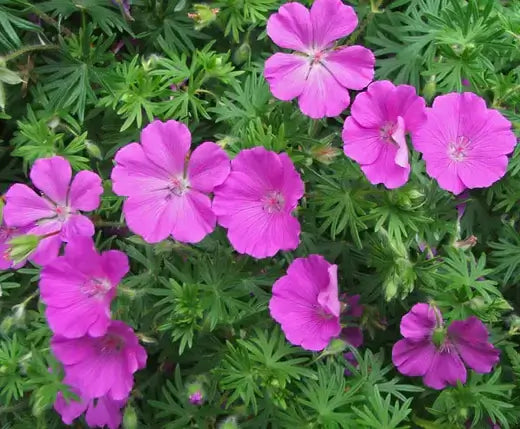
Hardy Geranium 'Rozanne'
Note that hardy geranium is different from the geraniums (pelargoniums) available at every big box store in the spring․ Hardy geraniums‚ 'Rozanne' among them‚ bloom violet blue from the end of May to frost‚ have low maintenance‚ require almost no deadheading‚ and spread to fill in cracks‚ but are not intrusive․ It is more tolerant of part shade than most other perennials that flower in sunlight‚ making it suitable for growing under dappled oak or maple trees․
Coreopsis (Tickseed)
Coreopsis 'Moonbeam' and 'Zagreb' are confetti-like clouds of tiny yellow flowers that bloom June through September․ This tough‚ native-adjacent perennial tolerates drought‚ rocky soil‚ and neglect better than nearly anything else on this list․ A note of caution: straight species coreopsis self-seed freely and will create a messy bed unless you choose named cultivars and cut them back hard after the first flowering in July for flowers into fall․
Lavender
Lavandula angustifolia 'Munstead' and 'Hidcote' are the only varieties that will survive the humidity in Tennessee․ Other varieties that were bred for drier and more Western climates die in hot‚ humid summers․ Blooming in June to August‚ it's a little shorter stemmed than most of the other lavenders here‚ but the silvery foliage is pretty and the scent is worth the space․ The key to growing lavender well here is good drainage rather than sun․ Raised beds or a slope are preferable to flat clay ground‚ where roots rot by the second year․
Echinacea (Coneflower)
Coneflower flowers throughout the growing season from June into October․ Even once the petals have dropped away‚ the seed heads will feed goldfinches all winter‚ so don't chop them off in the fall․ 'Magnus' and 'PowWow Wild Berry' are particularly reliable․ This is one of the few plants in this list that actually does well in Tennessee's heavy clay without any amendments․ It's also one of the best perennials for pollinator gardens‚ attracting butterflies in numbers few other flowers can equal․
Penstemon (Beardtongue)
Penstemon digitalis 'Husker Red' has tall spikes of pinkish-white tubular flowers from late May into July‚ and reddish-purple leaves that remain colored even when not in flower․ It grows on drier soil than most of these plants‚ and so should preferably be grown on a raised bed or slope․ Hummingbirds like it almost as much as salvia․
Shasta Daisy
Shasta daisies‚ June to September‚ the quintessential white-petal yellow-center flower‚ the inspiration for 'cottage garden'․ For the Southeast‚ 'Becky' is the winner; do not choose any of the older hybrids that flop flat on their faces in the heat and humidity․ That is a real problem for Shastas in Tennessee summers․ Divide clumps every 2 to 3 years to maintain vigor․
Catmint (Nepeta)
A widely available perennial‚ 'Walker's Low'‚ tolerates neglect during its long May-to-frost flowering period (no deadheading if sheared once in midsummer)․ The lavender-blue spikes and silvery foliage complement coneflower and salvia‚ and deer rarely eat it․
Hellebore (Lenten Rose) ‚ The Winter Piece Everyone Skips
Here's what most "perennials that bloom all year" articles miss entirely: winter․ In Tennessee‚ hellebores bloom from December to March‚ and p


