
Sun Perennials That Thrive in Tennessee Gardens: A Complete Growing Guide
Most sun perennials require at least six full hours of sunlight per day to bloom properly and Tennessee's climate zones (6a to 7b‚ depending on your exact location) and the long growing season (April through October in the western part of the state) put nearly all flowering plants in the domain of the possible․ The basic recipe for choosing plants suitable for your site is to match the plants to the proper soil drainage‚ humidity‚ and maintenance․ Here are eight full sun perennials that will thrive in Middle and East Tennessee‚ and what makes the difference between a bed that excels and one that disappoints․
Blazing Stars (Liatris spp․)
Blazing star flowers are perched on tall‚ bottlebrush-shaped spikes that are purple‚ pink or white and which open from the top downward․ This distinctive flower makes it easily identified in a mixed border․ This species is native to most of the eastern United States․ Its clay soils in Tennessee only become a problem with poor drainage․ Plant corms in the spring‚ after the last frost‚ about 12 to 18 inches apart․ The plants should flower by middling the summer until early fall․ One thing many guides leave out is that liatris prefers somewhat lean soil (dry‚ gravelly‚ sandy‚ or rocky)․ Over-fertilizing causes the stems to flop and need staking․ Once established they do better left in drought‚ and do not need feeding․
Daylilies (Hemerocallis spp․)
Daylilies are about as forgiving as sun perennials get․ They're a mainstay of TN Nursery's perennial collection‚ and for good reason: though the flowers last just one day‚ a mature clump puts out so many buds that you're likely to have color for four to six weeks‚ depending on variety․ Clumps should be divided every three or four years in early spring or fall when the crown is ragged-looking or flower counts have declined․ Daylilies thrive in heavy clay soil and in sandy loam‚ and are resistant to many fungal diseases of foliage that affect other perennials in the hot humid summers of Tennessee․ They can be planted almost anywhere you need a splash of color that doesn't require additional maintenance apart from weekly deep watering during dry spells․
Shasta Daisies (Leucanthemum × superbum)
Shasta daisies are the perennial white with yellow centers that immediately scream "cottage garden․" Hardy in zones as low as 5‚ a Tennessee winter is no problem for them․ The killer is really too much water in winter; Shastas die faster from damp feet than from cold․ When planted in spring‚ Shasta daisies bloom from early summer through August․ Shasta daisies will always go to seed‚ and are one of the shorter-lived perennials on this list․ They are only likely to last three to four years unless they are divided every other year‚ and it is not optional maintenance․ The cut segments last a week or longer in a vase and can be used in indoor displays․
Bee Balm (Monarda spp․)
The tubular red‚ pink or purple flowers of bee balm are attractive to hummingbirds․ The leaves of the plant smell of mint and citrus when brushed․ What many of the articles don't mention‚ however‚ are the problems of powdery mildew in Tennessee‚ due to the state's hot‚ humid summer conditions․ Bee balm is particularly susceptible to the disease when planted in places where air cannot circulate freely․ For mildew-prone areas‚ space plants at 18 to 24 inches‚ and try the mildew-resistant 'Jacob Cline' cultivar․ Since bee balm spreads through rhizomes‚ it can become sprawling in loose‚ sandy soil․ Every two to three years‚ the plants should be divided or older plants will choke out nearby plants․ Blooming between June and August‚ it tolerates partial shade better than most other sun perennial bloomers‚ although full sun makes for fuller flower heads․
Coneflowers (Echinacea spp․)
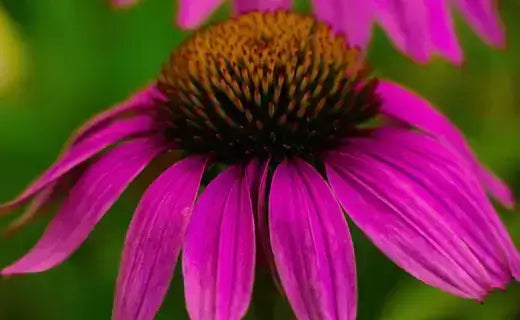
Coneflowers are probably the most drought tolerant plant on this list once established and the reason TN nursery prefers them is because they produce in poor soil where other perennials did not do well at all․ They can be purple‚ pink‚ white and colors developed with hybrids are also orange and yellow․ Plant coneflowers in spring‚ and buds will form by midsummer․ Leave the seed heads on until winter‚ as goldfinches eat the seeds‚ and they add structure to the winter garden․ Coneflowers self-sow․ If you do not wish them to pop up in undesired places‚ deadhead them before they produce seeds․ They live five to seven years‚ longer than daisies or bee balm‚ and must be divided․
Larkspur (Delphinium spp․)
Larkspur adds height to the garden with its three to four foot stalks of blue‚ purple‚ pink‚ or white flowers․ Larkspur is considered a reseeding annual in many areas but behaves more like a short-lived perennial in the more temperate zones of Tennessee‚ especially if it is allowed to reseed itself․ Seeds can be sown in the fall‚ and plants will bloom the subsequent spring․ Seeds require a period of cold to efficiently germinate‚ and planting in the fall is sometimes required; spring plantings may well be a disappointment․ The plant needs to be sited where it is inaccessible to pets and children‚ as all parts are poisonous․ You should stake taller plants in windy gardens or plant them against a wall or fence which they can lean against․
Blue Vervain (Verbena hastata)
Rarely used in gardens‚ blue vervain deserves a spot as one of the best plants for a low‚ wet spot that stays wet and soggy after a rainstorm (a condition that is intolerable for most flowering plants)․ Native to Tennessee and much of North America‚ it produces thin spikes of blue-violet flowers in mid-summer to fall․ It is highly attractive to pollinators‚ including native bees․ It does best when planted in a naturalized grouping‚ or a pollinator garden bed‚ instead of as a compacted hedgerow․ It does best in full sun‚ but tolerates some light shade‚ such as along the edge of a pond or rain garden․
Chicory (Cichorium intybus)
The sky-blue flowers open in the morning and close by early afternoon‚ to the surprise of those unfamiliar with a ""closing"" flower․ It is extremely durable and able to grow in the gravel and hard-pack soil of a roadside in Tennessee with no human care․ Its deep taproot helps break up hardpan and generally improves the soil structure․ The young leaves can be eaten in a salad‚ though they become bitter as they age․ Chicory is not best suited to formal beds‚ but for meadows or other informal areas where low maintenance colorful self seeding annuals are wanted between June and September․
Putting It Together
Good sun perennial gardens will have cool weather bloomers such as larkspur for early season height elements‚ coneflower‚ daylilies‚ and bee balm for summer color and pollinator interest‚ and blazing stars for late summer to fall interest․ For example‚ Tennessee has a range from hardiness zone 6a to zone 7b․ Even a marginal plant in those mountains might escape and be an aggressive reseeder in Memphis․ TN Nursery ships plants at the right size and maturity for immediate planting‚ which takes the guesswork out of when your garden actually starts producing color․"


