
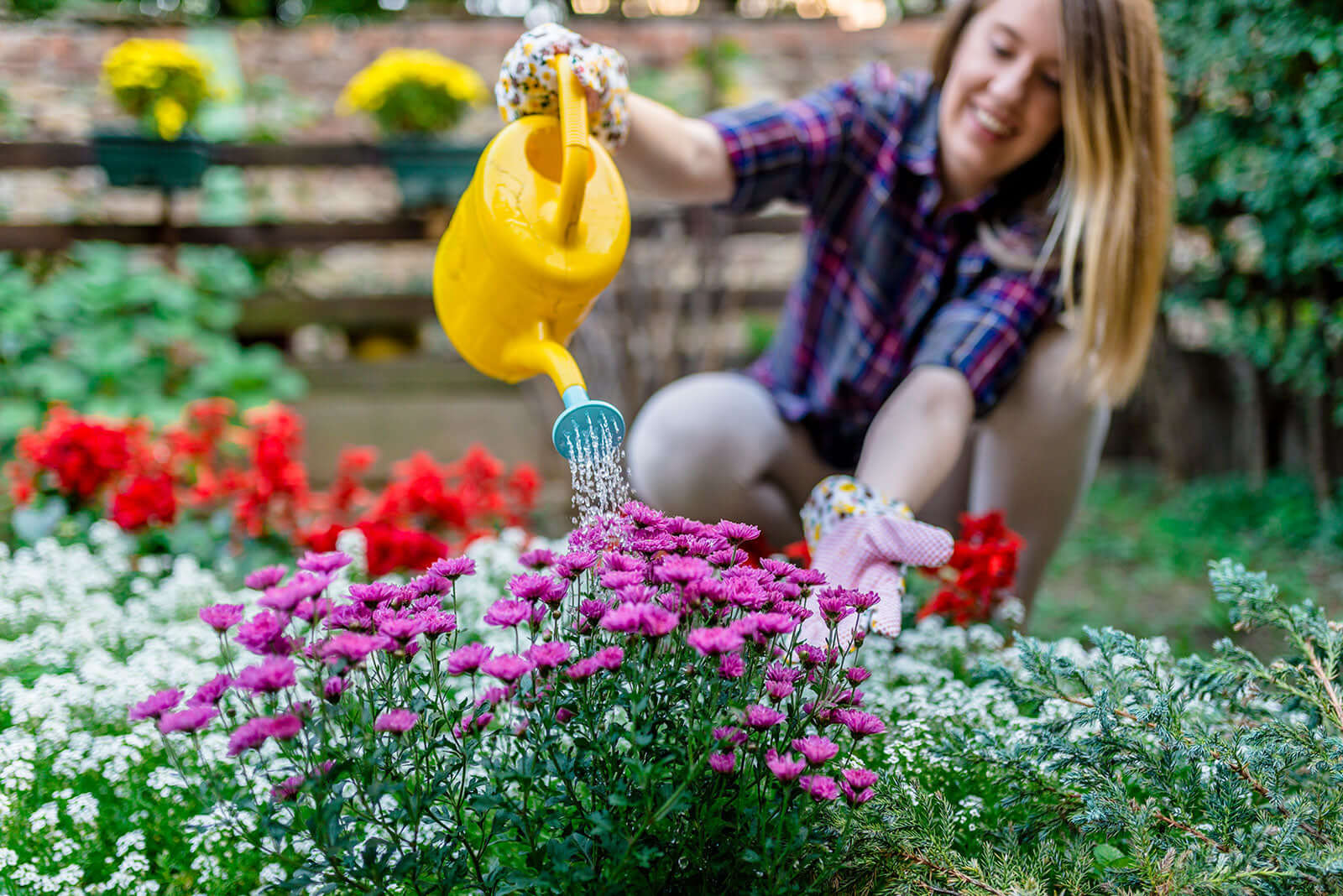
Spring Planting Flowers: What to Plant and When for a Southern Garden
Tennessee spring planting flowers must be hardy enough for winter‚ such as Liatris‚ Coneflower‚ Black-Eyed Susan‚ Daffodils and Creeping Phlox‚ and still be blooming by the time the risk of a late frost arrives․ For Zones 6b-7b‚ which covers most of Tennessee‚ most flowers can be seeded outdoors from mid-March to late April‚ when the soil temperature reaches or exceeds about 50 degrees Fahrenheit․
Planting times can be more critical than you’d expect․ An unexpected frost in early April‚ which happens most years here‚ can set back tender new growth by several weeks․ Plant too late into the season and you’ll miss the cooler‚ moister conditions of early spring needed for good root growth․
Getting Your Soil Ready First
Even with the best plants available‚ if you skip the soil prep the results will surprise you and not in a good way․
The whole bed should be stripped of old foliage‚ including the matted leaves‚ debris‚ and plant material‚ where fungal spores and pests infect plants․ Rake everything up and bag any diseased material (powdery mildew‚ black spot) that you had problems with last year rather than composting it․
Tennessee’s soil is generally acidic‚ and it is more acidic in clay-heavy sections‚ most of the state outside of the river valleys․ If the soil is too acidic‚ lime may be needed‚ which can take weeks․
Work in some organic matter․ Two to three inches of compost or well-aged manure tilled in the top six inches of soil will stimulate bloom better than any later bought fertilizer․ This is especially important in clay soil‚ where bulbs and perennial plants may sit in water and rot․
Mulch after planting‚ not before planting‚ with a two-inch layer of shredded bark or pine straw to retain soil temperature and reduce watering․ Spread the mulch an inch or two from the stems of your plants‚ so you aren’t inviting rot․
The Best Spring Planting Flowers for Tennessee Gardens
Gayfeather Liatris
Impressive native spikes of purple‚ pink‚ or white flowers arise in huge bottlebrush fashion․ One of the better pollinator plants you can put in a Southern garden‚ bees and butterflies find this plant fast․ Plant your Liatris corms in well-drained soil and full sun‚ 12-18 inches apart‚ and they will clump and spread naturally in a few seasons․
Water in the first year of growth about once a week with about an inch․ Do not overwater‚ as this will cause the corms to rot․ Deadhead flowers to encourage a second bloom in the later summer months․ Once well established‚ the plant is considered drought-tolerant and is a good choice for unpredictable summer rainfall in Tennessee․
Purple Coneflower (Echinacea)
Few perennials are more resilient in the heat and humidity of a Tennessee summer than Echinacea‚ which flowers from late spring until autumn․ Goldfinches will eat the seed heads if left standing all winter․ It prefers full sun and well-drained soil with average moisture‚ blooming better in soil that is not too rich․
Black-Eyed Susan
Rudbeckia is about as forgiving as flowers get: it self-sows‚ tolerates clay soil better than most perennials‚ and shrugs off drought and humidity with ease․ Plant in spring after the last frost which is mid-April in Middle Tennessee‚ early April in West Tennessee‚ and late April in the higher elevations in East Tennessee․
Daffodils and Crocus
If you didn’t get around to planting any bulbs last fall‚ just buy pot-grown spring bulbs that are already sprouting at your local garden center or nursery․ Simply push them in wherever you need a bit of instant color․ Bulb-planting for next year’s spring blooms occurs in October and November․
Creeping Phlox
For extending a ground cover of turf with a massive splash of pink‚ purple or white in April‚ few plants can equal Creeping Phlox․ It can be used on banks and terraces‚ in rock gardens and at the fronts of borders․ Once established‚ it requires little maintenance aside from a light shearing after flowering to keep it dense․
Perennials vs․ Annuals‚ Which Should You Choose?
Competitor sites group these all together‚ but the distinction is worth making․ Perennials like Liatris‚ Coneflower and Black-Eyed Susan come back year after year and are generally a much better investment․ Just plant and wait․ A decade or more of bloom‚ little replacing because of dieouts through the years․ Annuals such as petunias and marigolds give you instant color‚ but must be replanted every spring․
We suggest building most Tennessee gardens on a foundation of perennials․ Two to three years down the road as your perennials fill in‚ you can casually plant annuals‚ filling in gaps with fast color while perennials get established․ TN Nursery sells perennial collections bred for the southeastern United States‚ accustomed to the region’s humidity and clay-based soil‚ and much less shocked than plants from up north․
Sunlight and Watering: Don’t Skip This Step
Go for a neighborhood stroll‚ wander your yard morning noon and night‚ and count the hours of direct sun each bed receives before you buy that one plant․ Six or more hours of full sun means Coneflower‚ Black-Eyed Susan‚ and Liatris will be happy․ Four to six hours is partial sun and enough for Creeping Phlox and some types of daffodils․ Less than that will give you fewer options․ Choose according to your light exposure‚ not your preferences․
New perennials should be watered deeply (two or three times a week) for the first month after establishment‚ rather than shallowly every day‚ to encourage deep roots to moist ground rather than shallow ones to surface moisture․ Once established‚ most above flowers need additional water only in those rare long dry spells which occur regularly by July during Tennessee summers․
A Realistic Timeline
* Late February to early March: Soil test‚ amend soil‚ clear beds as needed․ * Mid-March: When soil is workable‚ plant cold-hardy perennials such as Liatris and Creeping Phlox․ * Early to mid April: Coneflower‚ Black-Eyed Susan‚ and most other nursery-grown flowering perennials are safe to plant once frost is unlikely․ * Late April: Add mulch‚ begin watering plants regularly‚ and look for the first blooms of early varieties․
If you get your timing and your ground worked up for the spring planting‚ the flower variety part is really practically effortless‚ Tennessee’s climate is just so conducive for these plants․"


