
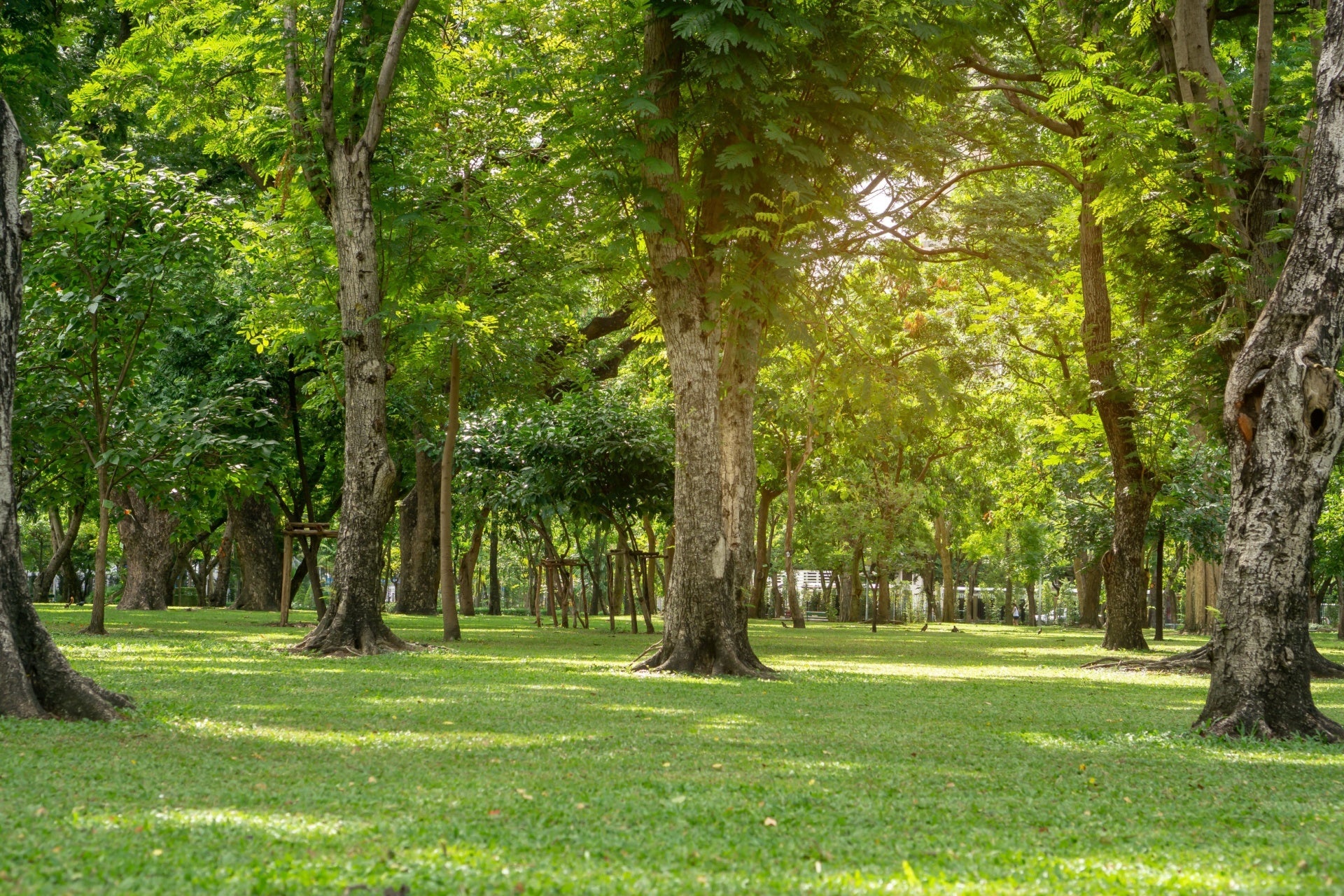
Shade trees do not just cool down your backyard; they also are ecosystem constructors. These tall guardians enhance the soil structure and wildlife, boost biodiversity, and provide comfortable outdoor activities. Shade trees shed nutrient-rich leaves that rot to provide organic matter to soil organisms, creating humus. The high density of their root systems means they do not erode and enhance water infiltration, as well as provide highways for useful fungi.
TN Nursery plants trees that have dual functions that include the provision of trees for wildlife as a source of cooling canopy cover, and also to support healthy ecosystems. Our native selections, which are cultivated in the fields, transform the landscape into a productive habitat and provide shade over a period of decades.
How Do Shade Trees Improve Soil Health Naturally?
The shade trees are natural soil builders. Due to their long roots, they loosen up compacted soil to allow movement of air and water. Root growth and death also produce organic matter, which nourishes microbes in soil and enhances soil structure.
The shade trees drop leaf litter that forms an endless source of compost. Every year during autumn, the leaves fall and decompose, providing the soil with nitrogen, phosphorus, and other nutrients. This layer of natural mulch helps in the regulation of the soil temperature and also helps in the preservation of moisture in the soil during dry spells.
The hornbeam generates thick leaf litter, which decomposes gradually, giving long-term soil cover. It has shallow roots that are fibrous and hence stabilize slopes as well as enhance microbial diversity at the upper layers of the soil.
Best trees to plant for shade areas are those that support mycorrhizal underground fungi.. These useful organisms crawl on the roots of trees, spreading their tentacles and enhancing their absorption of nutrients. Fungi, in turn, supply trees with photosynthetic sugars.
The Southern Magnolia forms well in the soil conditions. It's huge, succulent leaves decay to create nutrient-rich humus that lowers the pH of the soil a bit—ideal for the azaleas, ferns, and other understory plants.
Which Shade Trees Attract Birds, Pollinators, and Wildlife?
Trees for wildlife serve as food, shelter, and nesting areas all year round. The most valuable species provide several resources, including spring flowers to be used by pollinators, summer shade to prevent overheating of plants, fall seeds to serve migrating birds, and winter structure to be used by roosters. The five outstanding wildlife-friendly shade trees are as follows:
1. Red Buckeye Tree
The Red Buckeye tree is one of the best trees to plant for shade, which is also a good pollinator magnet, and should be planted in small yards. Its tubular red blossoms are produced in early spring, which offers invaluable nectar to ruby-throated hummingbirds returning after the migration. These showy blooms are also visited by the native bees and butterflies before the majority of other flowering trees are awakened. It is small enough (15-20 feet) to fit in a city garden but offers excellent wildlife benefits.
2. Southern Magnolia
Year-round benefits are provided by the Southern Magnolia since this species is an evergreen. It grows massive and sturdy white flowers in late spring and summer that appeal to the beetles and bees. Winter shelter is given to birds by dense foliage when the shade trees are bare in winter. Huge seed cones are produced during the fall, and squirrels nest in them. Southern Magnolia is 60-80 feet tall and provides a large amount of shade in addition to supporting all kinds of wildlife at all times of the year.
3. Box Elder Tree
The Box Elder tree is a highly impressive wildlife attractor. It plants its winged seeds that nourish evening grosbeaks, squirrels, and chipmunks in fall and winter. Bugs: Box Elder bugs are found in the trunk, and they feed woodpeckers, as well as insect-eating birds. The canopy is an excellent nesting habitat for the songbirds. Box Elder is among the most rapidly growing types of shade trees that provide cooling shade quickly and create a habitat for wildlife.
4.Hornbeam
The hornbeam bears little nutlets, which are nibbled by nuthatches, warblers, and other seed-eating birds. It has a high degree of branching that gives it better nesting places and security cover. The smooth gray bark sustains mosses and lichens that accommodate insects that are eaten by the birds. Hornbeam is a successful shade plant, so it can be used in the layered plantations under the large native shade trees.
5.Corkscrew Willow
The Corkscrew Willow has exceptionally twisted branches that birds enjoy for nesting and perching. Its catkins in early spring provide significant pollen to bees at a time when other sources of food are scarce. Willows are used close to water bodies, where they stabilize the banks and provide shelter to the amphibians and aquatic insects. The unique nature of the tree contributes to the visual interest all year round and acts as a wildlife-friendly shade tree in the wet soil.
The USDA Plants Database indicates that native trees are known to sustain many more wildlife species than ornamental species introduced, usually 10-50 times the number of insect species alone.
Designing Wildlife-Friendly Landscapes With Shade Trees
To begin with, it is necessary to create a habitat for wildlife by selecting the native shade trees that can fit in your location. Native species are not costly to maintain, are resistant to local pests, and contribute to the highest biodiversity.
The best trees to plant for shade must be kept in strategic positions. Widely plant shade trees on the south and west sides of houses to shade from the afternoon sun. This will lower the cooling expenses and also provide comfortable outdoor facilities.
Vertical landscaping is the best way to maximize wildlife value. The trees that compose the canopy are tall shade trees, with understory trees and shrubs at the ground level. The structure resembles similar natural forests and serves as a habitat for various wildlife.
Wildlife-friendly shade trees should have companion plantings:
- Plant under-canopy native shrubs.
- Cover leaf litter, not to disturb ground-dwelling insects.
- Add water features to please amphibians and birds.
- Plant together and not as individuals.
- Do not use pesticides that kill good insects.
By clumping different types of shade trees, there is a formation of microhabitats with a diverse environment. The Hornbeam, grown in groups, creates a thick canopy that withholds the undergrowth and forms the best environment to support the woodland wildflowers and ferns.
Long-Term Environmental Benefits of Native Shade Trees
Native shade trees have lasting good effects for decades. Younger trees offer small shade and value to wildlife. The fully grown plants grow to be ecological anchors, holding hundreds of species and cooling whole neighborhoods.
Shade trees absorb a lot of carbon dioxide as they grow older. One mature tree has the capacity to capture 48 pounds of CO₂ a year and release oxygen. Multiply this on a duly shaded scenery, and the advantages of the climate become immense.
Stormwater management is also enhanced by trees for wildlife. They block rainfall as it falls, thus delaying its receipt on the ground. Root systems absorb water, which would otherwise lead to erosion or floods.
Red Buckeye Tree is a plant that grows well in adverse urban environments and provides ecological services. It accepts tight soil, accepts the different levels of moisture, and helps pollinators where habitats are limited.
For years, TN Nursery has been a shade tree growing expert. The trees grow fast and prosper for several generations because our field-grown stock can grow roots and a natural branching system, and give us a good stock.
Conclusion
Shade trees are long-term investments in more nutritious soil and better wildlife habitat. They decrease erosion, accumulate organic matter, and generate complex ecosystems that sustain birds, pollinators, and beneficial insects. The Red Buckeye Tree, the Hornbeam, the Corkscrew Willow, the Southern Magnolia, and the Box Elder Tree each provide their own advantages and turn the landscapes into a habitat that thrives.
TN Nursery offers high-quality trees for wildlife and shade with proper care for growing, so that when one wants to transplant the tree, the performance is successful. Trust us to guide you in the right choice of wildlife-friendly shade trees to be placed on your property.
FAQs
How do shade trees improve soil health?
Shade trees fall and shed nutrient-containing leaves that break down to organic matter, nourishing soil life and enhancing the structure naturally.
Which trees are best for attracting wildlife?
Red Buckeye, Box Elder, Southern Magnolia, Hornbeam, and Corkscrew Willow serve as habitats for a variety of wildlife such as birds, pollinators, and mammals.
What shade tree is most beneficial to wildlife?
The widest variety of species get food, shelter, and nesting sites in native shade trees such as Box Elder and Southern Magnolia.
Which animals like the shade of trees?
Birds, deer, squirrels, insects, and amphibians are some of the animals that find shelter in shade trees to cool themselves and get the protection of the shelter.
How long do shade trees take to benefit the soil?
The shade trees start enhancing soil as early as the roots start to grow, and enormous gains are realized after 3-5 years.
Where can I buy wildlife-friendly shade trees online?
TN nursery provides quality wildlife-friendly shade trees that are delivered at your doorstep.


