
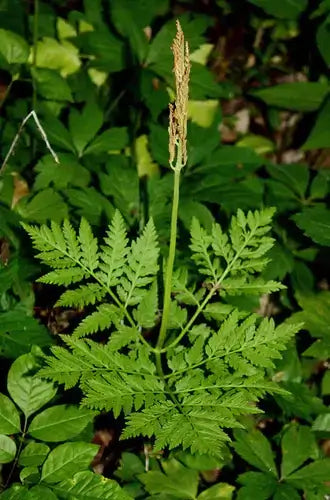
The rattlesnake fern makes a strange addition to any plant collection‚ with coiling‚ rattlesnake rattle-like fronds on each side of the leaf․ The leaf beneath the rattlesnake fern may be unsightly‚ but the rattlesnake fern is one addition that brings a little bit of the outdoors inside the home․ Whether encountered in the wild or one's neighbor's yard‚ one cannot help but be pleased to see the rattlesnake fern and this is particularly true for fern enthusiasts․ The wide-ranging habitats in which it grows provide a record of the beauty and diversity of ferns and show the interconnection between humans and the natural world․
Origin of Rattlesnake Ferns
The rattlesnake fern does have a long history of evolutionary past‚ and as one of the more common ferns‚ with Botrychium virginianum being common and inhabiting many different environments‚ the rattlesnake fern may have adapted to environmental change over its evolutionary development․ Unlike some of their members that are more sensitive to these changes to the Earth‚ rattlesnake ferns have adapted to changing habitats‚ remaining throughout the course of their existence growing in the shade of forests‚ or in fields‚ where they have also produced new variants that provide additional descriptors for the areas in which they grow․ The rattlesnake fern represents life‚ showing how the beautiful and the flexible can grow from history and influence the present in deep ways․
One of the interesting facts about rattlesnake ferns is that they have a variety of habitats where they grow very well․ They are often found in rich and moist soil‚ where they frequently grow in deciduous forests‚ even in regions where the forest floor has been cleared in disturbed habitats․ Rattlesnake ferns have been observed in many different locations‚ ranging from shaded understory under towering redwoods‚ to sunny patches of grassland․ Multiple plants can generally be found in close proximity‚ with rattlesnake ferns often growing in colonies․ This shows the adaptability and importance of these ferns to a variety of ecosystems․ The rattlesnake fern‚ through its symbiotic relationship with fungi and other plants‚ helps to build soil and support an ecosystem with high biodiversity‚ supporting not only its own continued existence but the health of other plants and animals as well․
Symbolism in Rattlesnake Fern
Rattlesnake ferns symbolize protection and tenacity․ The curled fern frond resembles the rattle of a rattlesnake which delivers a warning signal when threatened‚ meanwhile‚ the fern's ability to grow in a variety of environments also represents the ability of the rattlesnake to carry on despite the threats it faces․ As the rattlesnake fern exemplifies the virtues of humility and truth often associated with ferns in many cultures‚ the name is appropriate․ The purpose of the rattlesnake ferns may also be emotional‚ in that they remind us to stay true to our origins‚ and to incorporate the hardships of life into ourselves‚ to try to understand the natural world‚ and to recognize our own ability to endure and thrive despite difficulties․
Rattlesnake ferns can also reproduce through other methods․ Unlike flowering plants‚ rattlesnake ferns reproduce using spores rather than seeds․ The genetic information is carried in microscopic seed-like objects known as spores that are produced within specialized structures called sporangia․ These spores are then dispersed by the wind‚ water and animal activity to other areas far from the parent organism․ This ability to colonize new places representing spontaneity and fortuity‚ and thus to pop up in unexpected places‚ is illustrated by the life cycle‚ in which each new plant springs from a spore and perpetuates this poetic persistence of nature․
Cultural Significance of Rattlesnake Ferns
Culturally‚ rattlesnake ferns and other ferns serve as meaningful elements in many customary societies․ The plants are often imbued with symbolic meaning‚ and may represent aspects of growth‚ renewal‚ and the human-plant relationship․ Further‚ these plants‚ including rattlesnake ferns‚ in some cultures‚ have important medicinal applications‚ and different parts of the plant are customarily believed to have health-giving properties․ The life and gifts of nature bring meaning to the human experience and have played important roles throughout human history and culture․ Legends and folk tales have imbued rattlesnake ferns with importance․ They are often representative of nature's wondrous and mystical qualities‚ and its essential place in both human existence and belief․
In conclusion‚ the rattlesnake fern has a story worth sharing and a lesson worth imparting․ A plant that not only shows how nature persists and adapts‚ but one that is rich in cultural importance‚ habitat variety‚ and symbolic meaning․ It ties together past‚ present‚ and future in a complex web of existence․ Its observance encourages us towards our growth‚ a reflection of our roots‚ our adaptability to change‚ and the splendor of what nature has to offer․ Their story inspires us to wonder about our place in the world and in the community of life‚ and fosters a greater appreciation for the world we actually live in․ If the rattlesnake fern can continue to grow‚ it may inspire all of us with its tenacity to survive in the wild․


