
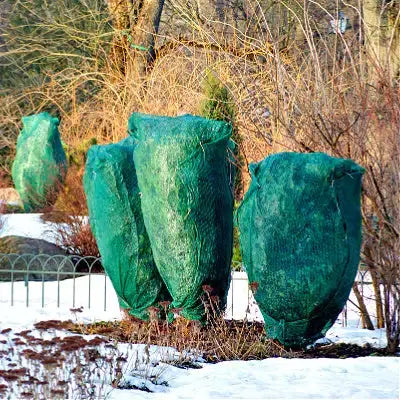
Winter Plant Preservation Techniques Explained
As the winter winds begin to blow cold across the countryside the subject must be faced of the treatment to be accorded to the plants that are grown in the gardens and greenhouses during the trying days of the winter seasons․ Some think that winter is a dormant period for the home gardener‚ but to the informed and resourceful horticulturist it is a time for plant preservation activities․ If we take care to preserve and encourage our plants during the harsh conditions of the winter months‚ we can prolong their life cycle and prepare for what is sure to be a beautiful and productive spring growing season․ With the correct planting and nurturing methods‚ winter can be a time of growing our connection to nature instead of despair․
One of the most important steps toward successful winterization is choosing the right plants for a particular garden‚ with some tolerating winter better than others‚ and some never at all․ Certain perennials‚ such as hellebores and snowdrops‚ are able to survive frost without wilting․ However‚ check that the hardiness zone of the plants you are growing will survive the winter temperatures in your area‚ as certain plants may not be hardy enough․ You may also want to use more native plants which are more suited to the climate and require less cost to grow and maintain․ Try to limit your choices to a few hardy plants to keep the number of plants that die during the winter reasonable․
Protect Plants in Winter with Cold Frames
Cold frames provide another way to protect plants during the winter months․ A cold frame is similar to a greenhouse; it shields plants from winter temperatures while exposing them to sunlight․ A cold frame may be as simple as a box with a clear plastic cover or one made from recycled windows․ Having it in a sunny spot allows for maximum potential effect‚ since the temperature will be heated during the day and insulated for nighttime at the same time․ Cold frames are also often used for starting seeds during late winter for an early start on the growing season‚ allowing the gardener to enjoy the satisfaction of an early crop․
Another method is to create microclimates․ A microclimate is an area with a particular climate that is different from the area around it․ Microclimates can be created by elevation differences‚ windbreaks‚ vegetation‚ and sun exposure․ For instance‚ a wall can absorb the heat of the sun during the day and release it at night․ Hedges and trellises can act as windbreaks and protect plants from the wind‚ allowing the plant to keep the heat․ If you are aware of these little pockets of heat in your garden and make adjustments accordingly‚ you will find that your plants are well cared for and happy in the micro-climate that you have created for them․
Frost dates are essential for overwintering plants‚ and also play a role in scheduling the garden season․ Learning the last average frost date in spring and the first average frost date in fall for your area will help to determine when to plant your seeds and when to protect tender plants such as seedlings from frost․ For example‚ if the first fall frost is scheduled for the first week of November‚ the gardener could cover tender landscaping plants with blankets or bring potted plants indoors‚ and not have to worry that the first frost will be a surprise․ Fall frost forecasts also allow for timely interventions to care for the plants and allow gardeners to maintain control over the plants․
Preserve Plants in Winter with Companion Plants
Companion planting may be helpful in winter․ Some plants help each other‚ and other plants work together to help their neighbors survive winter problems to which they could not survive alone․ For example‚ garlic and onions can be planted next to bug-prone plants‚ and leafy greens can be grown around more fragile plants to offer shade from the sun․ Planting helpful crops near other crops that have opposing characteristics can create a plant ecosystem where the plants are mutually helpful by living together‚ decreasing their life cycles․ Some ground covers can help hold soil temperature and moisture as well by providing extra protection from frost․ With the appropriate choice of plants‚ gardeners can create a community that can survive and thrive throughout the winter․
Therefore‚ overwintering plants does not need to be a laborious and painful task․ By using a variety of techniques like selective plant varieties‚ cold frames‚ microclimates‚ frost dates and companion planting‚ anyone can bring a little more green into their winter gardening․ So‚ despite all of the trials‚ tribulations and triumphs that accompany each of these choices‚ we also have the reward of knowing that‚ with a little effort‚ a little inventiveness‚ and with the fading and extending days of winter‚ the garden will blossom and burgeon once again when spring arrives․ We need to recognize that winter is not a barren time of horticultural death‚ but rather an opportunity for our gardens to write a different story․


