
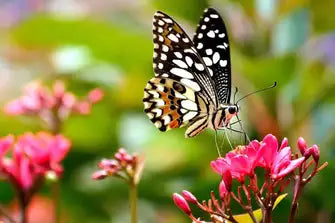
To build a successful ecosystem in your backyard, it begins with the selection of excellent pollinator plants. These consist of key garden elements that accommodate bees, butterflies, hummingbirds, and other useful insects and add bright colors and seasonal appeal to residential gardens. Plants for a pollinator garden are important because of the vital food sources and habitats offered by plants, which are very low-maintenance once established. We at TN nursery specialize in the sale of native and area-appropriate pollinator-friendly plants that are well-suited to the Tennessee climate.
Why Are Pollinator Plants Important for Gardens?
Pollinator plants are also important to healthy gardens, as they sustain the insects and birds that pollinate more than 75% of flowering plants and almost 75% of crops worldwide. The plants that attract pollinators enhance the overall garden health by sustaining the beneficial insects that can naturally control pests.
Other than serving the purpose of ecology, pollinator-friendly flowers provide vibrancy to gardens. They also flower during several seasons and therefore give year-round coloring from early spring to late fall. Their root systems enhance the soil structure, maintain the diversity of microbes, and enhance organic matter naturally. To guide the support of pollinators, the USDA Natural Resources Conservation Service has free materials on pollinator habitat conservation.
Top Pollinator-Friendly Plants for Your Backyard
TN Nursery also provides some of the best plants for a pollinator garden that is adaptable in Tennessee. The following are the best suggestions on our list of pollinator plants:
Evening Primrose
This is a native perennial flower that grows very big and has an unpleasant smell of yellow flower blooms, which open up in late afternoons and attract moths, bees, and butterflies in the evening. Evening Primrose is a very dependable pollinator plant to have uninterrupted summer flowers.
Forsythia Shrub
This is a very early flowering shrub, a deciduous shrub with bright yellow flowers that are essential for the bees that have just come out of their hibernation. Forsythia Shrub is also one of the earliest plants that attract pollinators during spring when food is limited.
Maximilian Sunflower
The native perennial is quite tall and blooms with cheerful yellow daisies at the end of summer and during the fall, when most plants have already stopped blooming. Maximilian Sunflower is a very good selection of pollinator-friendly flowers to prolong the blooming period.
Tall Phlox
It is a native perennial plant that has fragrant clusters of pink-purple flowers, which attract butterflies, hummingbirds, and useful insects during summer. The Tall Phlox is one of the most useful pollinator plants that can be used to add height and color to garden borders.
Dutchman's Breeches
This is a native herbaceous plant that grows in the form of a delicate seasonal flower with white and yellow blooms, nectar-producing in the first half of the year, and thus requires the use of a pseudonym to hide its true identity. The Dutchman’s Breeches can be a great addition to the list of pollinator plants in the woodland gardens.
How to Design a Backyard Pollinator Garden?
The first step in understanding how to get pollinated plants to grow in a garden is to design it well. Plant in a trio of five of the similar species instead of one to increase the visibility of the flowers to the pollinators over a distance.
Select plants for a pollinator garden that will be in flower at varying times of the growing season. Early flowering plants such as Forsythia help pollinate bees coming out of hibernation, whereas late bloomers such as Maximilian Sunflower are vital in feeding bees as their fall nears. Plants that attract pollinators in the shade and the sun should be included, with various heights to provide a different structure of habitat.
Pesticides should be avoided because they kill useful insects. And put out water sources with shallow dishes on which to land, and leave bare ground on which to nest.
Seasonal Planting Tips for Pollinator Success
The time of planting has to be done right in the case of learning how to get pollinated plants to grow in a garden across several seasons. Most pollinator plants are best planted in spring, and roots have time to grow before the heat of summer. Fall planting is also good with a lot of pollinator-friendly flowers, particularly those that flower in spring.
Keep the soil moist throughout the initial growing season, and this will aid plants that attract pollinators to have a good rooting system. Coat the base with two to three inches of mulch so as to trap moisture and eliminate weeds. TN Nursery includes specifications with each order on planting instructions.
Step-by-Step Planting Guide for Pollinator Plants
When pollinator plants are seasonally planted properly, they will be established well and result in years of consistent flowers. Follow these steps:
-
Organize the site: Select sites where sunshine is sufficient and fertilize the soil with compost and organic matter.
-
Plant in the proper place: Spacing is important; allow the plants to grow to maximum size, usually 18 to 24 inches between the plants.
- Plant to the right depth: Have the crown level with or a little higher than the soil.
Post-Planting Care
Newly planted plants for a pollinator garden need profound watering every one or two times per week during the initial growing season. Pollinator-friendly flowers mostly do not need fertilizing since lean soils promote vigorous root growth. Deadhead used flowers of such varieties as Tall Phlox to prolong the periods of flowering.
Conclusion
The pollinator plants have diversified home and backyard gardens, including maintaining biodiversity, providing seasonal color, and forming a self-sustaining ecosystem with minimum maintenance. These are critical plants that keep the season after season pollination good and the wildlife population healthy. You can use the aromatic Evening Primrose, the early Forsythia Shrub, the late Maximilian Sunflower, the universal Tall Phlox, or the fragile Dutchman Breeches; any of the varieties that the TN Nursery has to offer are chosen based on quality. Trust TN Nursery as your good source of plants for a pollinator garden.
FAQs
What is the best plant for pollinators?
The best pollinator plants that allow continuous production of nectar include Evening Primrose, Maximilian Sunflower, and Tall Phlox.
Which pollinator plants grow best in Tennessee gardens?
Some native plants, such as Evening Primrose, Forsythia, and Maximilian Sunflower in our pollinator plants list, do well in the Tennessee climate.
Can pollinator plants thrive in shade or full sun?
The majority of pollinator-friendly flowers like full sun, but Dutchman Breeches and certain types can withstand partial shade.
How often should I water pollinator plants?
Attractive water plants to pollinating insects once or twice per week during the first season, and only then during dry seasons.
Are native pollinator plants low-maintenance?
Yes, native pollinator plants need little watering, no fertilizing, and little pruning after establishment.
Where can I buy pollinator-friendly plants online?
TN Nursery sells high-quality plants to create a pollinator garden and provides expert advice on how to achieve the success of growing a garden with pollinated plants.


