
Plant Nursery Nearby: What to Look For and Why TN Nursery Delivers
Looking for a plant nursery nearby? More than just a nursery‚ but a grower who knows your zone‚ soil type‚ and the length of the growing season? TN Nursery is located ten miles outside of McMinnville‚ Tennessee․ For the last thirty years‚ we've been growing our plants specifically for the Zone 6/7 gardens of Middle Tennessee․ That's the difference between a plant that limps through its first summer after planting and one that will thrive for a decade․
Why knowledge of location and climate is more important than proximity
Many nurseries ship in stock grown elsewhere‚ often from the Pacific Northwest or Midwest․ Plants will not perform in Tennessee's clay soil and humid summers as if they had thrived in their cooler‚ drier native habitat․ Plants from cooler climates do poorly in Tennessee‚ either not hardened off against the spikes of July heat or the sudden spate of February cold․
Everything at TN Nursery is propagated and grown on our own 100 acres under true Middle Tennessee conditions‚ so the root systems‚ the volume of the tops‚ even the cold hardiness you get already match what your yard is going to throw at them․ Or the hydrangeas or native azaleas you take home from us will already be used to swinging between 95 degrees Fahrenheit in August and 15 in January․
Our Plant Varieties for You to Choose From
We have a wide variety of merchandise and we buy according to what sells in this region in particular․
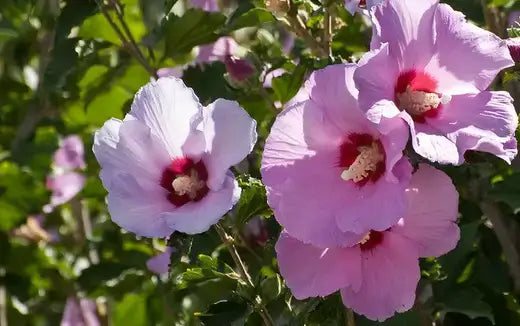
Flowering shrubs: Hydrangeas‚ rose of Sharon and lilac can bloom reliably from late spring through summer․ Hydrangeas do well with a bit of afternoon shade here‚ where full southern exposure in a Tennessee summer will leave blooms burned up by mid-July․
Native woodland plants like azaleas‚ dogwoods‚ and ferns will grow in the dappled shade that is common under some trees in Middle Tennessee․ If you have dappled shade under oaks or hickories‚ these are the plants that will actually fill in instead of struggling for light․
Blackberry vines‚ apple trees‚ and peach trees grow well throughout the county‚ but bare-root fruit trees need to be planted before they break bud between late February and mid-March‚ so that the roots will develop before the summer heat․
Perennials such as Salvia‚ yarrow‚ and ornamental grasses that return year after year seem to do better in our clay soil than many of the imported perennial plants that require heavy soil amendment prior to the first winter․
Broadleaf evergreens like holly‚ boxwood‚ and euonymus give you some structure and green in the winter garden when everything else has disappeared․
We have some cold-hardy species not even sold at the big box garden centers‚ which have to provide plants for the national average climate‚ not just Zone 6/7․
Timely Gardening in Tennessee: Planting Dates
In Middle Tennessee‚ the best time to plant trees‚ shrubs‚ and perennials is generally between September and early November․ During this time‚ the soil is still warm enough for root growth‚ while the air around the plant has begun to cool off‚ relieving some of the heat stress on the plant․ You can also plant in spring (March through May)‚ but will need to watch the watering once summer kicks in․
Water deeply two to three times a week the first month‚ and if no rain falls‚ once a week during the first season․ Tennessee's clay soil holds moisture longer than sandy soils‚ so the greatest mistake with new plantings is overwatering‚ not underwatering․ Check the soil by sticking your finger two inches to see if it feels damp․
Soil Prep: The Step Most People Skip
The soils of most of Middle Tennessee are heavy clay with a slightly acidic to neutral pH․ This is adequate for most natives‚ but plants that prefer loose‚ well-drained soils may not thrive․ One way to accomplish this is to amend the planting hole with 25-30% compost or aged pine bark for a better soil texture․ You're not looking to replace the native soil (this can create a bathtub effect where the water pools around the roots)‚ but to loosen the soil enough for roots to grow․
For the acid-loving plants such as azaleas and hydrangeas‚ it's worth taking the ten minutes to test your soil․ If the pH is above 6․5‚ you can lower it slowly using an application of elemental sulfur or pine fines over one or two seasons․
What sets a good local nursery apart?
A nursery within driving distance should offer a few things a national shipping company can't:
- Plants that have never been boxed or shipped across climate zones‚ resulting in less transplant shock - Staff who can tell you‚ specifically‚ how a plant performed in this year's weather patterns‚ not generic care tags - It is better to know the actual size and health of the plant than to rely on a stock photo - Local pickup‚ which saves plants from the stress of being shipped during extreme temperatures in summer
At TN Nursery‚ we offer you a chance to walk through growing fields if you'd like to see a mature version of a plant before ordering‚ which is something that's virtually impossible online․
Seasonal plant care once you get home
Do not fertilize the first two weeks after planting; rather‚ let the roots settle into the soil․ A slow-release granular fertilizer applied early in spring and early in fall is helpful for the establishment of steady growth without too much tender new growth just before winter․ If possible‚ you should apply a two- to three-inch layer of mulch around the base of the shrub or tree‚ keeping a few inches back from the trunk․
Another concern for evergreens is winter desiccation‚ dry cold wind that sucks out moisture faster than roots can provide it because the ground is partially frozen․ A deep watering immediately before the first hard freeze and then periodically during any dry spell in winter prevents desiccation․
Visit Us or Reach Out
If you'd like to visit a plant nursery near your home that's familiar with what will work in your Middle Tennessee garden‚ and you'd like to know about what plants to use and conditions in your yard‚ please visit our 100 acres of growing fields just outside McM․


