
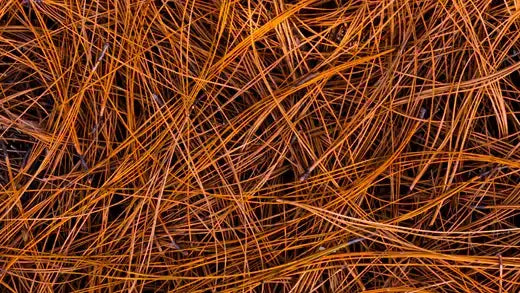
Using Pine Straw For Gardening
Pine straw for landscaping has many advantages that help garden owners keep their plots healthy and aesthetically pleasing. Using pine straw in your garden or yard may be the best thing you can do to keep a low-maintenance yet healthy garden. In this guide, learn the many benefits, advantages, and how to use pine straw as a finish for your outdoor space.
Pine Straw
Also called pine needles, pine straw consists of leaves that become a mulch and fall to the ground. Pine needles can be picked up and used to create a mulch and landscaping comestible. Pine straw Pine straw landscaping is the best alternative to the other common mulches used such as wood chips and bark for a number of reasons.
Advantages of Using Pine Straw in the Garden
Weeds Are Stopped
Pine straw mulch keeps weeds away. The thick blanket of pine needles acts as a natural barrier. The barrier prevents light from reaching the soil, which stops a weed's seeds from germinating. Therefore, pine straw reduces the need for constant weeding and minimizes the competition for plants.
Helps Keep Moisture
Pine straw helps keep the moisture in your garden. The needles come together and form a mat, and the mat helps keep moisture from evaporating away from the soil. So, moisture levels are kept fairly constant. Pine straw is especially helpful during hot, dry times when your plants need moisture.
Insulating Soil and Regulating Temperature
Pine straw is a great insulating material for your garden soil. It helps keep the soil cooler when the weather is hot and blocks sunlight. During colder times, the straw helps keep the soil warm and helps protect the soil from frost. It keeps the soil cooler, and this helps keep the root systems of the plants from overheating.
Soil Erosion Prevention
Due to its loose construction, pine straw is great for stopping soil erosion on gardens on slopes. It works as a wind and rain barrier, allowing top soil to remain. This is particularly important for areas which are prone to erosion or uneven dispersion gardens.
Nutrient Enrichment
Pine straw enriches soil by organically decomposing and adding matter to the soil. It also releases minerals, which makes the soil richer and better structured. This makes for healthier plants, as they are able to utilize better micronutrient soil.
How to Use Pine Straw in Your Garden: A Step-by-Step Guide
Prepare the Garden Bed
Check to make sure the garden bed is prepared before adding pine straw. Clear the site of weeds, organic matter, and rocks. If need be, add a layer of compost or organic fertilizer to give the plants a little nutrient increase.
Searching for the Good Pine Straw
When searching for good pine straw to use for landscaping, go for pine straw that has consistent length and uniform color. It is good to use newer pine straw, as it is more appealing and visually looks nice. Also, do not use pine straw with a lot of leftover debris, as it hinders the effectiveness of the pine straw mulch.
How to Use the Pine Straw
Apply the pine straw mulch to the garden bed evenly and make it a layer 2 to 3 inches thick. Do not make a mound of mulch surrounding the plants, as it can decrease airflow and lead to rot. Be careful and make a ring around the plants to promote airflow.
Renew and Maintain
Pine straw lasts for around 6 to 12 months. The mulch does decompose and as it does, compaction will occur, which decreases effectiveness. The layer does need to be looked at regularly as more pine straw will need to be added to keep it at the right depth.
Its Aesthetic Attributes
Pine straw has a rustic feel to it and can suit any style of garden, both formal and casual. For a consistent look, it is best to make sure the pine straw is evenly spread and covers the entire garden bed.
Conclusion
Using pine straw in your garden is a wise and multifunctional choice. Gardening benefits from it due to its natural weed suppression, moisture retention, insulation of soil, and other effective means that improve a garden. The year's advantages can be enjoyed by using pine straw in your garden, following the steps in the guide.
If you want to use pine straw to enhance your garden, visit TN Nursery for the best fresh pine straw and other garden items. To help you get the beautiful, abundant garden of your dreams, we have all of the many items in our online store that are designed to help you get the garden of your dreams.
FAQs
Is pine straw good for a garden?
Yes. Pine straw is very beneficial for your garden. It does a lot of good things such as preventing weeds, keeping moisture in the soil, insulating the soil, and adding nutrients. It is also an organic mulch that helps soil health, promotes plant growth, and protects the garden from environmental stresses.
What do you put down before pine straw?
When applying pine straw, it is best to make sure the garden bed has been cleaned of any weeds, debris, and rocks. It can also help to put down a layer of compost or organic fertilizer to enhance the nutrients in the soil. This helps your plants get a good start for growth when the pine straw is put down.
When should you put pine straw down?
Pine Straw is best in spring and autumn: The early spring and fall is arguably the best and most optimal time to put pine straw in your garden. The early spring and fall is the best season to put pine straw down in your garden as the temperature in the soil is most moderate and average. When temperatures are either very high or very low, pine straw can be added on top as a protective layer to shield against the heat in the summer or to protect against frost in the winter.
What are the disadvantages of pine straw mulch?
Pine straw is very useful and has many advantages, but it is important to consider the possible negative aspects to it. When the wind is active and when it's blowy outside, pine straw can be blown away, as it tends to be much lighter in weight than other mulch. Pine straws also can easily lower the pH and make the soil very acidic, which won't be great for planting or gardening, especially when there are a wide variety of plants to consider. You would need to make sure to put pine straw down in your garden periodically to make sure it is nutritious to stay effective.
Is it okay to put pine straw around tomatoes?
Yes. The mulch is fine to put pine straw around tomato plants. Pine straw does a very good job preventing weeds and helps in retention of moisture, which are useful and helps out tomato plants a lot. However, do be sure that the straw touches and is in contact with the base of your plants, as this can improve the chances of rot for the plants. Keep a gap around the stems of your plants, so that there is good air flow.
Does pine straw attract snakes more than mulch?
There is no determined proof that pine straw attracts snakes more than any other type of mulch. But like other types of organic mulch, it can provide shelter for small insects, which might get the attention of snakes looking for food. To minimize the chances of snakes, keep your garden tidy and avoid placing mulch along the edges of structures, such as walls or fences.


