
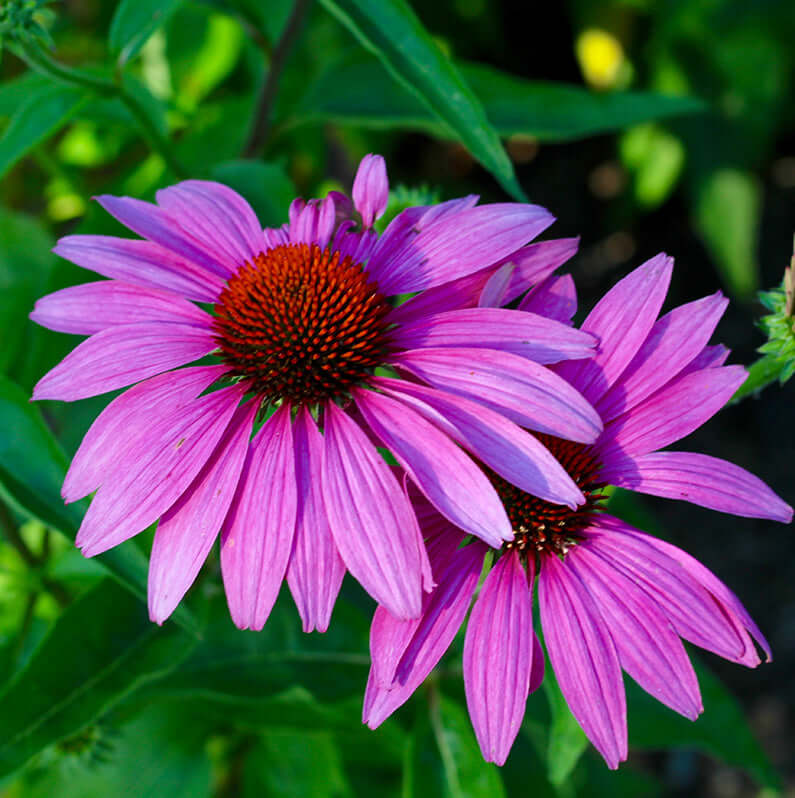
How Perennials Benefit the Environment (And Why Tennessee Gardeners Should Plant More of Them)
Perennials reduce soil erosion‚ use less water‚ feed pollinators for years rather than weeks‚ and sequester carbon in their roots and soils in ways that annuals never can․ And perhaps the most important part: they do just as much work below ground as they do above ground when it comes to their contribution to the environment․
If you've gardened in Tennessee any length of time‚ you're already familiar with the problems: heavy clay soil on the Nashville basin‚ rocky ground in East Tennessee‚ and rain that goes from drought to flash flood in the same month of the calendar year․ Perennials can handle all of this better than most annual plantings‚ and without drawing undue attention to the improvements they make․
What makes a plant perennial‚ exactly?
A perennial plant returns year after year from the same root system without having to be replanted․ In Middle Tennessee (Zone 7a) and the higher elevations of East Tennessee (Zone 6b)‚ most perennials die back to the ground after the first hard frost․ Usually these plants return in March or April when the ground temperature exceeds a minimum of 50 degrees F․ Coneflowers‚ black-eyed Susans‚ daylilies and native asters are some examples of perennials․
This is contrasted with annuals and other one-season plants that are replanted each year‚ disrupting the soil structure each time it is done․
The Root System Is Doing the Real Work
This section is missing from most articles about perennials, but it is the most important section for understanding environmental impact․
Even though an annual plant's roots may only be 6 to 12 inches deep by the end of a growing season‚ the roots of perennial plants like the purple coneflower or native perennial prairie grass may reach 4 to 8 ft (1․2 to 2․4 m) deep after three to four seasons․ Switchgrass roots can be as long as its blades․ Indeed‚ as well as holding it‚ the roots make the soil․
Deep perennial roots channel water‚ an important service on heavy clay soils in central Tennessee where standing water‚ compacted soil‚ and soil erosion are problematic after spring storms․ Perennial roots take atmospheric carbon and sequester it in the soil as organic matter‚ which annual roots barely begin to accomplish before they die off․ Research on prairie restoration has shown that perennial root systems can sequester carbon at several times the rate of annual crop systems just because the plant isn't starting over every year․
Less Water‚ Less Fertilizer‚ Less Runoff
Once established after their second full growing season‚ most perennials require far less supplemental water than annual bedding plants․ The roots of perennial plants grow deeper in the ground‚ accessing moisture that is unavailable to the shallow annual plant roots․ July and August are known to be the driest months in Tennessee․
Perennial beds can need less added fertilizer because as their leaves die back‚ they decompose in place and provide nutrients back to the soil every fall․ This decreases the amount of synthetic fertilizers washing into storm drains and into the Cumberland or Tennessee River when it rains‚ a concern in heavily residential areas that are fertilized․
Pollinator Support That Actually Lasts
Single annual beds planted with one uniform type of bedding plant may bloom for six to ten weeks before being dug up, and replaced․ Perennial beds planned using a succession of bloom may provide nectar and pollen from March through October․
Native and near-native perennial flowers can serve these purposes very well․ Purple coneflower‚ black-eyed Susan and bee balm‚ for example‚ support honeybees‚ native bees and butterflies through the height of summer․ Asters and goldenrod are among the few flowering plants available in September and October‚ when the monarch butterflies are migrating through Tennessee for their fall migration southward․ Plantings of these plants can provide much more benefit to the local pollinator population than any one large flowering planting ever could․
TN Nursery's perennial flower offerings are all based on this same idea: showy and beautiful in an ornamental bed with consistent pollinator food and soil building every year․ These would include some of the coneflower cultivars and daylilies that thrive in the clay soil and humid conditions of Tennessee․
Soil Erosion Control on Slopes and Bare Areas
Ornamental grasses‚ creeping phlox‚ and ground cover sedums are several types of perennials with fibrous and spreading root systems that may work best for erosion control in back yards or other sloped areas where soil may wash away․ In contrast to annual groundcover or mulch‚ which must be applied each year‚ once a perennial groundcover is established, it will hold the soil in place forever․
This is especially important in Tennessee‚ where the rolling land found throughout much of Middle and East Tennessee means that many yards are going to have some amount of slope to them‚ and heavy spring rains can quickly wash away topsoil when nothing is present to hold it together․
Adaptability Without Chemical Intervention
Native perennials adapted to their environment may not need the level of attention to insect pests and fungi that most annuals do․ Native Tennessee perennials evolved with the particular insects‚ fungi‚ and climate of the region‚ and they do better than non-native annual bedding plants that are not adapted to survive the Southern summers without boom and bust cycles of diseases․ Less need for fungicide and pesticide application also means less chemical runoff for everything downstream‚ literally․
A Longer-Term Way to Garden
Perennials are high maintenance in the beginning․ A new coneflower or daylily might look stingy the first summer‚ move along the second summer and really start to put on the show the third summer․ That old gardening adage‚ sleep‚ creep‚ leap‚ is alive and well․ But‚ as the saying goes‚ good things come to those who wait: lower water bills‚ less soil disturbance‚ better pollinator activity‚ and a garden that improves the soil each season‚ rather than starting over anew․
But for those trying to garden in clay soil in Tennessee‚ where rainfall is inconsistent and unpredictable‚ it is worth it․
"

