
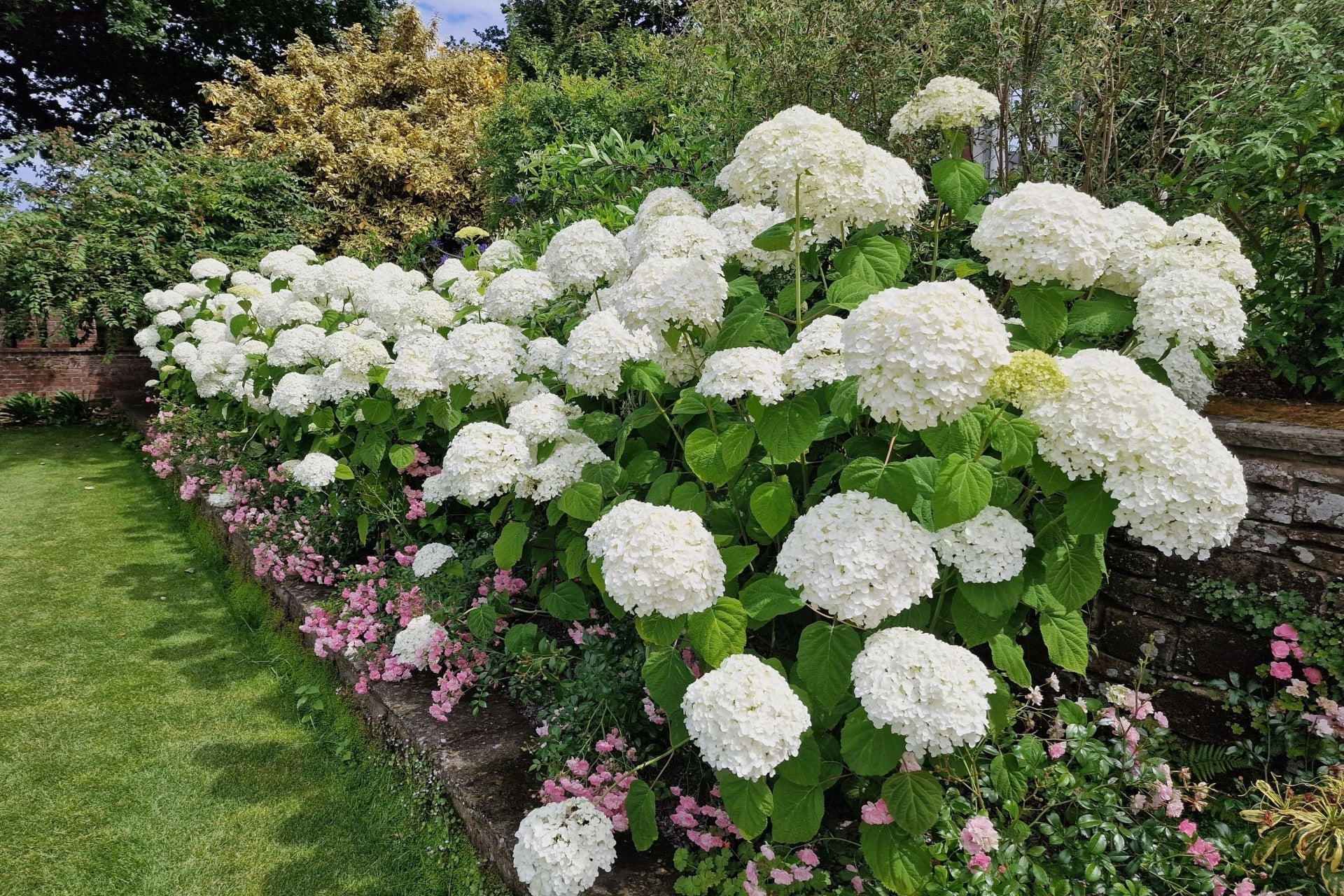
A simple thought is at the heart of Organic Gardening Solutions work with nature instead of against it. By using organic gardening methods, you can make the dirt healthier, keep pollinators safe, and grow strong plants without using harsh chemicals. Native plants are often the best because they don't need as much care, they help local wildlife, and they do well with organic plant care.
Today, you can use the Organic Gardening Solutions in this blog. These include building soil, choosing plants, and long-term organic gardening tips that will keep your yard looking great and last for a long time.
Why Organic Gardening Is a Must for Your Garden
Organic Gardening
By switching to organic gardening, you can protect the water, lower your exposure to chemicals, and bring life back to the land. Plants that are stronger and less likely to get pests or diseases grow in dirt that is full of microbes. The basis of organic plant care is the use of natural amendments rather than artificial ones.
When it comes to fertility, organic gardening fertilizer like compost, worm castings, and old dung are good choices. These slowly and steadily feed the soil's living things. Over time, the structure of your soil will get better, it will hold more water, and your plants will need less extra food.
In this setup, native plants do really well. They adapted to the conditions where they lived and do especially well with Organic Gardening Solutions that focus on healthy dirt and lots of different plants and animals. Once they are established, they usually need less care and water than exotics.
Top Organic Gardening Solutions and Practices
You can change the way you do organic gardening by picking up a few easy habits. These actions make things stronger and lessen the need for drug fixes.
Build Soil First
Add organic stuff first. Having a steady source of compost makes the texture and nutrition better. As regular changes, try adding compost drinks, leaf mould, or old manure. In addition to boosting good microbes, these natural sources function as efficient organic gardening fertilizer.
Mulch and Water Smarter
Plant
Put down a layer of 2 to 3 inches of organic mulch to keep the soil wet and keep weeds from growing. Mulch helps organic plant care by keeping the soil from getting too hot or too cold and adding organic matter slowly as it breaks down. To encourage strong roots, water deeply and less often.
Plant Natives for Long Term Success
Pick natural plants that will grow well where you live. One of the main goals of sustainable gardening is to use native plants because they need less care and help birds and insects. Try Wild Geranium for places in the woods that are shady. Cardinal Flower is a great choice for edges that don't get too wet and butterfly patches. Finally add Christmas Fern to make the ground cover evergreen and the soil stable in wooded areas.
Encourage Beneficial Insects
Stay away from broad-spectrum chemicals. Instead, make a home for predators like lacewings and ladybirds. Planting a variety of flower types and times of bloom gives good bugs a steady source of food. This is one of the most important organic gardening tips for keeping pests in check.
Keep It Local, Keep It Sustainable
Making methods that last is what sustainable gardening is all about. Landscaping that uses native plants, natural fertilisers, and water-wise habits is more durable and doesn't need as many resources. You can cut down on inputs and upkeep by choosing plants that do well in the microclimates in your yard.
Sustainable gardening success can be achieved with these few easy steps:
- Put plants together based on how much water they need to keep from wasting water.
- Use drip watering and rain barrels to save water.
- Leave leaf litter in safe spots to feed soil life over the winter.
These steps go along with Organic Gardening Solutions and help you make a garden that looks great and is good for wildlife.
Simple Organic Plant Care Routines
Gardening without poisons is easier when you do things every day. Here are some simple steps you can add to your schedule:
- Check plants once a week for early signs of pests or diseases.
- Instead of spraying, remove caterpillars by hand or cut back leaves that are damaged.
Add compost to the top of your beds every spring and autumn. Use partner planting and cover crops to help the soil naturally fix nutrients.
For home gardeners of all types, these organic gardening tips are useful, cheap and work well.
FAQs
What are the best Organic Gardening Solutions?
The best things that can be done are to add compost to the soil, use local plants, mulch, save water and encourage good bugs to live there.
What are five organic fertilizers?
A lot of people use and like compost, worm castings, aged dung, bone meal and kelp meal.
How do organic plants improve garden health?
Organically grown plants have stronger roots, attract wildlife and build up soil life that naturally keeps pests away.
Which plants are ideal for organic gardens?
Native plants like Wild Geranium, Cardinal Flower and Christmas Fern are great because they don't need much care and help pollinators.
Is organic gardening easy to maintain?
Yes. Organic gardens usually need less work and inputs than chemically managed landscapes after the initial cost of building up the dirt and choosing plants.
See the reliable tools at gardening.org for more advice based on science and tips that are specific to your area.


