
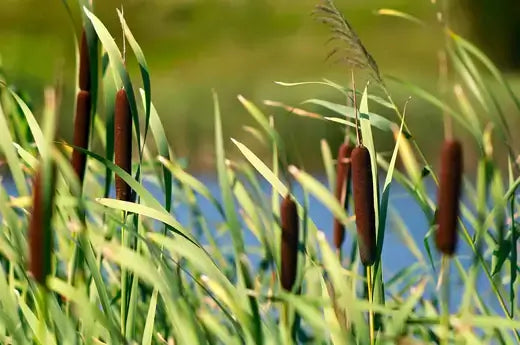
The world is alive and all ecosystems are intertwined as part of a mosaic of life‚ and ecosystems function in their own ways․ However‚ the native species that are usually the most important in these systems have adapted to the ecosystem's characteristics and make up the ecosystem's life force․ Just as the shade of the nonmigratory tree or the perfume of the indigenous wildflower is a link in the chain of living things that make up the environment‚ so the tree‚ shrub‚ flower‚ bird‚ and animal of native origin combine to form the fragile web of nature․ Yet we can learn to appreciate their value‚ and do something about it for all of us․
The Beauty Of Native Plants
The native species here are beautiful‚ but face threats that could cause them to die out‚ including climate change‚ loss of habitat‚ or encroachment of their territories by humans․ As cities have grown‚ forests have been cut down‚ wetlands drained‚ and many native species' habitats destroyed‚ with climate change having negative effects on native plants․ Climate change could change the normal temperature and precipitation conditions in an area to the point where it is no longer suitable for the normal flora‚ and without some sort of artificial intervention‚ such species would disappear from the ecosystem‚ leaving all the benefits that they provide․
Beyond aesthetics‚ there are important functions of biodiversity․ Ecosystems composed of a larger number of native species are generally more resilient to disease‚ inclement weather‚ and other natural forces than ones with fewer species․ Biodiversity also enables important ecosystem services‚ including pollination‚ nutrient cycling‚ and soil formation‚ that are used in agriculture and essential to feeding humans․ Genetic diversity within species provides the potential for adaptation to a changing environment‚ and all the native species contribute to a functioning interdependent and integrated ecosystem of plants‚ animals‚ and people‚ making the conservation of natural areas critical to the maintenance of biodiversity․
Why Native Plants Are Better For The Ecosystem
The introduction of intrusive plants to new areas can greatly affect ecosystems‚ they may often times outgrow native plants․ Typically‚ intrusive non-native plants will grow rapidly and use large amounts of water‚ sunlight‚ and soil nutrients․ They will take hold and create monocultures that outcompete native plants․ The loss of native plants has a detrimental effect on the entire ecosystem․ Invasive plant species disrupt the local food web and affect pollinators‚ the food webs‚ and native animal populations․ Recognizing and managing the impact intrusive species have is important for protecting and restoring ecosystems․
In addition to their visual and sensory appeal‚ many native plants‚ directly or indirectly‚ fulfill important ecological roles by helping to prevent soil erosion and providing habitats for other organisms․ Because native plants are adapted for the local soil and weather‚ they require fewer chemical fertilizers or pesticides․ Many species also support a set of unique insects‚ butterflies‚ and birds․ The specialist relationship between a given native plant and the animals that consume it can establish a more complex interdependence in the food web‚ and makes a case for the importance of native species to maintaining healthy ecosystems and the conservation and restoration of native vegetation for the benefit of other organisms․
Native Plants Benefits
Native plants provide ecosystem services to humans in the form of air and water purification‚ climate regulation‚ and flood control through the ability of vegetation to intercept and slow rainfall․ Native plants can also improve parks and other areas where people go to relax and recreate‚ providing places for hiking‚ birdwatching and other nature-based activities․ They can also be planted into local landscapes and agricultural fields‚ providing helpful services with a smaller environmental footprint․ These will benefit local populations of native pollinators such as bees and butterflies‚ increasing agricultural productivity and the health of our food systems and letting us see how inextricably linked we are to plant life․
In other words‚ the indigenous plants and animals are the basis of all ecosystem services that support life on earth․ With so many other threats facing us‚ we must do something‚ whether that's campaigning‚ educating people or just planting a few native plants in our gardens and hopefully seeing out the survival of the species․ Not only does it help the diversity of the planet‚ it ensures the health of the ecosystem and the future of our species․ If we take this action together we can weave a narrative of resilience and stewardship that will ensure the legacy of these native species lives on․


