
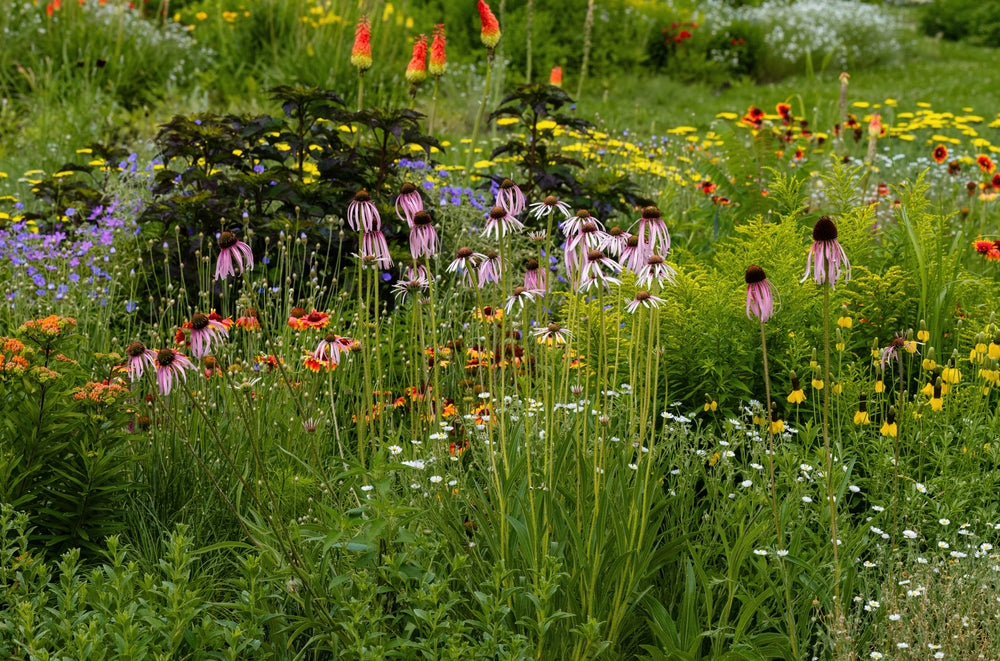
If you’ve ever dreamed of a landscape that practically takes care of itself, bursts with life, and supports the natural ecosystem around you, native plants are the answer. These plants are not just a trend—they are a return to balance. They represent resilience, sustainability, and a smarter way to garden. Whether you’re planting a backyard oasis, restoring land, or simply trying to reduce maintenance, native plants offer unmatched benefits.
This guide will walk you through everything you need to know about native plants—from what they are and why they matter, to how to choose, plant, and care for them successfully.
What Are Native Plants?
Native plants are species that have naturally evolved in a specific region over thousands of years. They’ve adapted to the local climate, soil conditions, rainfall patterns, and wildlife. Because of this long-term relationship with the environment, they thrive without needing excessive watering, fertilizers, or chemical treatments.
Unlike imported or ornamental plants, native species form deep ecological connections. They feed pollinators, shelter wildlife, and help maintain soil health and surrounding ecosystems.
When you plant native species, you’re not just gardening—you’re restoring a natural system.

Why Native Plants Matter More Than Ever
Modern landscaping often prioritizes aesthetics over ecology, leading to lawns and gardens that require constant watering, mowing, fertilizing, and pest control. This approach drains resources and disrupts natural habitats.
Native plants offer a better solution.
They dramatically reduce water use because they’re already adapted to local rainfall. They don’t need chemical fertilizers because they’ve evolved to thrive in native soil. Most importantly, they support biodiversity—something our environment desperately needs.
Pollinators like bees, butterflies, and birds depend on native plants for food and shelter. Without them, entire ecosystems begin to collapse. By planting native species, you’re helping rebuild those essential connections.

The Environmental Benefits of Native Plants
Native plants do far more than beautify your landscape. They actively improve the environment in measurable ways.
1. Water Conservation
Native plants typically require far less water than non-native species. Once established, many thrive on rainfall alone, reducing your need for irrigation and lowering water bills.
2. Soil Health
Their deep root systems improve soil structure, increase organic matter, and prevent erosion. These roots also help water penetrate the soil more effectively, reducing runoff and promoting groundwater recharge.
3. Reduced Chemical Use
Because native plants are adapted to local pests and diseases, they require fewer pesticides and herbicides. This means less pollution and a safer environment for people, pets, and wildlife.
4. Carbon Sequestration
Native plants, especially trees and grasses, absorb carbon dioxide and store it in their roots and soil, helping combat climate change.
5. Wildlife Support
From insects to birds to mammals, native plants provide food, shelter, and nesting sites that non-native plants simply cannot replicate.

The Economic Benefits of Going Native
Beyond environmental impact, native plants also make financial sense.
Lower Maintenance Costs
You’ll spend less on water, fertilizers, pesticides, and labor. Native landscapes are designed to work with nature, not against it.
Increased Property Value
Eco-friendly landscapes are becoming more desirable. A well-designed native garden can boost curb appeal and attract environmentally conscious buyers.
Long-Term Savings
While initial planting costs may be similar to those of traditional landscaping, the long-term savings are significant due to reduced maintenance.

Common Myths About Native Plants
Despite their benefits, native plants are often misunderstood.
Myth 1: Native Plants Look Wild or Messy
In reality, native gardens can be just as polished and beautiful as traditional landscapes. With thoughtful design, they offer texture, color, and structure throughout the seasons.
Myth 2: They Attract Too Many Bugs
While native plants do attract insects, these are beneficial insects that support pollination and natural pest control. A balanced ecosystem actually reduces harmful pests.
Myth 3: They’re Hard to Find
Native plants are becoming increasingly available through nurseries and online sources, making it easier than ever to incorporate them into your landscape.
Myth 4: They Don’t Bloom Much
Many native plants produce stunning blooms, often more vibrant and longer-lasting than non-native varieties.

How to Choose the Right Native Plants
Selecting the right plants is key to success. Even though native plants are adaptable, matching them to your specific conditions will ensure they thrive.
Understand Your Soil
Is your soil sandy, clay-heavy, or loamy? Native plants are adapted to specific soil types, so knowing what you have will guide your choices.
Consider Sunlight
Note how much sunlight your space receives. Some native plants thrive in full sun, while others prefer shade or partial shade.
Evaluate Moisture Levels
Do you have dry areas, wet spots, or consistently moist soil? Native plants are available for every condition, from drought-tolerant species to those that love water.
Think About Purpose
Are you planting for beauty, privacy, erosion control, or wildlife support? Your goal will influence your plant selection.

Popular Types of Native Plants
Native plants come in many forms, allowing you to create diverse and dynamic landscapes.
Native Trees
Trees provide shade, improve air quality, and serve as habitats for countless species. They are the backbone of any landscape.
Native Shrubs
Shrubs add structure and seasonal interest. Many produce berries that attract birds and wildlife.
Native Perennials
These plants return year after year, offering reliable color and texture with minimal effort.
Native Grasses
Grasses are essential for soil stabilization and add movement and softness to your landscape.
Native Ground Covers
Perfect for filling gaps, these plants reduce weed growth and help retain soil moisture.

Designing a Native Landscape
Creating a native garden doesn’t mean sacrificing design—it means enhancing it.
Layering
Use a mix of trees, shrubs, perennials, and ground covers to create depth and visual interest.
Seasonal Interest
Choose plants that bloom at different times to ensure your garden looks beautiful year-round.
Natural Groupings
Plant in clusters to mimic how plants grow in the wild. This creates a more cohesive and natural look.
Paths and Edges
Define spaces with walkways or borders to give your garden a polished appearance.

How to Plant Native Plants Successfully
Preparation
Clear the area of weeds and prepare the soil if necessary. While native plants don’t require rich soil, removing competition helps them establish.
Planting
Dig a hole slightly larger than the root system. Place the plant at the same depth it was growing previously and backfill with soil.
Watering
Water thoroughly after planting. While native plants are drought-tolerant once established, they need consistent moisture during the first growing season.
Mulching
Apply mulch to retain moisture and suppress weeds, but avoid piling it against the plant’s base.

Caring for Native Plants
One of the biggest advantages of native plants is how little care they require.
Watering
After the first year, many native plants need little to no supplemental watering.
Fertilizing
Most native plants do not require fertilizer. In fact, too much can harm them.
Pruning
Minimal pruning is needed—just remove dead or damaged growth as necessary.
Weed Control
Once established, native plants often outcompete weeds naturally.

Supporting Pollinators and Wildlife
Native plants play a crucial role in supporting pollinators like bees, butterflies, and hummingbirds.
To maximize their impact:
-
Plant a variety of species to provide continuous blooms
-
Include host plants for caterpillars
-
Avoid pesticides
-
Provide water sources
By doing this, your garden becomes a sanctuary for wildlife.

Native Plants vs. Invasive Species
It’s important to understand the difference between non-native and invasive plants.
Non-native plants come from other regions but may coexist without causing harm. Invasive species, however, spread aggressively and disrupt ecosystems, often outcompeting native plants.
Replacing invasive plants with native alternatives helps restore ecological balance and protect biodiversity.

Regional Adaptation Matters
Native plants vary by region, so what thrives in one area may not work in another.
In Tennessee and the surrounding regions, native plants are particularly valuable because they are adapted to local weather patterns, soil types, and wildlife needs. Choosing region-specific natives ensures better growth and less maintenance.

Creating a Sustainable Future with Native Plants
Planting native species is more than a landscaping choice—it’s a commitment to sustainability.
As more people adopt native gardening practices, the collective impact becomes powerful. Water use decreases, wildlife populations recover, and ecosystems become more resilient.
Every yard, no matter how small, can contribute to this change.

Getting Started Today
If you’re new to native plants, start small. Replace a section of your lawn, add a few native perennials, or plant a native tree. Over time, you can expand your efforts and transform your entire landscape.
The key is to begin.
5 Best Native Plants to Attract Pollinators
Final Thoughts
Native plants offer a smarter, more sustainable way to garden. They reduce maintenance, save money, and support the environment in ways traditional landscaping simply cannot match.
By choosing native species, you’re not just creating a beautiful space—you’re making a meaningful impact.
Your garden becomes more than a place to enjoy—it becomes part of something bigger.


