
Native Plant Benefits for Tennessee Gardens: What Actually Grows Well in Zones 6b-7b
No matter where you garden in Tennessee‚ native plants will solve problems that nursery ornamentals cannot․ Poor clay soil‚ hot and humid summers‚ and freeze-thaw winters would defeat most ornamentals‚ but plants that have evolved with these same conditions‚ such as Blanket Flower‚ native ferns and Black-Eyed Susans thrive in Tennessee gardens․ That's the short answer․ Here's the long answer for the folks who live in Nashville‚ Knoxville and Chattanooga and the zone 6b-7b growing region․
Why Plants Native to Tennessee are Non-Negotiable
Much of Middle and East Tennessee sits over heavy clay subsoil and has only a few inches of topsoil‚ often compacted by years of construction and mowing․ Non-native perennials bred in loamy Midwestern soil are difficult in this situation‚ as they cannot penetrate the clay․ Plants cannot tolerate the waterlogged spring rains or the dry hard extreme July heat․
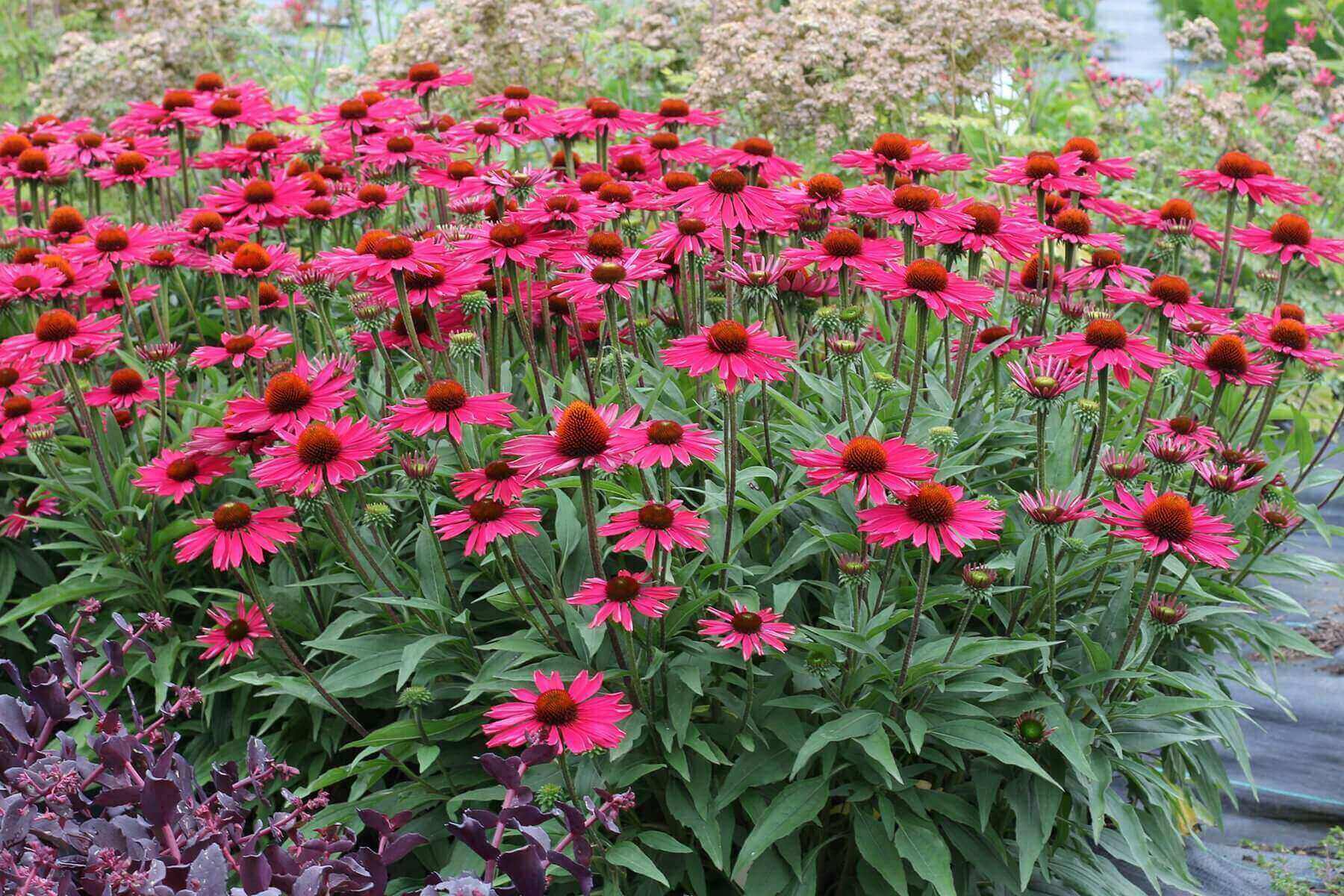
Native species sidestep this‚ having co-evolved to cope with the extremes․ For instance‚ the purple coneflower evolved a taproot system to deal with clay in the transitions to bedrock in Tennessee and related droughts․ No need to amend the soil with gypsum or truck in a layer of topsoil․ Just plant it in fall (October is a good time here)‚ water twice a week for the first half-dozen weeks‚ and by the following June‚ it will be all but self-sufficient․
The Real Timeline for Establishment
There's a lot of information out there about natives that describes their characteristics as "low maintenance"‚ but that doesn't tell you what it means for us․
Year one: Water new native plantings 1-2 inches per week if no rain; roots are too new to reach moisture deeper in Tennessee's hot summer soil to withstand the heat․
Year two: Watering is reduced to occasional deep soaks only during prolonged dry periods when there are two or more weeks with no rainfall․ Roots reach subsoil moisture․
Years three and onward: Most native TN perennials‚ such as Coneflower‚ Black-Eyed Susan‚ native asters‚ switchgrass‚ require no water after establishment‚ except in extremely dry years․ This is the pay-off period that competitors gloss over․ You have to work at it for the first couple years‚ but then maintenance is easy․
Biodiversity Support: More Specific Than ""Helps Wildlife""
Native plants are adapted to local insects․ Insects have evolved to eat native plants and nothing but them․ Monarch caterpillars will only eat milkweed‚ not butterfly bush‚ not any flowering shrub or any other kind of flowering plant‚ only milkweed․ Tennessee has several native species of milkweed including Butterfly Weed (Asclepias tuberosa)‚ which is a food source for migrating monarchs that pass through the state in spring and fall․
The same is true of native bees: around 70% of native bees in the Southeast are specialist pollinators‚ depending on a few families of plants․ A yard full of hybridized‚ non-native ornamentals may look full and colorful‚ but it is a veritable food desert for local pollinators․ Just a few native aster or goldenrod plantings bring in the solitary bees and skipper butterflies that never go near our non-native plantings․
Erosion Control Measures for Tennessee
The problem is more popular in hilly areas‚ though; while much of the landscape of Tennessee is hilly‚ particularly in the east near the foothills‚ a good deal of the landscape is on slopes that could potentially lead to runoff in heavy spring rain․ The roots of native ferns (Christmas Fern and Ostrich Fern) form a coarse‚ fibrous mat that can hold soil better than turf grass or other shallow-rooted annuals․
We commonly use this species on shady hillsides and streambeds for customers facing site erosion problems after heavy rains․ Christmas Fern remains evergreen throughout the winter‚ which is especially important in our work‚ keeping the roots actively working when other plants have gone dormant for the season․ It is more effective if you have an area on a shaded slope that is losing soil every time it rains․
Shade Tolerance of Trees on Woodlots in Tennessee
Many of Tennessee's historic neighborhoods in Nashville and Knoxville have tree canopies‚ which provide only dappled light․ Non-native shade plants can often appear wispy and spindly when growing in these conditions․ Native woodland species like Wild Ginger‚ native Hostas‚ and a variety of ferns are actually quite at home‚ as this closely mimics conditions on the forest floor․
If you desire a deeper shade‚ try one of the many ferns offered by TN Nursery‚ and for a sun filled garden‚ Blanket Flower brings season long color without deadheading․
Air and Soil Quality: What Does ""Bio-Indicator"" Mean?
Native plants can be used as bio-indicators‚ as high concentrations of trace elements like arsenic‚ or an increase in the amount of agricultural fertilizers or pesticides (often at old construction sites or former farmland) can be detected by visible changes in plant health: leaf discolouration or stunted growth‚ for example․ For unknown locations‚ it can be worthwhile to test the soil by planting a few hardy natives in the first season and observing what problems they encounter before planting the full landscape․
But all plants filter air pollutants and respire carbon dioxide․ Also‚ native plants often thrive better in their own local air and soil than non-natives‚ which could mean that a native plant has more leaf surface area doing the filtering‚ than a non-native plant is able to support under the same air and soil․
Why Native Beats Invasive-Prone Ornamentals
That being said: many of the most common ornamental plants sold at big box stores in Tennessee are listed by the Tennessee Invasive Plant Council as intrusive species‚ including Chinese Privet and Bradford Pear‚ which can escape cultivation into open spaces and displace native plants for generations after their introduction․ Choosing native landscaping helps attract wildlife and reduce the maintenance and costs associated with this endemic problem․
Getting Started
Fall planting gives a spring native bed the best head start․ The cooler fall weather causes less transplant shock and gives the native plant's roots a couple months to grow before summer heat․ Try Blanket Flower in sun‚ Christmas Fern in shade‚ and Purple Coneflower if you want to attract pollinators․ From there‚ extend outward as you see what th


