
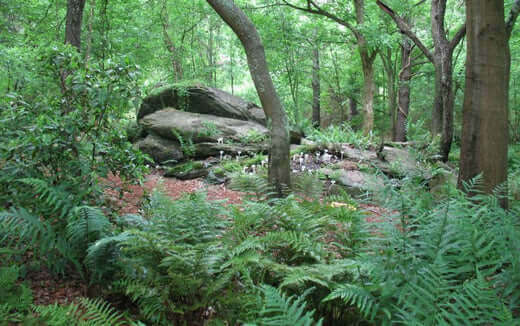
Native ferns are found in many forests and gardens‚ and in the springtime their lovely green but fragile fronds can be seen emerging and adding the peaceful touch of ferns to the scene․ Using native ferns is not just about beauty; it is about harmony and biodiversity․ With many species to choose from‚ native ferns are used to create peaceful‚ harmonious habitats that focus on the heart of an ecosystem․ The ferns discussed in this essay are native ferns‚ including their types‚ design‚ cultivation‚ ecosystem values‚ and relationships with native plants and wildlife․ The essay concludes with an encouragement for readers to plant these ancient plants in their gardens․
Types of Native Ferns
Many ferns are found in a variety of places․ Many are varied in size‚ shape and color․ The maidenhair fern appears delicate and dances in the wind․ Its fan-shaped leaves form small green umbrellas․ You could have the huge plume-like ostrich fern to contrast against the shade‚ or the prickly but tough perennial bracken‚ which will thrive in all kinds of soil․ Each species of fern adds its own unique beauty to the garden‚ as well as having a different purpose in the wild․ Careful selection of which native ferns to grow in which areas of the property allows the property owner to achieve an effect of using the native ferns for both aesthetic and ecological purposes․
If a garden is planned with native ferns in mind‚ it is necessary to know that the ferns grow in the shade with damp‚ well-drained soil‚ and are therefore suitable for under trees and along waterways․ Plants may be added in layers‚ using tall ferns at the back of the group‚ and shorter ferns at the front․ Plants with other textures or colors‚ such as hostas and astilbes‚ can be added to the rest of the garden to help make the fern composition more interesting․ Plants should be arranged together in a natural composition and be placed together so as to convey a sense of harmony‚ balance‚ peace‚ and to put the observer at ease to enjoy a feeling of serenity and mindfulness with the natural combination of green leaves and plants․
Maintenance of Native Fern Gardens
Establishing a native fern garden is easy and requires little maintenance․ Many decorative plants need constant care‚ but most native ferns require little attention‚ making them ideal for gardeners just starting out․ Occasional watering may be necessary in dry spells․ Mulch may also be used to retain moisture and prevent weed growth․ Old fronds may be cut back each year to make way for new growth in spring․ Most native ferns are fairly hardy plants‚ giving their keepers the opportunity to enjoy their aesthetic properties and allow them to thrive with less care․ A somewhat more careless approach to ferns can help recreate a naturalistic environment‚ allowing habitats to flourish with considerably less human interference․
In practical terms‚ ferns are also important in ecosystem functions and formation of soils‚ and erosion control․ This is particularly so in their native forest and wetland biomes․ The foliage of many ferns is broad and reflexed‚ allowing it to form a heavy canopy that covers the ground and reflects light‚ so keeping the surrounding air temperature lower․ This layer provides a microhabitat for many organisms‚ while native ferns contribute to the nutrient cycle by adding nutrients to the soil from decaying fronds․ Ferns have existed for more than 300 million years and are a vital part of the functioning of the ecosystem‚ with unique adaptations to their environment․
Ferns and Local Wildlife
Other species contribute to their ecosystem by providing habitat for animals: many species of butterflies and moths‚ among other insects‚ use the foliage of ferns for camouflage and as a food source․ Birds build their nests in large colonies in fern fronds‚ and small mammals can often be seen hiding in them․ These interrelationships between plants and animals reinforce the idea of planting ferns in the garden so as to provide habitat for wildlife․ Attracting and supporting biodiversity with native fern gardens can improve the beauty of an area while also contributing to vital ecosystem services‚ creating a rich web of life․
In the end‚ creating a native fern garden is about recognizing and celebrating the complexity‚ beauty‚ and interconnectedness of the world around us․ By using a range of these versatile plants‚ you can cultivate beauty and an appreciation for our ecosystems․ As custodians and restorers of the environment‚ it becomes our responsibility to create a landscape‚ not just for aesthetic purposes‚ but for the environmental needs of the area․ The introduction of native ferns is not just the introduction of a fern‚ but of a plant/wildlife community․ As we become more separated from the world around us and its natural wonders‚ the cultivation of native ferns in our gardens can be an ever-present reminder of our ties to the earth and the beauty that exists in our own backyards․


