
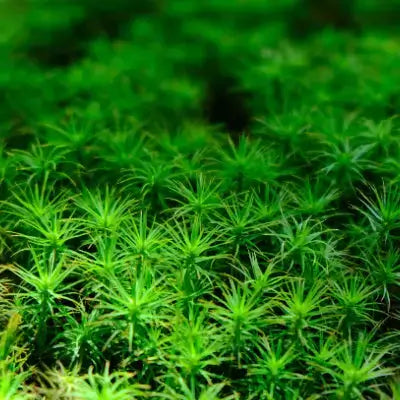
Creating Beauty with Moss Gardens
Most gardening enthusiasts are interested in showy blossoms and the color they add to a landscape; or the calmness provided by vegetation that is dominantly green․ Moss gardens provide a quietized‚ almost hidden landscape that appeals to people whose lives are filled with vibrant colors․ They also help create nice places to contemplate and revel in the natural beauty around us․ This article will explore how moss can help cleanse our gardens and environment‚ and how to incorporate moss into a landscape or gardening project in different ways․ Moss of every shade and variety‚ from the dark‚ damp contour of the forest floor to the weatherworn‚ romantic chinks of gray stone walls‚ offers an endless luxurious background for even the most fanciful art․
Advantages of Moss
Moss gardens have some ecological benefits as the mosses can help to create a microhabitat that is cool and moist enough to promote the growth of other plants․ Mosses also have a better capacity for water retention than most other plants․ Mosses require lower maintenance than a lawn (including less mowing and less watering) and are lower in resource consumption․ Mosses reduce soil erosion by holding soil particles on the ground‚ and they are used for water retention and binding of soil on hillsides and river banks․ Another advantage of moss gardens is that they offer a habitat for many small forms of life․ People who grow mosses are thus nurturing the ecosystem and contributing to the health of the environment while cultivating a tranquil and visually pleasing plant․
One of the primary functions for moss is to provide texture in the garden so that another layer of impact can be added without overloading the senses․ Unlike the stiff and vertical grasses and formality of flowers‚ moss appears to drape and curl around rocks or the sides of paths or stones‚ a cushioned green mosaic․ The moss-covered stepping stones are different shades of emerald greens and dark forest greens‚ inviting you to linger a little longer in this area of the garden․ Combined with other plants‚ moss can dramatically contrast with its surroundings and create a garden of textures that is pleasing to both the touch and the spirit․ Moss can thus be used not only for its visual effect but to improve a sensory experience of nature․
The tradition in moss garden care‚ as in many other things‚ is to look and see rather than to fertilize enthusiastically or weed with passion․ Mosses live well in shady‚ wet areas that many other plants struggle to survive in․ It is important to be familiar with the care of mosses‚ such as keeping them moist‚ but not always too wet‚ and keeping them from being choked out by other plants or sunlight․ Some people appreciate the reduced maintenance because the gardener can allow the moss to grow out of bounds‚ forming patches and carpets of moss․ Moss gardening on this level provides the gardener with a close association with nature that is characterized by slow walks and hours of quiet observation and thought․
Add Texture To Your Garden With Moss
Various kinds of mosses are better suited to various purposes․ For example‚ in wider areas outdoors‚ larger species such as Sphagnum moss can be used to create a cushion-like feeling underfoot․ Irish moss and cushion moss are smaller species that can be used in crevices in rocks or as ground covers․ A wide variety of moss species can be used together in gardens to create different colors‚ textures‚ and designs within the gardens․ The right species and ecological conditions‚ such as climate‚ can be used to achieve higher growth rates․ In this way‚ moss offers a gardening experience rich with discovery‚ as each type reacts differently in various conditions․
Moss in the garden also looks absolutely beautiful․ The soft‚ velvety texture adds a calming‚ peaceful quality to an area‚ which makes it the perfect spot for introspection and recollection․ Mosses can also be used as an accent or to complement a focal point in the landscape․ For example‚ moss can complement a favorite sculpture or a carefully designed fountain or pond․ Moss can be placed around river rocks or with ferns․ Moss can complement rustic‚ contemporary‚ or whimsical designs․ Some mosses are so attractive that they can make up the main part of a garden with the surrounding design being based around them․ Moss gardens can be low maintenance and are an easy way to make even the most unappealing garden an attractive environment․
In conclusion‚ the simplicity of moss gardens and the beauty of nature can inspire sustainability‚ creativity and appreciation of the small details in life that many often overlook in the chaos of modern living․ In an increasingly fast-paced world‚ moss gardens give us space to slow down‚ touch the earth and reconnect with the wonders of nature․ The truth is that moss is more than just a plant: it is a sensation‚ a color‚ a texture and the deepest truth of what it means to live in nature․ If we make a garden statement with moss‚ we open up a whole new world of observation and opportunities to enjoy the pleasures of landscaping from a fresh viewpoint․


