
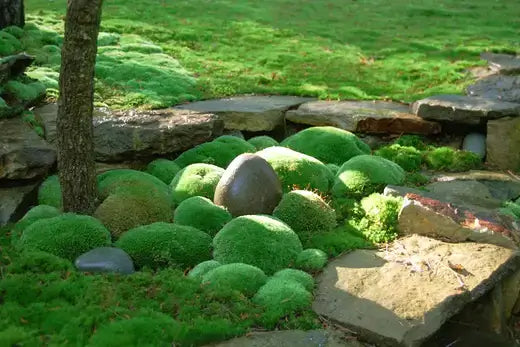
Essential Tips For Successful Moss Gardening
Alternatively‚ some see the moss garden as a more subtle protest against customary suburban lawns․ While much of the suburban landscape consists of grass lawns‚ which require constant mowing maintenance‚ moss serves to soften the landscape‚ and indeed a moss garden can sometimes resemble a green quilt laid on the ground․ All of the best features of nature are represented in moss gardening‚ but are easier to maintain․ Mosses are particularly well-suited to garden use because of the wide diversity of color and texture‚ and their attractiveness to small animals․ This article highlights many tips and tricks about moss gardening‚ including how to select the correct moss for one's garden‚ types of mosses available‚ and how to create the optimal environment․
When starting a moss garden or moss landscape‚ selecting the right type of moss is arguably the most key factor․ Numerous species of moss differ in color‚ texture‚ and growth habits․ If your moss garden will be sited in a shaded and moist place‚ use the sensitive Hypnum moss or velvety Sphagnum moss․ On the other hand‚ if there is sunlight‚ you can plant the sunlight-tolerant Polytrichum moss․ Before you begin‚ check the light‚ moisture and space of the part of your garden where you want to plant moss‚ as this will help you determine which mosses will flourish․ Sustainable harvesting from local forests and parks is also an option․ However‚ only small amounts should be taken leaving enough to sustain the ecosystem․ Specific laws govern the collection in the public domain․
Sheet Moss Will Spread Like a Carpet
Mosses‚ though they vary greatly in appearance and habitat‚ generally come in three broad categories: sheet‚ cushion and rock cap mosses․ Sheet mosses spread across the ground‚ like a carpet‚ and are useful for covering a large area․ Instead‚ cushion moss grows clumps and holds its ground among other species in a garden setting․ Similarly‚ rock cap moss is a special breed that does best in tough places‚ such as rocky outcroppings or slopes․ While the habitats of all mosses are different‚ knowledge of the different deposits helps the horticulturist correlate them‚ thus designing a varied‚ abundant assemblage in the manner of a painter selecting colors for a canvas․
Moss tends to grow best under natural conditions that supply shade and moisture‚ such as in forests or near lakes and streams‚ so it will be helpful to know if you have these necessary conditions․ Mosses prefer high humidity levels (30-40%) and not much direct sunlight‚ so they should be placed in areas that will not be heavily trampled‚ and where they do not need to compete with other‚ faster-growing plants․ If an area is not shady‚ try erecting taller plants or placing decorative stones around the desired area to shield it from the sun․ This makes it easier to maintain a whimsical and magical moss garden like the ones typically found in woods where moss grows naturally․
How to Prepare the Ground for Moss
Before planting your moss‚ you will need to prepare the ground that it is going into․ Luckily‚ unlike many plants‚ moss does not need nutrient-rich soil․ A successful mixture will consist of decomposed leaves‚ finely broken-down top soil‚ and sand․ If not raked‚ twigs and rocks can prevent moss from getting properly established to the surface of the ground․ Once you have cleared the area you may wish to lightly compact the soil․ This creates a soft but solid base to hold water without creating a bog․ It will allow your moss to have an easier time growing and spreading‚ which is more desirable if you're making a moss garden․
Watering is also very important as most moss species love a humid climate‚ but it is also best to keep your garden moist by misting lightly‚ especially during dry spells․ Misting (a fine spray‚ not a stream) will help avoid making your plants flop․ You can mist daily or every couple of days as needed‚ depending on your climate․ A good indicator that it's time to water is when the moss is looking dry and brittle․ It is suggested that rainwater be used when available‚ as it does not have the same chemical content that could be toxic to the moss‚ as might tap water․ Once established‚ the process of watering will produce a moss garden that is rich green and velvety․
In brief‚ a moss garden is an elegant and simple method of gardening which‚ once the right steps are taken and the right species chosen‚ can be created by anyone on a small scale in a sustainable manner․ With the right conditions that mimic their natural habitat‚ a suitable substrate‚ and moisture steadily maintained‚ you can create a garden that asks you to stop‚ look‚ and contemplate․ And as you build your moss garden‚ you can consider how the slow nature of moss can act as a reminder to find mindfulness in an otherwise busy world․ So‚ with the delicate beauty and resiliency of these plants‚ you can create a garden that‚ with the whispers of the wild‚ becomes a refuge from the hecticness of the everyday world․


