
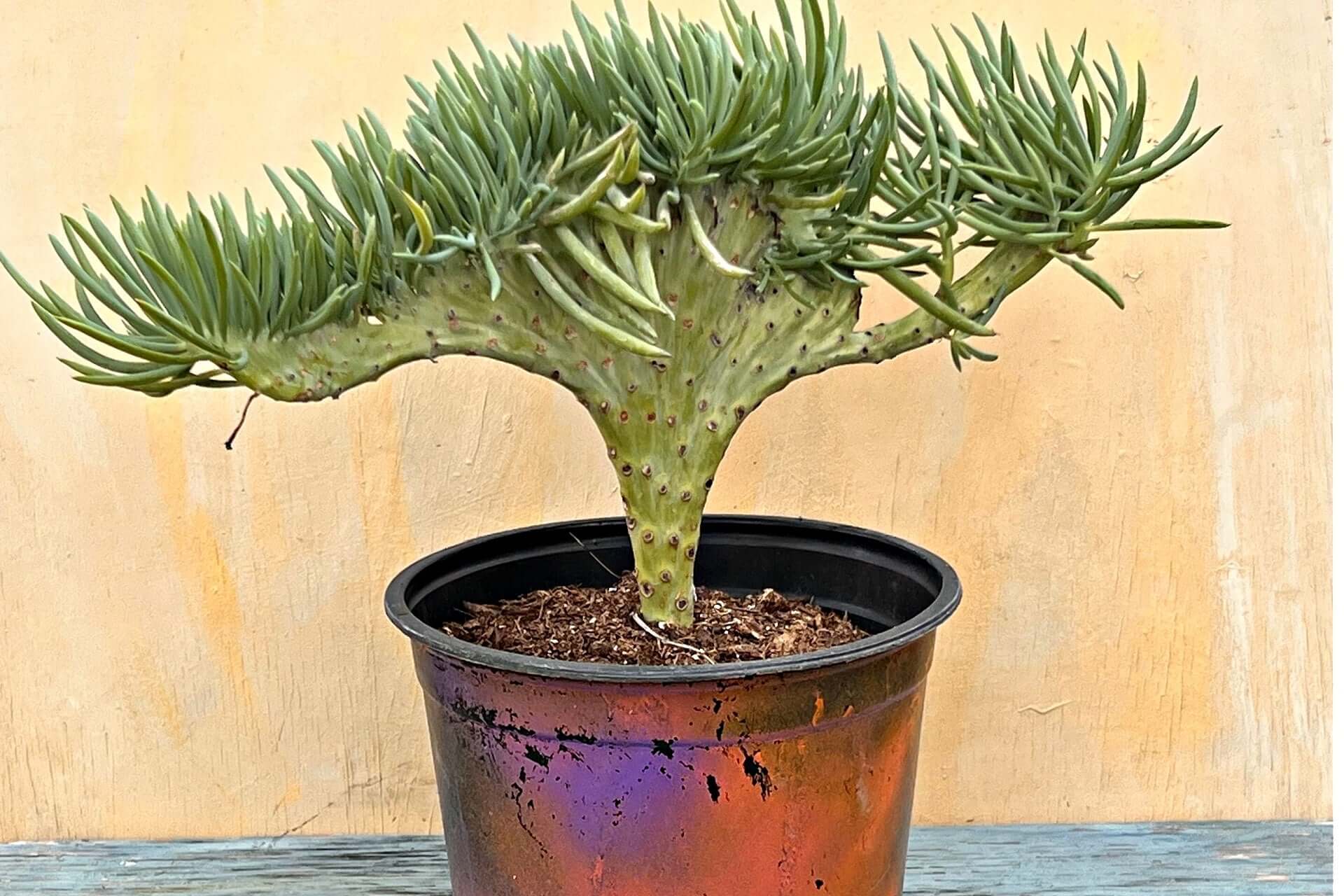
The Mermaid Plant's leaves curl and ripple like a fin, which makes it a favorite among gardeners. People like this mermaid succulent plant because it looks like a sculpture, is easy to care for and can survive long periods of time without water. In this post, we'll talk about what makes the plant special, what conditions are best for it, how to care for it as a mermaid succulent plant, what other plants it can live with and how to help it grow.
What Makes the Mermaid Plant So Distinctive?
The leaves of the Mermaid Plant are shaped like fins and have a texture that catches light and draws attention. Because of their unique shape, gardeners who want to find unusual succulents often look up mermaid tail succulent plants.
These succulents adapted to grow best in sandy soils that drain well and have organic matter that helps soil organisms and microbial diversity. That environment is good for the roots and keeps the plant small and slow growing.
- Leaves that look like a tail and are sculptural
- Growth that is compact and great for containers
- Able to handle dry spells and bright light
Steps you can take:
- For the best shape, put it in bright, indirect light
- Use soil that is gritty to help roots grow strong
- To keep roots healthy, don't let them stay wet all the time
To match search intent and describe how the plants look, this section includes the phrase mermaid tail succulent plants.
Ideal Growing Conditions for Mermaid Plant Succulents
To keep a mermaid succulent plant healthy, make sure it has dry, airy conditions. These plants like warm air, bright, filtered sunlight and soil that drains quickly.
Temperature and light:
- Bright, indirect light keeps leaves bright
- Stay away from the harsh midday sun, which can burn leaves
Soil and drainage:
Use a mix of sand, perlite and compost that drains well to add organic matter and support a wide range of microbes. Good drainage keeps roots healthy during wet seasons.
Picking pots:
Choosing the best pots for succulent plants can help keep them from getting too much water and for good air flow and moisture control - terra cotta and ceramic pots with drainage holes are the best.
Steps you can take:
- Put the plant in a pot with holes for drainage
- For faster drainage, mix cactus soil with perlite
- Put it near a window that gets morning sun
This part talks about the best pots for succulents and gives useful tips on how to pot them.
How to Care for Mermaid Plants
Solid mermaid succulent plant care means paying attention to the soil, light and watering it only when necessary. These plants have thick leaves that hold water, so you don't have to water them all the time.
Watering schedule: Only water when the soil feels dry. During active growth, water every 2–3 weeks, depending on the weather.
Soil and feeding:
- Use a gritty, well balanced soil with compost added to add organic matter
- A light fertilizer in the spring helps the plant grow slowly without pushing out weak, fast growing shoots
Placement and light:
- Bright, indirect sunlight is best
- Rotate the pot once a month for even growth
Steps you can take:
- Before watering, check the soil moisture with your finger
- Every two to three years, repot in a new gritty mix. In the winter, water less to help the plant sleep
This part has three sections on how to care for mermaid succulent plants to match your SEO counts.
Best Companion Plants for the Mermaid Plant
When you put Mermaid Plant with other plants that like the sun, they look great together. To balance out the texture and color a lot of gardeners plant native mermaid plants and other low water plants together.
Good friends:
- Perennials that can handle drought and need the same soil and light
- Flowering picks that bring in pollinators without watering too much
Suggestions from TN Nursery:
-
Evening Primrose for soft blooms and contrast
- Blanket Flower for bright color and attracting pollinators
Things you can do:
- Put plants that need the same amount of water together
- Put taller plants behind the Mermaid Plant so they can see it
- Use gravel mulch to keep the surface dry
This part has native mermaid plants in it and helps people come up with plant pairings.
Benefits of Mermaid Plants to Your Garden or Home
The Mermaid Plant is interesting to look at and doesn't need much care. It helps the soil stay healthy and adds to the diversity of plants in containers when mixed with compost and other organic matter.
Main Advantages:
- Focus on low maintenance for busy gardeners
- Compact design that fits in small spaces
- Works well indoors and in outdoor displays that can handle the sun
Why gardeners pick them:
- Unique shape for dramatic styling
- Easy to mix with flowering companions for displays of color and texture that are always changing
Steps you can take:
- Use the Mermaid Plant as the main plant in a mixed succulent planter
- Put it together with other plants that don't need a lot of water to make a unified look
This part talks about the plant's decorative and useful benefits again and uses one last mention of the Mermaid Plant.
In conclusion
The Mermaid Plant is a unique succulent that doesn't need much care and adds shape to any garden or container. Try it with Evening Primrose or Blanket Flower for a beautiful display that will attract pollinators.
FAQs
Is mermaid tail succulent real?
Yes. Mermaid tail succulent plants are a group of plants that have leaves that appear like tails. They grow in dry places and in gardens.
Where can I buy a Mermaid Plant Succulent?
You can buy Mermaid Plant specimens from specialty nurseries like TN Nursery, which also sells companion plants.
Why are mermaid tails so expensive?
Blanket Flower
Their strange shape with slow growth and high demand from collectors can drive up prices and make some types hard to find.
What is the rarest succulent plant?
Rarity varies by species and area. Some types of mermaid succulents are rare because they only grow in certain areas.
Is the Mermaid Plant easy to care for?
Yes. To keep your basic mermaid succulent plant healthy, give it bright light, soil that drains well and only water it a little bit.
What soil is best for Mermaid Plant Succulents?
Perennials
For organic matter and to help soil organisms and roots stay healthy, use a gritty, well raining mix with compost.
Mermaid Plant

