
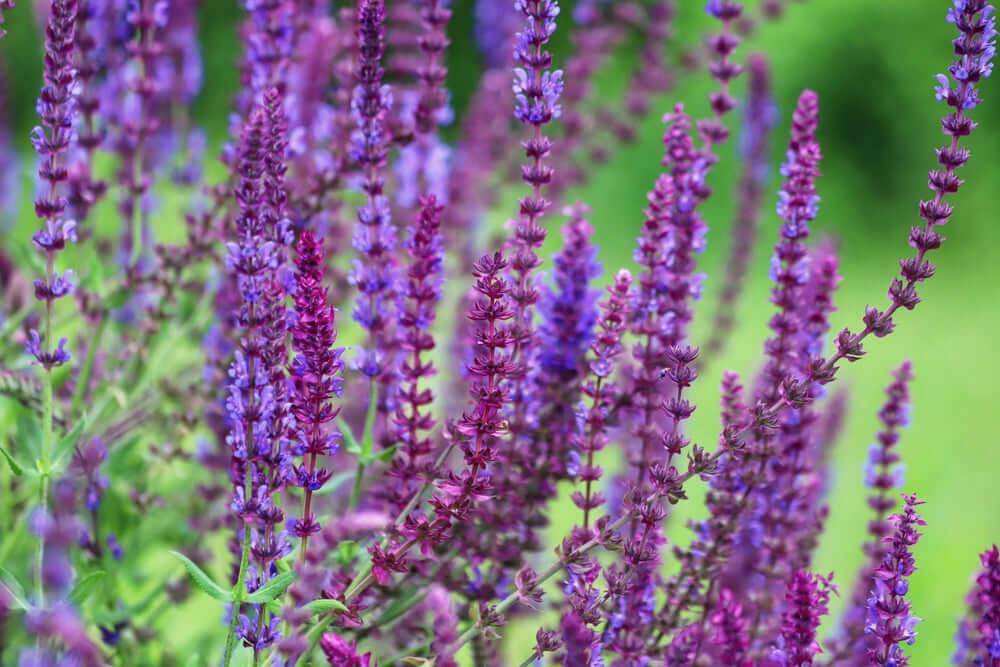
Everyone who gardens wants to have a yard that stays bright all year. Longest blooming perennials provide year round color and beauty, while many flowers only bloom for a short period of time. These plants are both tough and pretty and their blooms seem to never end, which is great for farmers.
The best long blooming perennials for every climate are our specialty at TN Nursery. These hardy bloomers will keep your outdoor space bright all summer, whether your garden does best in full sun or some shade.

Top Varieties for Extended Bloom Time
When choosing perennials that bloom all summer, it's best to pick types that are known for being hardy and able to do well in a range of circumstances. Here are some of our favorites that you can find at TN Nursery.
1. Maximilian Flower Sunflower
One of the most beautiful, long blooming summer perennials is the Maximilian Sunflower. It blooms from late summer until well into fall and is known for its tall stems and bright yellow leaves. This plant does well in full sun and makes yard borders taller, more interesting and warmer.
What gardeners love about it:
- Can handle drought and is easy to care for
- Brings in butterflies and bees
- Great for native areas or wildlife gardens
2. Irises with a blue flag
The Blue Flag Iris is a classic annual plant that has beautiful blue purple flowers. Plus, it does best near ponds or wet soil, but it can also grow in garden beds as long as they get enough water. Gardeners looking for the longest blooming perennials for pots or water features should definitely consider it.
Pros:
- It blooms from spring to early summer
- It adds height and color contrast
- It's great for wetland gardening and containers
3. Water Lily
The Water Lily is a great example of a summer annual that blooms for a long time. The soft flowers and leaves that float on the water make a peaceful water garden atmosphere that lasts for months.
What makes it stand out:
- Always blooms in the summer
- Makes pond ecosystems better
- Easy to take care of once set up
How to Plant Position These Perennials for Maximum Flowering
Planting and positioning your best long blooming perennials correctly is crucial for getting the most out of them. The right spot gives the plant the most sunshine and encourages steady flower production.
Tips for Planting:
- Sunshine - The majority of full sun long blooming perennials require at least six hours of direct sunshine every day
- Soil - Use organic fertilizer mixed into soil that is rich in nutrients and drains well
- Spacing - Make sure there is enough space for air to flow to keep diseases away and let roots grow
Pick wide pots with drainage holes if you are working with containers and make sure to water them often. The majority of the longest blooming perennials for pots, such as dwarf sunflowers and irises, are simple to grow in containers.
Tip: For even soil warmth and water retention, place mulch around the base of each plant. Plants don't get stressed out during the hottest part of summer this way, so they develop longer stems.
Maintenance Tips to Keep Blooms Going Longer
To make flowers last longer, you need to give them regular care. Even the best full sun long blooming perennials require a little assistance to maintain their performance throughout the year.
Steps for Realistic Maintenance:
- Regularly remove the dead flowers to make room for new buds.
- Use a balanced slow release fertilizer once a month.
- To improve roots, water deeply instead of often.
- Lightly cut back the leaves in the middle of the growing season to encourage new growth.
Routine for Seasonal Care
Add compost or organic fertilizer to your plants' soil early in the spring to help them grow faster. Keep an eye out for pests and diseases during the summer. Cut off any dead stems at the end of the season and cover the roots with mulch before the cold.
Perennials like Maximilian Sunflower and Blue Flag Iris can keep blooming for years if you take good care of them. This will keep your garden looking alive and attractive.
Benefits of Choosing Long Blooming Perennials
Incorporating the longest blooming perennials into your garden isn't just for looks. These plants give your environment structure, variety and strength.
Important Pros:
- Long Lasting Beauty: Color that stays the same from spring to fall
- Low Maintenance: They don't need to be replanted as often as annuals do
- Pollinator Friendly: Birds, bees and butterflies like it
- Versatility: It grows well in fields, along borders and in pots
Many long blooming summer perennials can withstand drought, making them an eco friendly option for gardening that want to last. They use fewer resources and look more beautiful than any other option.
Design Ideas Using Long Blooming Perennials
By mixing different plants, you can make a display that looks good all season. Try these simple combinations:
- Sunny Borders: Maximilian Sunflower, black eyed Susan and coreopsis should all be mixed together to make Sunny Borders
- Water Gardens: For water gardens, mix Blue Flag Iris and Water Lily to add color and structure
- Container Gardens: For pots, use dwarf varieties of the longest blooming perennials, such as daylilies or coneflowers
Putting plants in layers based on their height and when they bloom makes sure that there is a steady flow of color and interest all through the growth season.
FAQs
What are the best long blooming perennials for a garden?
Maximilian Sunflower, Blue Flag Iris and coneflowers are all popular picks. These plants bloom for long periods of time and do well in a variety of situations.
What flower stays in bloom all year?
Some plants, like geraniums and salvias, can flower all year, but not many. Just make sure they get enough water and light.
Is there a perennial that blooms all summer?
Yes, coreopsis, black eyed Susan and catmint are all perennials that bloom all summer and are known for their long lasting beauty.
Do annuals bloom longer than perennials?
Annuals usually bloom all season long, but perennials come back every year and can flower for a long time if you take good care of them.
Can long blooming perennials work in both sun and shade?
Yes. Many types of plants do better in full sun, but hostas and astilbes do really well in shade.


