
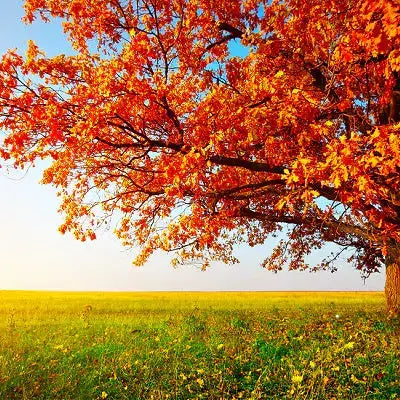
Understanding Autumn's Vibrant Leaf Transformation
With the end of summer and the beginning of fall comes the beauty of the changing colors of the trees․ One of the most beautiful things about the fall is the change in colors of the leaves․ As the red maples‚ the bright yellows of the birch trees‚ and other colors begin to show‚ what is causing this change in color? Let's first explore how trees change color in autumn․ To understand why trees change color‚ we need to get a little deeper into the chemistry of leaf tissue and pigments and how they relate to the life of the leaf․ Understanding how and why leaves change color is a relevant topic in understanding the seasonal change‚ especially in the relationship between organisms and their environment․
The reason that leaves change colors in the autumn has to do with a series of chemical transformations․ In summer‚ the leaf is a factory that uses sunlight to make the food energy for the tree․ Much of this process depends on chlorophyll‚ the pigment that makes the leaves green in summertime․ In autumn‚ as the days shorten‚ the trees start to prepare for dormancy․ This preparation starts a chemical reaction that breaks down chlorophyll․ With less chlorophyll in place‚ the other pigments of these trees emerge from behind the green surface of the chlorophyll‚ resulting in the kaleidoscope of colors seen in fall․
Chlorophyll Plays a Role in Color Change for Leaves
Degradation of chlorophyll is not the only factor that plays a role in the process‚ as the availability of water has an effect on leaf coloration․ On a summer day‚ sufficient water is available for trees‚ and trees reach peak growth and maximum rate of chlorophyll production․ On the other hand‚ short daylengths‚ and cooler weather can reduce water availability for many trees․ This stress can lead to a greater breakdown in the chlorophyll in the leaves․ In dry years‚ the pigments that produce yellow and orange colors in the leaves predominate‚ and the trees have a different color palette․ However‚ trees with ample water supplies during the fall may maintain higher levels of chlorophyll than those with scarce supplies‚ producing more delayed color change․
Tree species vary in both timing and chemical reason for color change․ A famous example is maples‚ which produce brilliant red colors in autumn․ The reason is that maples contain a class of pigments called anthocyanins that can be opened up to produce brilliant colors when the green chlorophyll is absent․ Some oaks have muted autumn leaves that appear brown or russet due to the presence of tannins․ The yellow colors of birches and aspens are due to carotenoids present in the leaves‚ but masked by chlorophyll‚ which breaks down during autumn‚ allowing the yellow carotenoids to be seen․ In order to predict the variety of colors to be seen in a given landscape in autumn‚ it is necessary to know which trees grow there․
Why Season Changes Affect the Color of Leaves
Fall foliage is often simplified to a description of green leaves transitioning to various shades of red‚ orange‚ and yellow․ In reality‚ other pigments such as carotenoids and anthocyanins are also present in leaves‚ and the leaf color in fall for a particular tree will differ due to environmental conditions․ The yellow and orange of carotenoids are present all year‚ but masked by other colors when leaves are not subject to the stress of autumn․ Anthocyanins are not present all year․ They are formed in the autumn when the tree is under stress and conditions are changing․ These colorful variations‚ even with very simple base leaf colors‚ are a clear warning of how many pigments vie for attention․
In conclusion‚ the different colors that the leaves have in autumn are the result of chemical and environmental factors․ The decrease of chlorophyll and the variation of water throughout the seasons establish particular rules that vary with the species and are determined by the biological rhythm of each tree․ The colors of fall are a celebration of the trees in our forests and neighborhoods and the pigments they contain․ They produce colored pigments‚ which change in appearance depending on the light and the location where they grow․ We still marvel at the colors of the leaves at our road side and in the woods․ We still learn tree biology and‚ by proxy‚ about nature․ Each leaf of each tree seen in its full fall colors mirrors the transition from the bright moments in our existence and the beauty of the seasons․


