
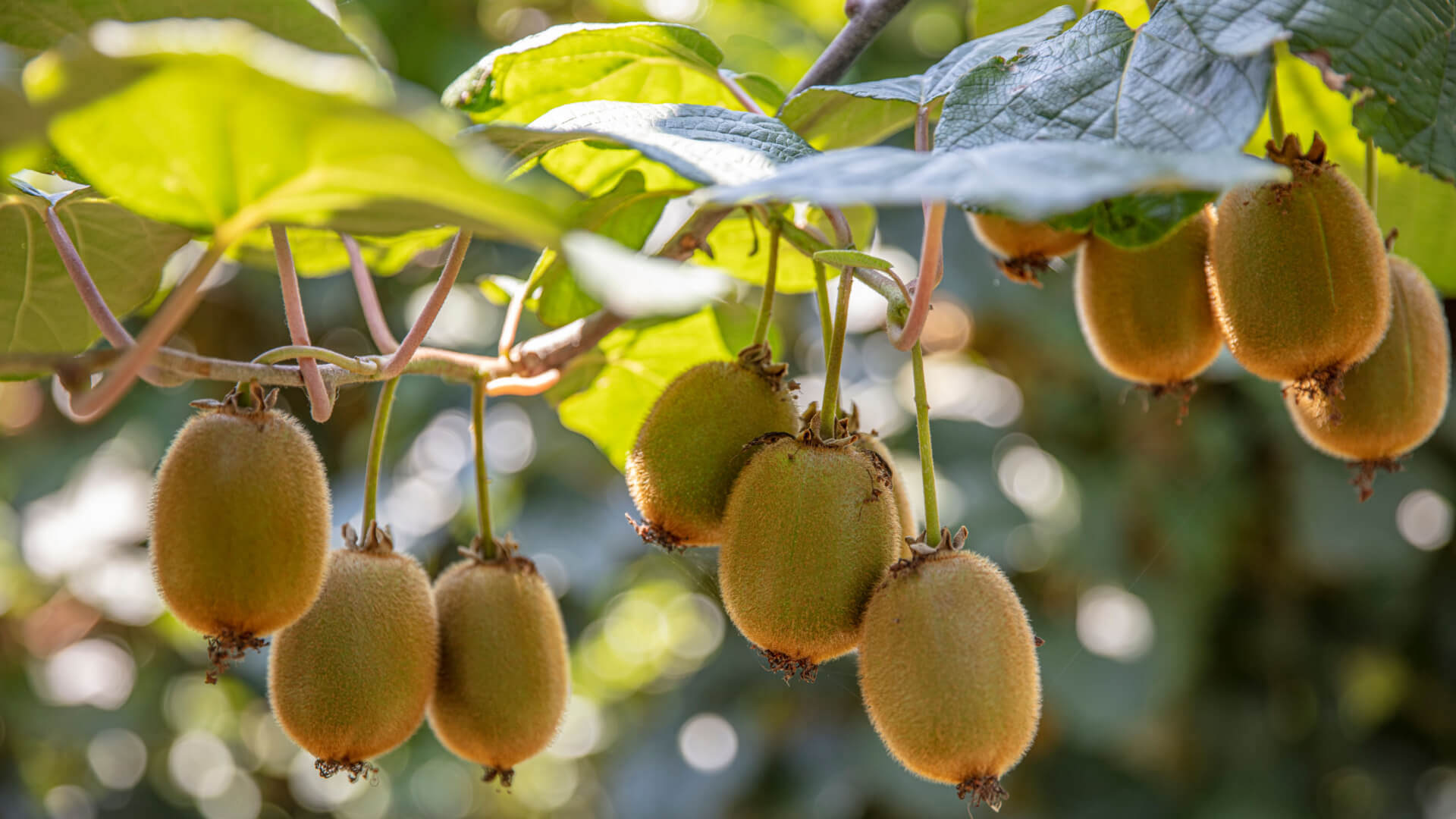
Kiwi: A Surprisingly Versatile Fruit You Can Grow in Tennessee
Although there are hardy cultivars grown in Tennessee‚ the kiwis you will find in your local grocery store are more likely from New Zealand or California‚ and there is much more to the kiwi․ If your only experience with kiwi has been a wedge on the fruit plate‚ consider growing kiwi and adding it to your repertoire․
Can You Grow Kiwi in Tennessee?
Yes‚ but only certain kinds․ For example‚ the fuzzed kiwi found in stores (Actinidia deliciosa) cannot grow in the milder climate of Tennessee․ Despite the fact the plant can survive in USDA Hardiness Zones 8 and 9‚ hardy kiwi (Actinidia arguta) and Arctic kiwi (Actinidia kolomikta) are more suitable for home growing in Tennessee‚ as the state is predominantly classified as USDA Hardiness Zones 6b to 7b․
The fruit is about the size of a large grape‚ round‚ with smooth‚ edible skin and juicy pulp․ Its taste is said to be sweet with a little tartness‚ similar to that of the common fuzzy kiwifruit‚ or‚ depending on the author‚ even closer to that of a large grape․ The vines are hardy enough to survive the temperatures as low as -25 degrees Fahrenheit and are usually at the northern edge of their range․ The vines grow through the cold nights of the Tennessee winter in the Cumberland Plateau/East Tennessee mountains at high elevation․
The hardy kiwi grows best in full sun in well-drained moderately acid soil (pH 5․0 to 6․5; pH 5․0 to 6․0 is best) and should be set out in spring‚ after frost․ It is a vigorous vine and should be provided with a permanent support structure‚ such as a trellis‚ arbor‚ or fence line․ In good growing conditions‚ the established plant can produce 15 to 20 feet (5-6 m) of new growth per year․ Space kiwi grow with 20 to 30 feet (6 to 9 m) between each vine․ It is dioecious‚ with up to eight female plants pollinated by a single male․
These vines may not produce fruit in the first year‚ and might not settle in for two or three years․ The vine produces no fruit until the fourth or fifth year․ After this‚ the canes can produce 50 to 100 pounds (23 to 45 kg) of fruit for each year the vines are established‚ easily compensating for the trouble of growing these vines․ In the southeast United States‚ TN Nursery has seeds and hardy kiwi vines․ They grow much more quickly than those that are seed-grown․
Care Through the Seasons
Refreshed vines are irrigated weekly for the two summers after planting (or 2․5 cm (1 in) of rain/week)․ After this they are drought resistant with watering during set and during late summer when the fruit is at its full size․
Kiwi vines need more pruning than other fruits․ They are pruned while dormant in late winter to the equivalent of one third of last year's growth․ This leaves six to eight buds on each fruiting cane․ Otherwise‚ the vine is productionless‚ just a bunch of green leaves without developing any production․
Additionally‚ a few inches of straw mulch or bark mulch can be used‚ if left clear of the stem which can cause the stem to rot․ A mild all-purpose fertilizer can be added in spring and when the fruit has set․
Culinary Uses: From the Vine to the Table
Once you begin to harvest your crop of kiwi (in most of the greenhouse-hardy species this will be late September or October) you will see the kiwi's versatility․
Kiwi is normally eaten raw‚ whole or sliced‚ or included in fruit salad‚ parfait‚ or drink․ It can be prepared as a smoothie by blending the fruit with some spinach and honey․ The kiwifruit's acid can contrast well with rich‚ fatty flavors in savory dishes․ For example‚ a kiwi salsa can be whipped up in 10 minutes and used as a dressing on grilled fish and chicken․
Kiwi is also used as a meat tenderizer․ The proteolytic enzyme actinidin in the fruit breaks down protein molecules․ Kiwi is sometimes rubbed on the meat‚ or the meat is marinated in a mash of kiwi before grilling in order to tenderize it․ Let it stand no longer than 20-30 min‚ or the meat becomes 'mushier' because the enzymes are breaking down the tissue in addition to the collagen․
Less common are muffin batter with cubes of kiwi‚ pie or tart topped with chopped kiwi mixed in with other fruit (kiwi is often served with other fruits such as berries or citrus)‚ and kiwi sorbet‚ a 15-minute active time dessert made by pureeing ripe kiwi with sugar and lime juice and freezing the puree․
Kiwi can be made into a jam or chutney that keeps for months․ In the winter kiwi chutney‚ made with ginger‚ vinegar and a pinch of chili‚ is served with cheese‚ and sometimes with roasted meat․
The Benefits of Kiwi Fruit
The small-sized hardy kiwi has a vitamin C content that is several times higher than the same weight and volume of the orange․ Kiwifruit are also high in vitamin K‚ and are a good source of potassium and dietary fiber․ Kiwifruit also contains fiber and potassium‚ which may have benefits for the cardiovascular system․ Kiwifruit intake has been associated with a decrease in blood pressure‚ possibly due to higher potassium intake lowering sodium and blood pressure․
Generally the fiber in the kiwi will also help in digestion like all fruits․ Although the fiber will help in the digestion process‚ the enzyme actinidin‚ as we now know‚ found in the kiwi‚ helps considerably in the stomach by the digestion of proteins․ This is why some people use the kiwi after a heavy meal․
Getting Started
If you want kiwi vines in the home landscape in the southeast‚ hardy kiwi and Arctic kiwi are a better choice than the fuzzy supermarket kiwis․ TN Nursery offers hardy kiwi vines that are much more established than the products offered by most other sellers․ It will save you a year or two of slow growth as seedlings and spindly saplings․
So give them the right care and a bit of time‚ and you will end up with a productive‚ cold-hardy fruit vine that produces one of the more versatile fruits you can grow at home․


