
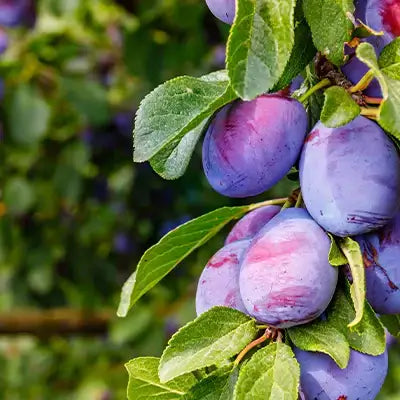
Fruiting Plum Trees: A Complete Guide to Growing Your Own Sweet Harvest
If you plant a fruiting plum in the ground in early spring or in the fall of the year‚ your first good crop will probably be ready for the picking in three or four years․ Plums are easier than apples or peaches․ Plums are one of the easiest fruit trees to grow‚ flourishing in USDA zones 6-8 as well as on clay soil and in humid summer weather‚ better than more coddled stone fruits such as apricots․
That said‚ simple to succeed is not the same as don't worry about it․ Get a few basics in place, and you will be harvesting buckets of fruit for 15-20 years․
Choosing a Plum Variety for Tennessee
Not all plums will do well in the Southeast‚ but these plums are said to thrive here․
The variety of plum that is probably the single best choice for beginners in the state of Tennessee is Methley‚ which is self-fertile (more on that below)‚ ripens in early June, and is disease-resistant in our humid summers․
Santa Rosa Plum's large‚ juicy fruit is sweet-tart‚ of high quality‚ and the tree is self-sterile‚ so it needs another variety for reliable fruiting․
The Damson Plum is the old school: a small‚ tart plum perfect for jams and preserves‚ long since proven here in the South‚ and the trees have been grown here for generations․
Native Sandhill Plum is even better adapted to poor dry soils than any of the above‚ and is a better choice if you don't have an ideal planting site․
Other good cultivars with slightly different harvest times include Peaches and Cream Plum and Doris Plum‚ which can be ripened at different times throughout the summer․
Do You Need Two Trees to Get Fruit?
This is the question that trips up most first-time growers‚ and it's one that's not always obvious in articles about growing plums‚ but many‚ if not most‚ types of plum trees are not self-fertile and will not produce fruit unless paired․ The Santa Rosa needs another type of tree nearby‚ within 50 feet‚ for cross-pollination․
Though Methley (like most of the European-type plums) is self-fertile and will set fruit on its own‚ typically more fruit will result if two or more compatible trees are planted in the same vicinity to provide pollination for each other․ If you're planning to plant only one tree‚ check the pollination requirements of the particular variety you want to buy․
Planting: timing and site conditions
In Tennessee‚ plant during dormancy in late winter to early spring‚ or in fall if the tree can be planted at least 6 weeks before the first hard freeze․
Site selection matters more than most people realize:
- Full sun․ Six to eight hours minimum is non-negotiable if you want luscious fruit instead of lush leaves․ - Well-drained soil․ Plums tolerate our clay better than peaches do‚ but standing water will still rot the roots․ If your yard floods in the rain‚ consider planting your garden on a mound․ - Air circulation․ Avoid areas where cold air pools during spring․ The number one reason a plum will not bear in any given year is a late frost after bloom․ - Spacing․ Space standard trees 15-20 feet (4․6-6․1 m) apart‚ and dwarfs 8-10 feet (2․4-3․0 m) apart․
Dig a hole that is wider than the original root ball, but no deeper․ One of the most common planting problems is planting trees too deep․ For most tree plantings‚ the graft union (the swollen region right near the bottom of a tree) should be above the soil surface by a couple of inches․
Ongoing Care: What Actually Matters
Water: Newly planted trees need an inch (2․5 cm) of water each week for their first two years․ Tennessee trees require more water during the hottest months of drought from August․ Although established trees are drought-tolerant‚ watering during the six weeks prior to harvest can improve fruit quality․
Fertilizer: A light amount of balanced fertilizer should be applied in early spring‚ as a tree is breaking dormancy․ Too much nitrogen fertilizer results in excess leaves‚ fewer fruits, and increased aphid susceptibility․
Pruning: This is where a lot of home growers underperform․ Plum trees need to be pruned every winter when dormant‚ to open up the center of the tree (called an open-vase shape)‚ so that sun can reach into the inner branches․ If not pruned for a couple of years‚ the branches will crisscross‚ the base will grow suckers‚ and the dead wood will create a shaded interior‚ in which fruit will only form on the exterior branches․
Thinning: In the year of heavy fruit set‚ the fruit should be thinned to 4-6 inches apart on each branch․ Though counterintuitive‚ this helps prevent branches from breaking‚ and it leads to sweeter‚ larger fruit on the remaining plums․
Pest and disease alert: Southeast black knot disease can cause branches to swell and blacken․ Prune out these dark growths immediately‚ cutting several inches into healthy tissue․ Plum curculio is a small weevil that can scar small developing fruits․ Spraying dormant oil or insecticidal soap late in the winter can reduce this risk․
When and how to harvest
Once harvested‚ plums do not ripen much, and when at the proper stage of ripening‚ a ripe plum will yield slightly to even a very gentle touch and separate itself readily from the branch with a gentle twist․ Color is also a fair indicator as to the plum's ripeness, depending on the variety․ The best way to determine pickability ‚ then‚ is to taste-test a few․
Tennessee plum varieties are typically harvested from late June through early August‚ with early ripening varieties such as Methley being harvested earlier․
Why Grow Plums at All? The Real Payoff
Plums have many benefits beyond the pleasure of picking fruit from your own tree and eating it at its freshest; they are high in dietary fiber‚ polyphenolic compounds‚ and potassium‚ and they can help build bone density and regulate digestion‚ all with few calories․
They're also very versatile as food‚ able to be eaten fresh‚ dried into prunes‚ boiled down into jam (plums are also convenient in that they contain a large amount of natural pectin)‚ and canned whole for winter food․ Many mature trees have more fruit than a family can eat fresh‚ and that's half the fun of growing them in the first place․
Ultimately‚ because TN Nursery is growing every species to thrive in the Southeast‚ what you're planting has already been suited to our soil and climate rather than imported from regions with an entirely different set of growing circumstances․ With companion plantings like Rose Mallow or Hibiscus along a fenceline‚ a plum tree or two can anchor a genuinely productive backyard orchard without demanding constant attention․
If you plant one this year‚ prune it every winter‚ and let it grow for three years‚ you will find it a sweet fruiting tree for decades‚ which asks very little in return․
"

