
Selecting The Right Variety
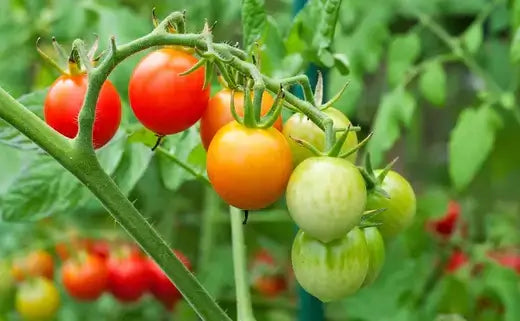
Tomatoes: The joy of growing tomatoes cannot be overstated․ Tomatoes deserve their moniker as the king of vegetables as they are easy to grow‚ versatile foods‚ and full of color․ Tomato growing is an extremely rewarding‚ and fun‚ activity to grow fruit that you can enjoy right from the garden․ This article should give you a good idea on how to grow tomatoes no matter if you are an expert or a novice․ From selecting the right varieties‚ basic practices like pruning‚ watering properly and fertilizing to achieve the perfect balance of growth and flavor‚ each step helps turn your gardening endeavor into a fruitful affair․ Let us begin this journey together‚ and discover the secrets towards a successful patch of tomatoes․
Selecting the best variety for that garden's specific situations is one of the most important steps in growing tomatoes․ There are many types of tomatoes․ Some are sweet‚ such as the snackable cherry tomato‚ while others‚ such as beefsteaks‚ are large and suitable for slicing․ Know your growing climate․ There's a difference in the best tomatoes for a hot climate and those that prefer cooler temperatures․ Indeterminate (vine tomatoes) continue to grow and produce fruit until frost‚ while determinate (bush tomatoes) grow to a compact bush and produce the same quantity of fruit regardless of the season․ Your success with gardening starts with finding the right varieties‚ ones that suit your taste‚ available space‚ and climate․
Common Errors To Avoid
As any gardener will tell you‚ gardening is about learning by doing․ Many mistakes can be avoided if the new green space at hand is to thrive‚ one of the best-documented being planting tomatoes too soon in the year‚ before cool earth has had the chance to be warmed by the sun․ Another problem is blossom end rot and cracked fruits‚ caused by over- or under-watering․ Tomatoes should be planted where they will receive full sun; in other words‚ plenty of sunshine․ They should receive at least six hours a day‚ in order to grow as well as possible․ Spend a little while looking at plants that are growing well‚ and those that are not growing so well‚ and learn from each experience about the whole process․
Timing is also important when it is time to pick the tomatoes to ensure the best flavor․ Many new tomato growers are eager to pick their first tomatoes as soon as they begin to blush‚ but they may not be giving their tomatoes enough time to ripen․ Tomatoes should be ripe with full color and slightly soft to the touch․ They will quickly over-ripen․ Fruit harvested unduly young may be too hard and not palatable․ It is a preference to harvest in the cooler hours of the morning to maintain freshness following harvest․ Twist or cut the stem off the fruit without breaking the stem to allow the plant to continue to produce more fruit․
A fertilizing schedule is essential for a good crop of tomatoes‚ since tomato plants are heavy feeders and require a wide range of nutrients supplied in large quantities for maximum growth and development․ Incorporate a balanced slow-release fertilizer into planting․ After establishment‚ applying fertilizer every few weeks through the growing season is helpful‚ phosphorus-phortified fertilizers can be helpful to flowering plants․ You can also base your fertilization on what deficiencies you can spot: yellowing leaves usually indicate a nitrogen deficiency‚ whereas poorly developed fruit may be due to a potassium deficiency․ Once farmers are able to learn about soil conditions and nutrient requirements‚ plant health and yield will increase․
Pruning Techniques For Growth
Another important aspect of growing tomatoes is knowing how to prune them to increase growth and airflow to the plant․ This is not as hard as it sounds‚ and once you get going with it‚ you will quickly learn that it is a great way of directing the plant's energy toward growing its fruit and not excessive foliage․ Suckers‚ which are the small shoots occurring between the main central stem and the stalks‚ should regularly be pinched out‚ especially in the indeterminate varieties․ Yellowing leaves should also be removed‚ and overcrowding between leaves thinned out․ Getting your hands dirty will enable you to tend to your plants‚ monitor their progress and treat any issues that may arise more quickly․
It is one of the great pleasures of gardening to grow tomatoes‚ and one of the great pleasures of eating to eat tomatoes․ Avoid mistakes‚ and time your harvest (as well as your fertilizer and your tomato-pruning) right‚ and you will also have a good experience of growing tomatoes․ Each of these steps is critical to the overall experience that provides the satisfaction of successfully enjoying the deliciousness of home-grown tomatoes․ So dig in and enjoy the learning process so that you can taste all the delicious tomatoes you'll grow in your garden and enjoy even more in your kitchen! With a little time‚ work‚ love and a touch of magic‚ your tomato plants will be healthy and fruitful for many seasons to come․


